Aivora
Aivora
Aivora
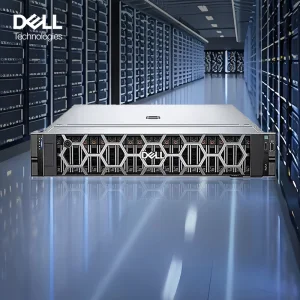
Deploy high-concurrency database queries, virtualization layers, and AI model inference architectures with our select, production-ready enterprise servers.
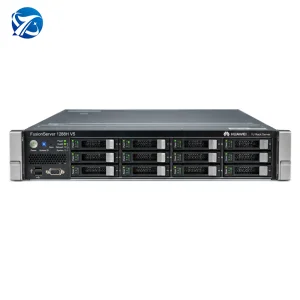
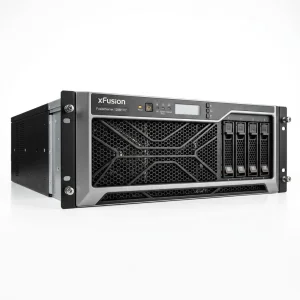
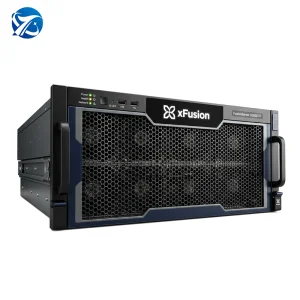
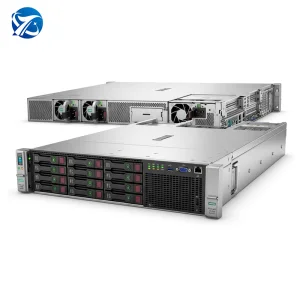
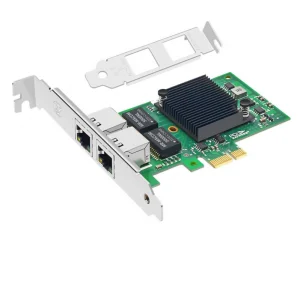
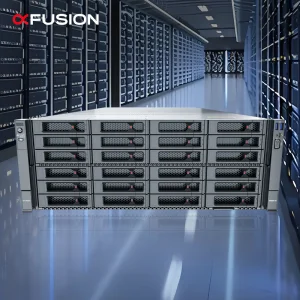
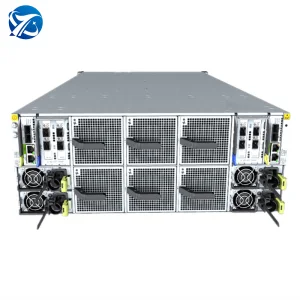
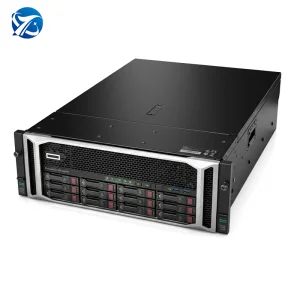
In the era of hyper-scale analytics, Business Intelligence (BI) has evolved far beyond static dashboards and historic SQL queries. Modern enterprise organizations rely on real-time data visualization, predictive analytics, natural language querying (NLQ), and AI-augmented decision support systems. These applications are highly resource-intensive, requiring robust underlying computing infrastructures capable of processing massive data lakes with sub-second latencies. As a result, the role of a premier Business Intelligence Supplier has shifted from providing generic rack servers to designing highly customized, GPU-accelerated computing nodes engineered for the most demanding software stacks.
When deploying data virtualization layers or running heavy Online Analytical Processing (OLAP) workloads, the CPU, memory architecture, and storage bus speed determine the execution time of critical analytical processes. Modern BI platforms rely on vector databases, in-memory caching layers (like Redis or Memcached), and advanced search indices. System integration with high-speed PCIe NVMe storage cards and multi-channel DDR5 ECC RAM is crucial. This makes choosing the correct hardware suppliers paramount for system integrators, CTOs, and IT directors who aim to lower the Total Cost of Ownership (TCO) while maximizing query throughput.
Accelerate dense analytical queries and simultaneous database operations using multi-socket systems designed for low memory-bus latency.
Empower your dashboards with Natural Language Processing (NLP) models. Large Language Model (LLM) query builders require massive GPU VRAM allocation.
Ensure compliance with local data sovereignty laws (e.g. GDPR, local security acts) through secure hardware configurations and encryption-ready RAID setups.
Globally, enterprise computing infrastructures are converging. Traditional data management servers are being supplemented by high-density heterogeneous acceleration cards. As organizations scale their deployments of business intelligence applications, hardware manufacturers must deliver flexible customization options. In response to these rapid changes, Aivora Technology Co., Ltd. has scaled its manufacturing and engineering efforts to support client demands across Europe, North America, Southeast Asia, and South America.
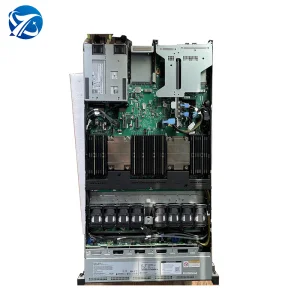
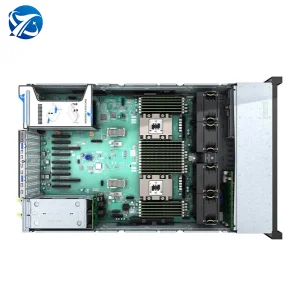
Traditional business intelligence relied solely on relational databases processing structured data via CPUs. Today, structured, semi-structured, and unstructured data streams must be processed simultaneously. Big data engines, including Apache Spark, ClickHouse, and Snowflake (when deployed on-premise), utilize GPU compute architectures to accelerate execution times. The adoption of high-density server configurations—such as 2U and 4U multi-socket servers with advanced PCIe expansions—allows businesses to perform real-time extraction, transformation, and load (ETL) pipelines directly within their data centers.
Deploying complex BI and data warehousing infrastructure requires a precise technical roadmap. From the hardware configuration of raid controllers (like the XC170-M-8i and XP270-M2 SAS3808) to selecting the processing chips (Intel Xeon Scalable 4th Gen and high-density GPU solutions), every detail must align with the target virtualization platform.
As the digital economy grows, business intelligence solutions must be tailored for specific geographical markets and strict operating parameters. In Europe and Russia, enterprise computing environments place a premium on hardware reliability, high-density cooling, and vendor support. In North America and Southeast Asia, hyperscale cloud center expansion demands rapid delivery, custom branding (OEM/ODM), and competitive pricing.
Real-time fraud detection and high-frequency risk modeling require extremely low-latency storage access. Combining high-performance NVMe caching drives with reliable RAID architectures ensures data integrity and performance.
Industrial IoT systems capture thousands of data points per second. GPU edge servers analyze sensor data on-site, providing immediate feedback loops to manufacturing control systems and dashboards.
From genome sequencing to drug discovery models, clinical database applications rely on high-capacity storage servers and multi-node compute systems that manage high read-write operations safely.
Aivora Technology Co., Ltd. is a professional AI server manufacturer dedicated to delivering high-performance GPU server solutions, AI computing infrastructure, and customized data center systems for customers worldwide. Established in 2018, the company has rapidly grown into a trusted partner for enterprises, cloud service providers, AI startups, research institutions, and system integrators seeking reliable and scalable AI computing platforms.
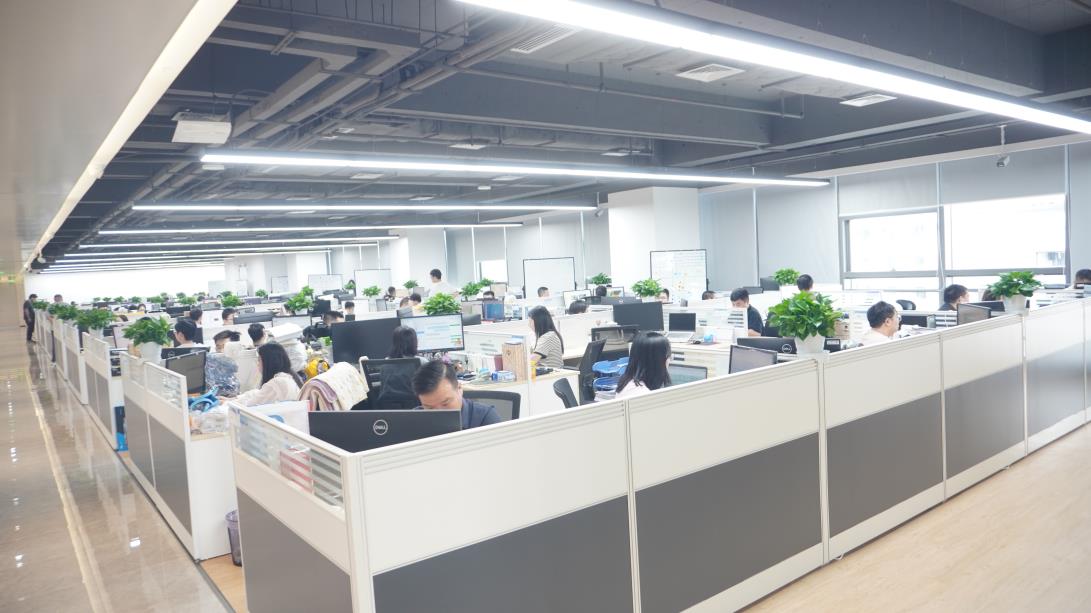
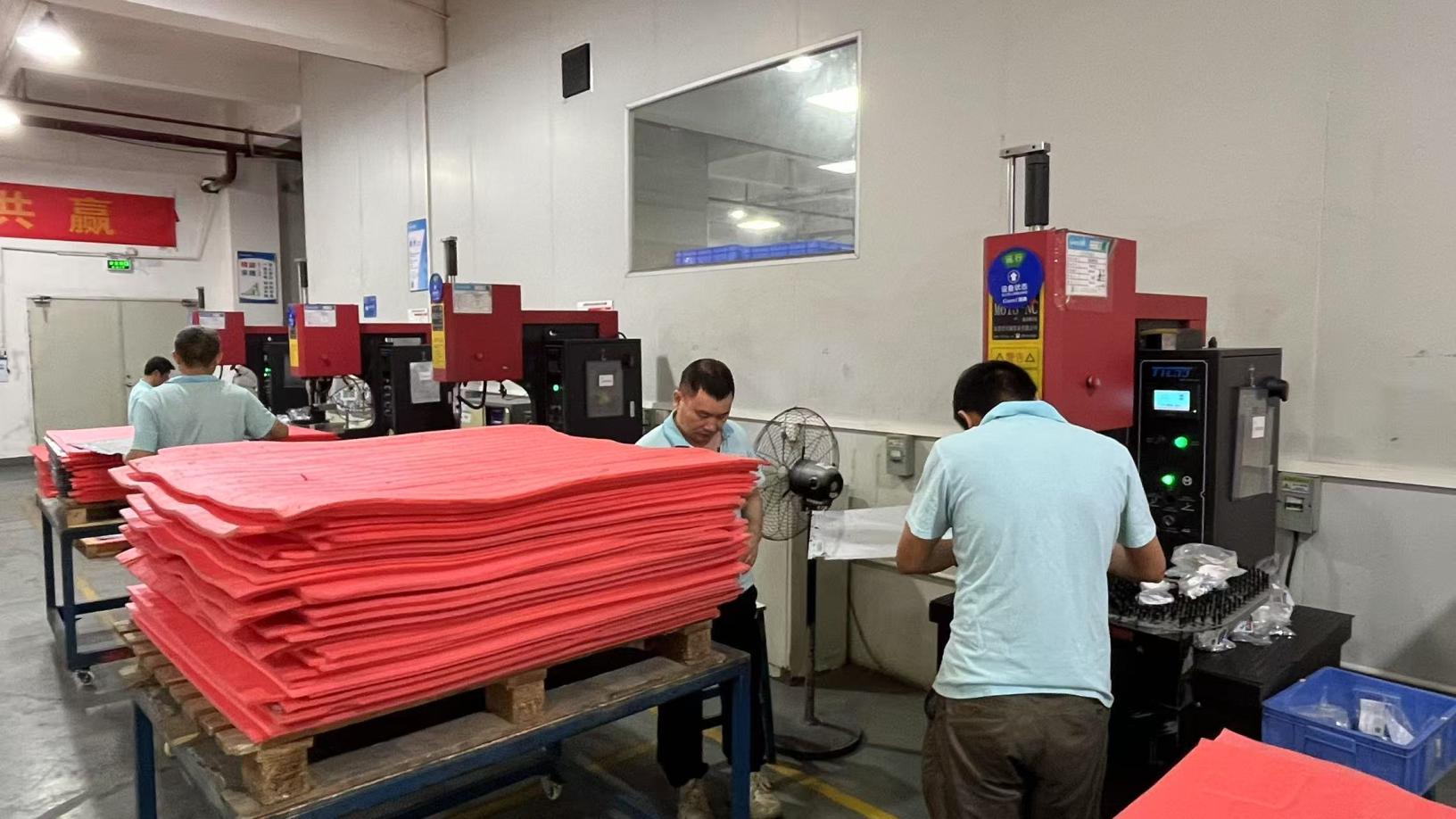
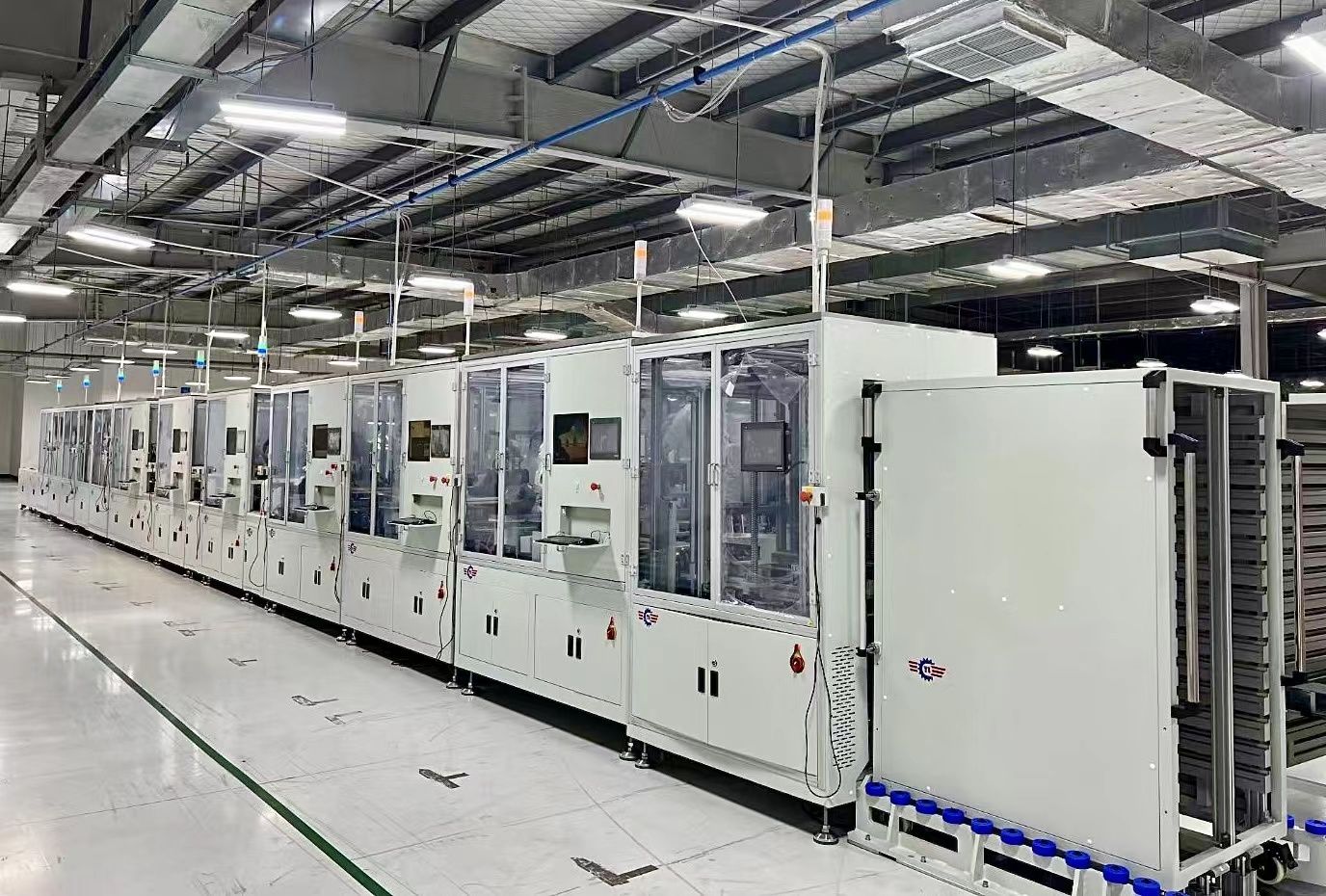
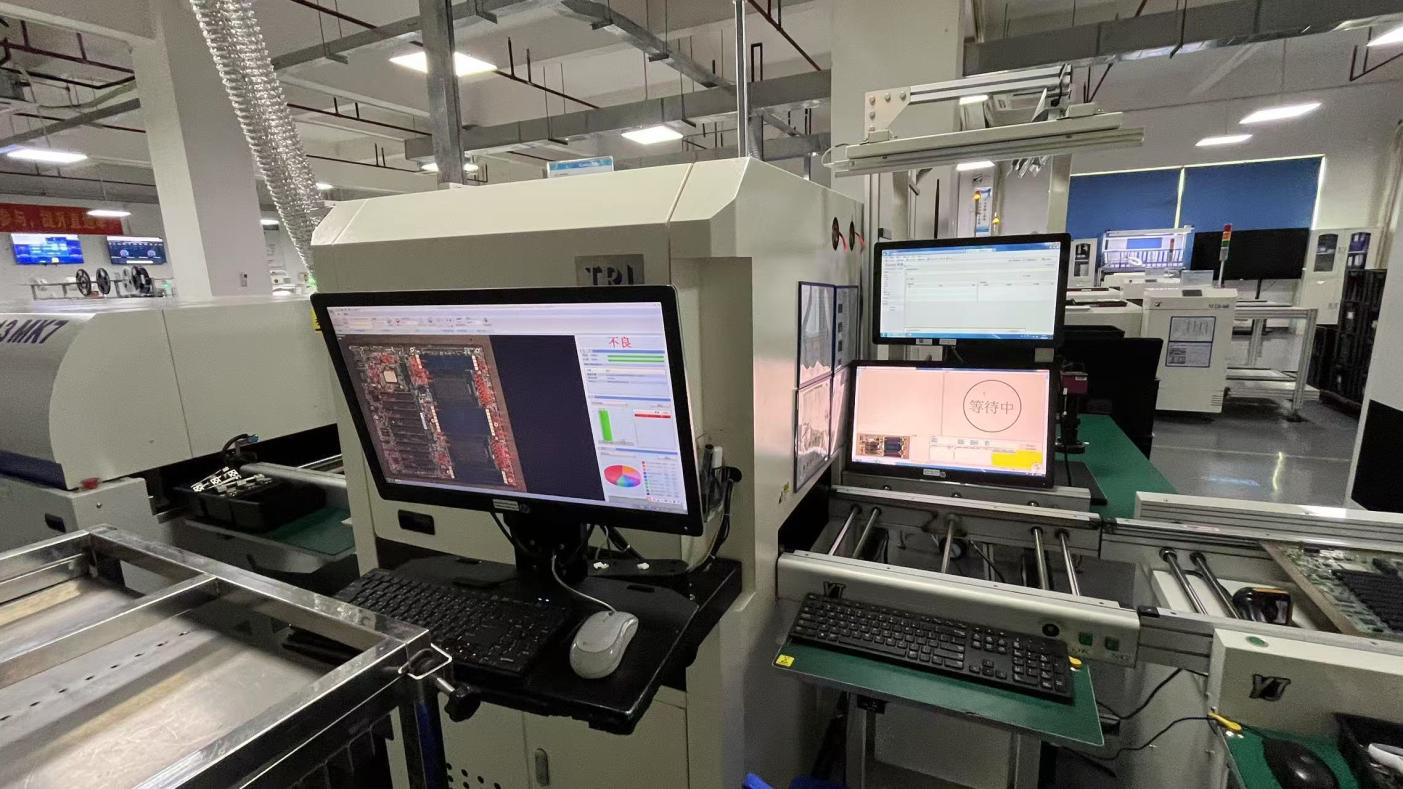
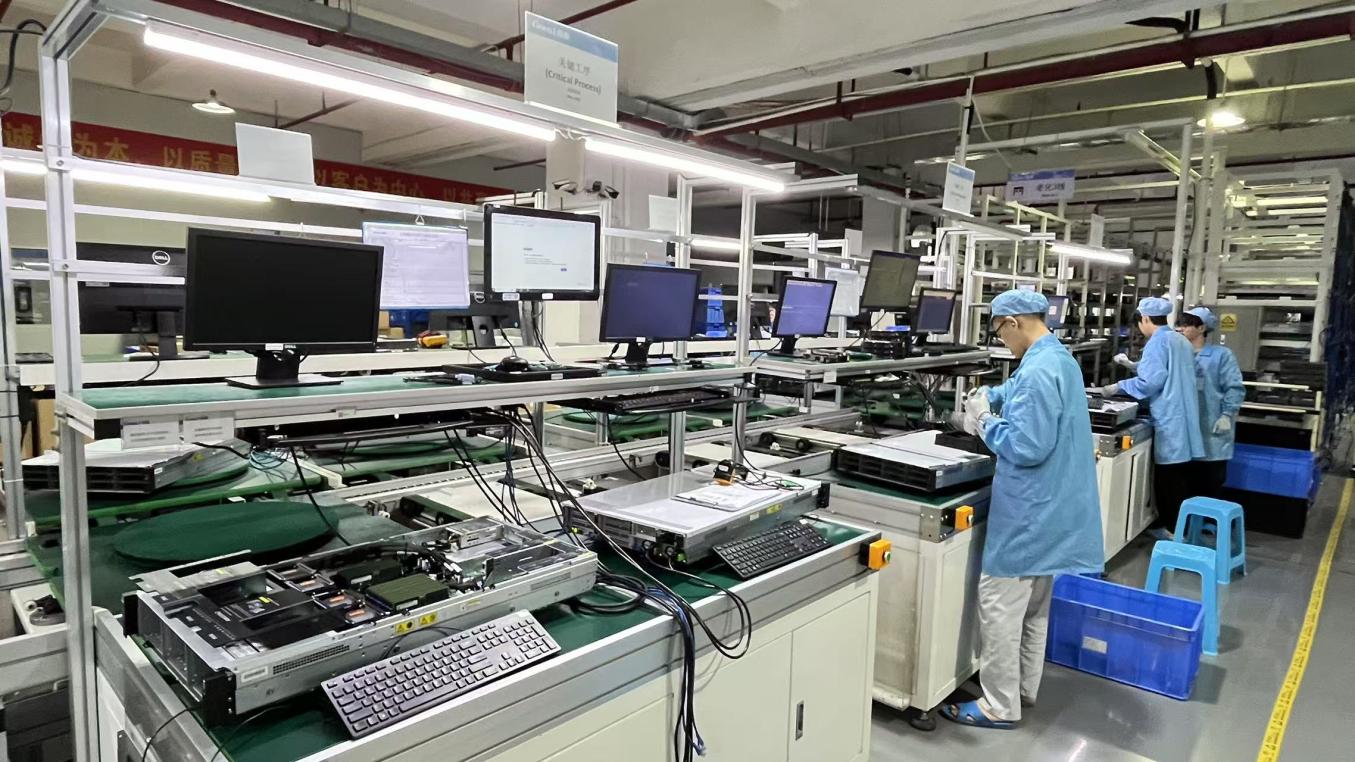
Located in Shenzhen, China, Aivora operates a modern manufacturing facility covering 386 square meters and integrates advanced production, testing, and quality management systems to ensure consistent product performance and reliability. With over 8 years of export experience and 14 years of industry expertise, we have successfully served customers across North America, Europe, Southeast Asia, the Middle East, and South America.
Our product portfolio includes AI training servers, AI inference servers, GPU workstations, edge AI servers, HPC servers, storage servers, and customized rack-level solutions. Leveraging strong R&D capabilities, we provide flexible OEM and ODM services, supporting hardware customization, chassis design, GPU configuration, branding, and system integration according to specific project requirements.
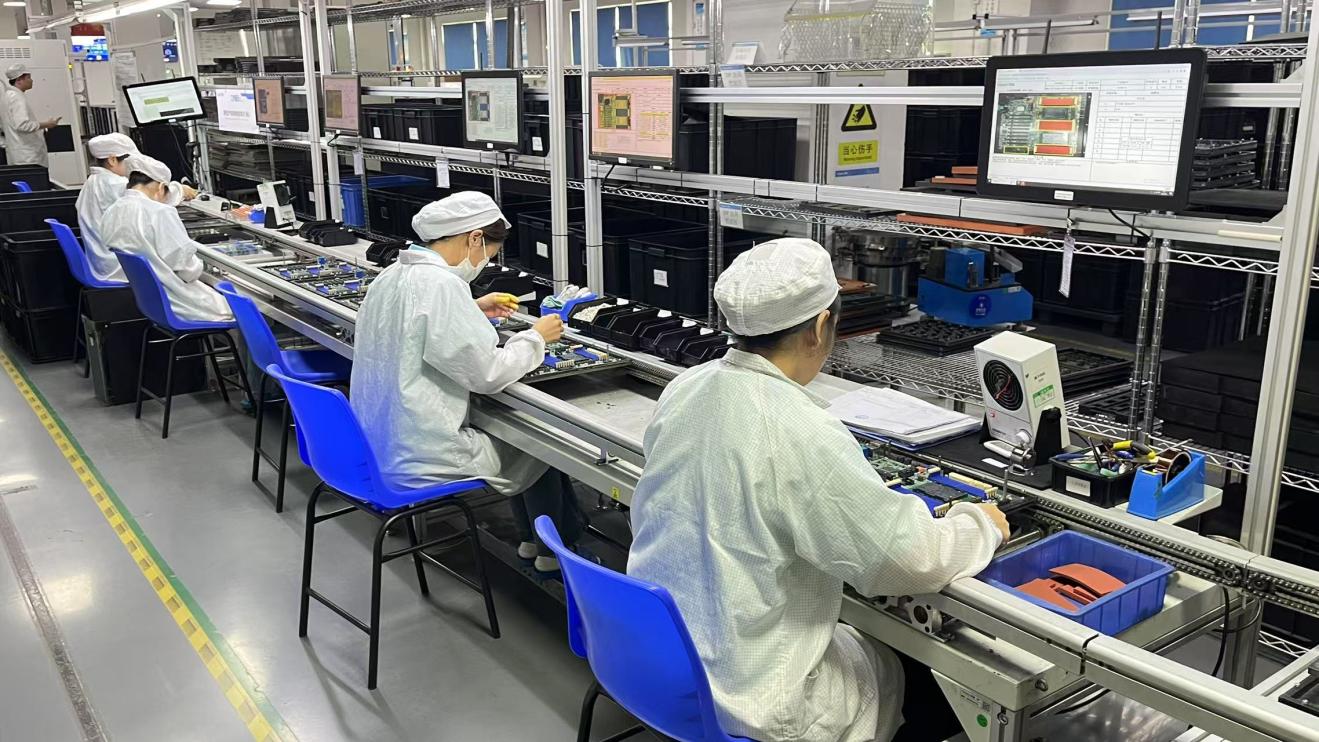
Quality is at the core of our operations. Every product undergoes comprehensive quality inspections, including component verification, system integration testing, burn-in testing, thermal performance evaluation, power consumption testing, and final functional validation before shipment. Our quality control team consists of 46 experienced inspectors who ensure every system meets international quality standards and customer specifications.
Aivora maintains close cooperation with more than 1,250 supply chain partners, enabling efficient sourcing, stable production, and rapid delivery of high-performance computing solutions. Supported by a team of 128 R&D engineers, we continuously innovate and introduce new technologies to meet the rapidly evolving demands of artificial intelligence and data-intensive applications. In the past year alone, we successfully launched 186 new products and solution variants. Our annual export revenue exceeds USD 18 million, reflecting the trust and long-term partnerships we have established with customers worldwide. By combining advanced engineering expertise, strict quality control, flexible customization options, and responsive customer support, Aivora remains committed to empowering organizations with next-generation AI computing infrastructure.
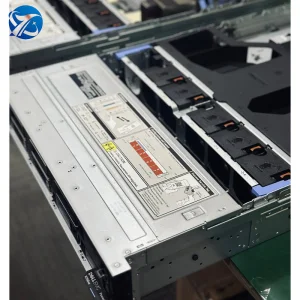
Below is an inside view of our modern Shenzhen production, assembly, and testing facility, highlighting our commitment to quality control and operational standards:

Explore answers to common questions about configuring, shipping, and managing server infrastructure for business intelligence and database systems.
Select the right compute nodes, RAID cards, and enterprise rackmount servers to complete your database and intelligence network requirements.