Aivora
Aivora
Aivora
Discover our highly efficient optical switches, flagship GPU systems, and performance-driven storage equipment.
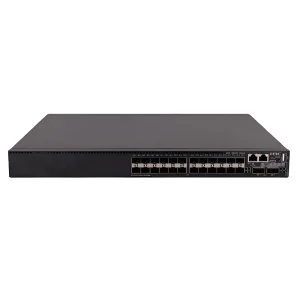
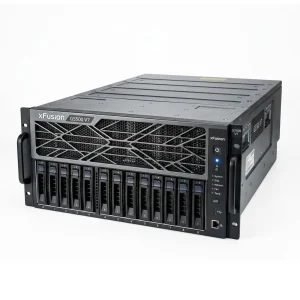

In the era of hyper-scale computing, big data processing, and large-scale AI model training, the network switch has evolved from a simple data forwarding device into the central nervous system of modern data architectures. Selecting the right network switch manufacturers and factories is no longer merely a procurement task; it is a strategic technological decision that impacts transmission speeds, service stability, latency envelopes, and long-term total cost of ownership (TCO).
As enterprise operations undergo paradigm shifts driven by massive LLMs (Large Language Models), such as Deepseek and similar neural network architectures, the demand for non-blocking line-rate switching, multi-tier optical routing, and high backplane capacities has reached unprecedented levels. High-capacity switches ensure that GPU clusters and distributed storage nodes interact seamlessly without hitting network bandwidth bottlenecks that could stall multi-million-dollar training processes.
Understanding the technological paradigm shift toward multi-gigabit speeds, low latency, and green energy architectures.
With AI workloads expanding globally, RDMA over Converged Ethernet (RoCE) is replacing legacy TCP/IP protocols. Modern switches utilize RoCE to bypass CPU cycles, reducing latency down to sub-microsecond levels, essential for high-throughput AI GPU inter-connectivity.
Transitioning from standard 10G/40G architectures, hyperscale networks are standardizing on 100G, 400G, and even 800G optical lines. Three-layer core switches with expansion slots allow scalable bandwidth adaptation for next-generation network backbones.
Decoupling control planes from data planes allows network administrators to orchestrate environments programmatically. This ensures dynamically reconfigurable routing, intelligent telemetry, auto-balancing, and simplified network maintenance operations.
Crucial parameters enterprise buyers and system integrators prioritize during large-scale network infrastructure deployment.
Deployments inside modern rack environments demand maximum port densities (e.g., 24-port, 48-port) within small form factors (1U/2U configurations). This maximizes space utilization and lowers data center footprint expenses.
Reliable operations require hot-swappable dual-redundant power supplies (AC/DC) and variable-speed fan cooling units. Energy consumption metrics must align with green standards to maintain low operating expenditures.
Enterprises often require custom ASIC configuration, modified chassis depths, tailored branding, and bespoke firmware loads. Finding a manufacturing partner with strong R&D expertise is critical for custom deployments.
Modern networking extends far beyond standalone devices. The complex convergence of servers, storage, and switching nodes requires a structured, macro-level infrastructure solution. Aivora Technology partners with industrial enterprises to deploy optimized network solutions for various scenarios:
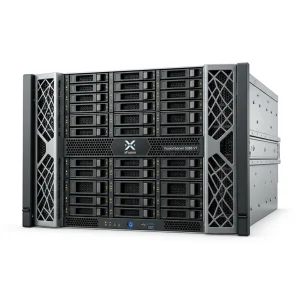
Integrating flagship GPU servers (like the xFusion G5500 V7) with L3 core switches featuring non-blocking architecture. This ensures high-throughput, low-latency inter-GPU communication over RoCE, preventing computational idle time during LLM training iterations.
Combining NAS and rack servers with multi-port optical switches. Utilizes PCIe 4.0 NVMe RAID controllers (like the 9560-8i) to achieve optimal read/write input/output operations per second (IOPS), maintaining fast data synchronization over high-speed optical pipelines.
Deploying Layer 3 managed PoE/PoE++ switch backbones that power high-density APs, security cameras, and intelligent edge equipment. Supports virtualization, VLAN partitioning, and robust ACL configurations to secure corporate intranets.
Deploying compact, ruggedized switches and 1U servers in remote operational zones. These solutions operate efficiently in wider temperature envelopes, guaranteeing continuous data transmission from localized IoT endpoints back to central cloud platforms.
Manufacturing Excellence, R&D Strength, and Strict Quality Assurance for Next-Gen Computing Infrastructure.
Established in 2018 in Shenzhen, China, Aivora Technology Co., Ltd. has rapidly emerged as a prominent manufacturer specializing in high-performance GPU servers, AI compute infrastructure, and customized network systems. Backed by founders and partners with over 14 years of industry expertise, our business operations seamlessly integrate high-level hardware design, supply chain synergy, and international quality protocols to serve clients across Europe, North America, the Middle East, Southeast Asia, and South America.
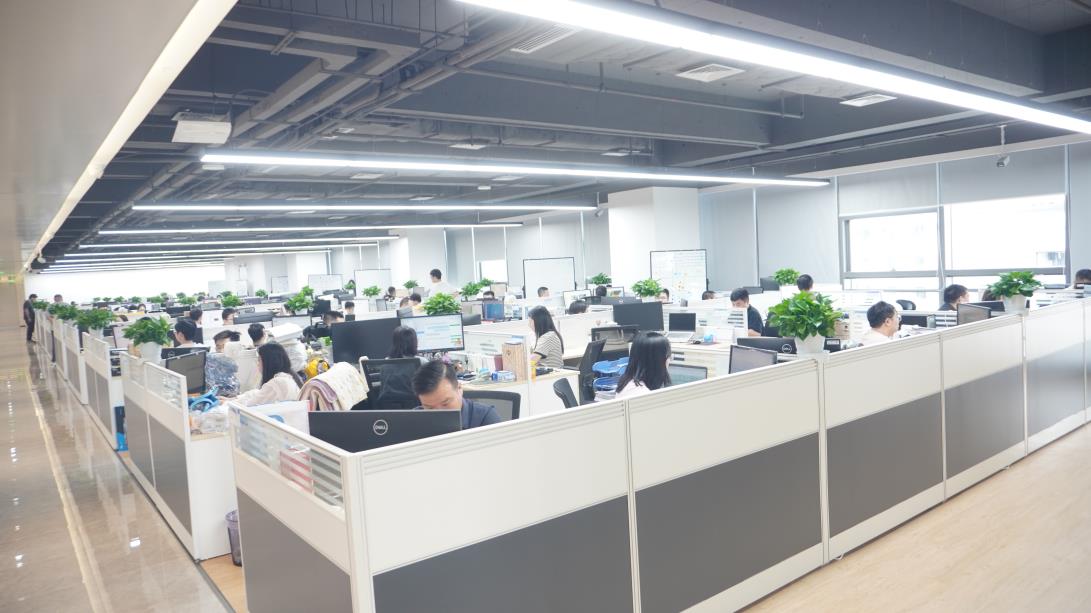
Operating a specialized manufacturing facility, we integrate advanced assembly and testing systems to ensure that every device meets strict hardware tolerances. Over the past year alone, our engineers developed and introduced 186 new products and solution variants to keep pace with changing AI, network, and data center requirements.
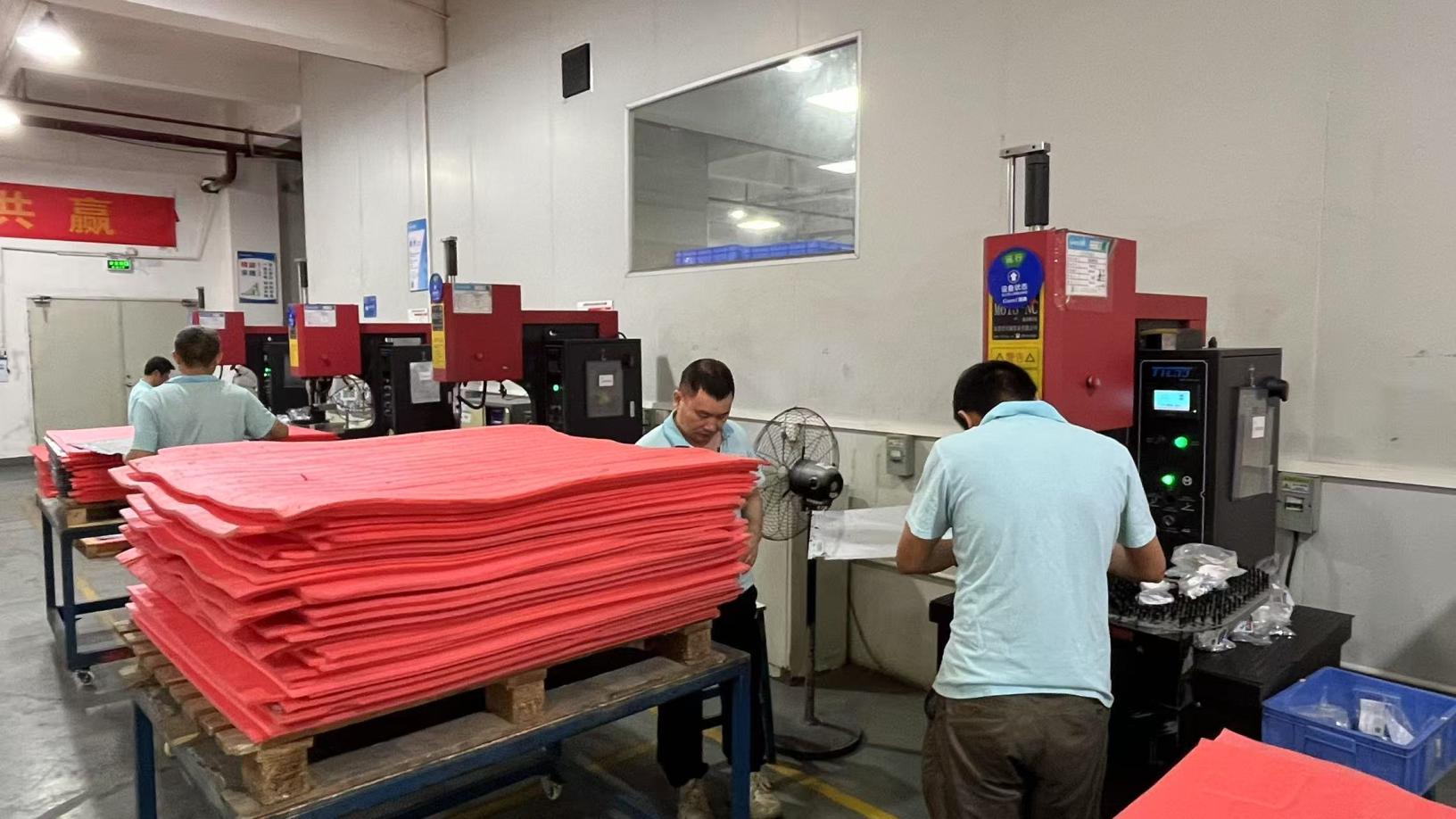
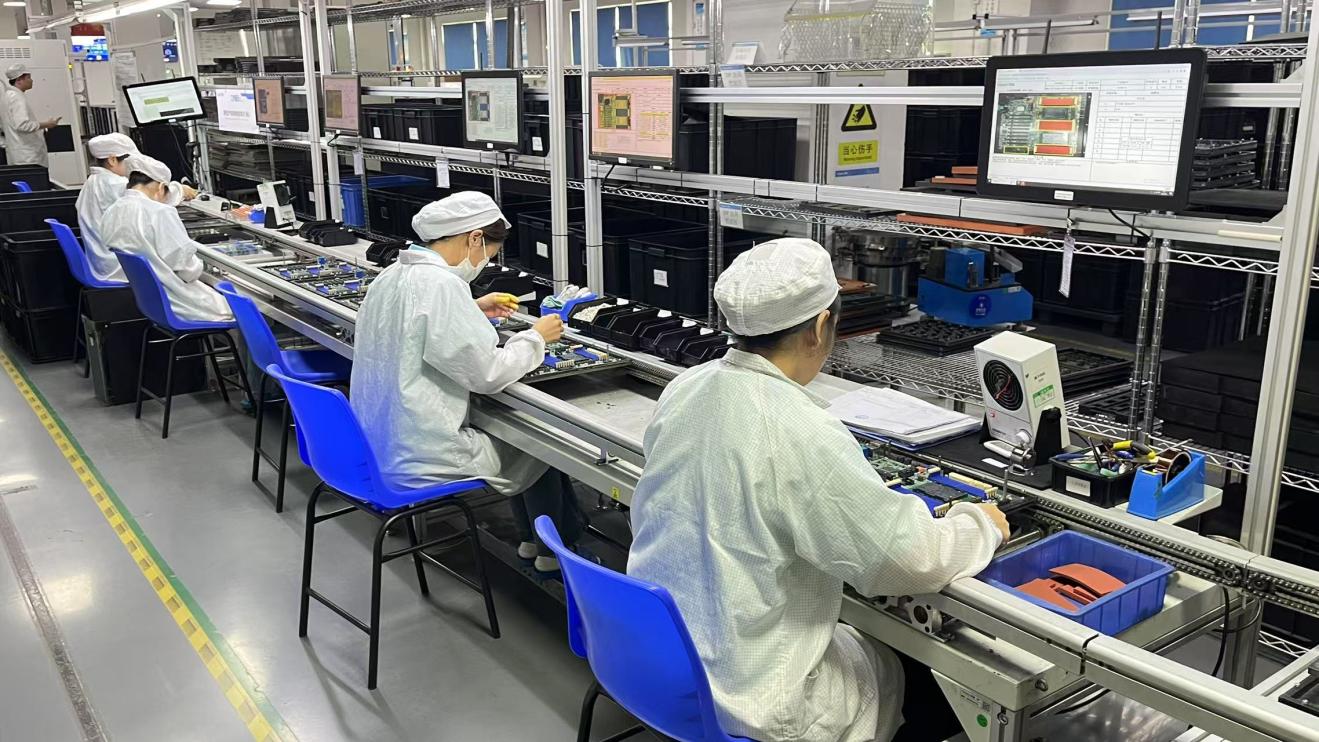
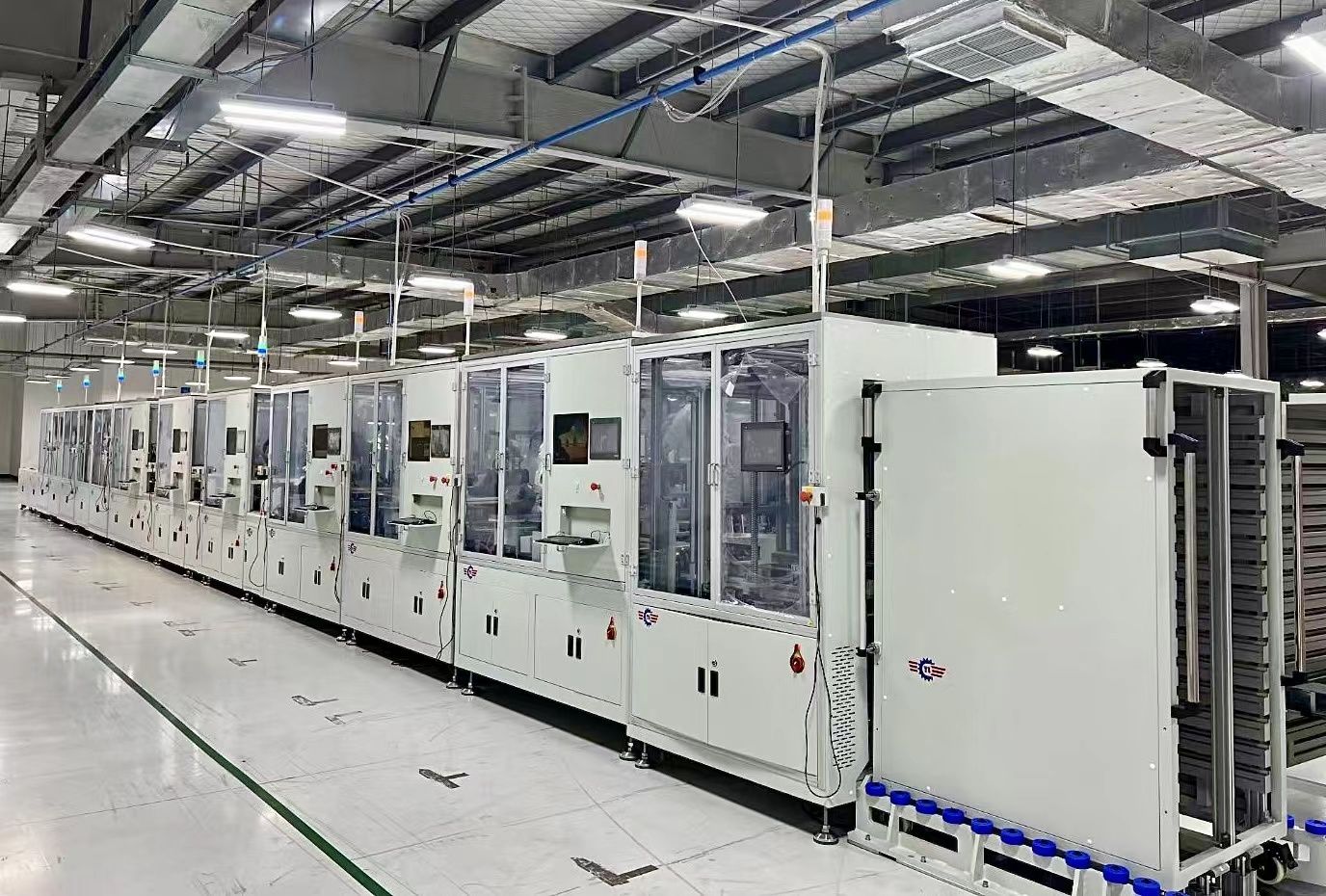

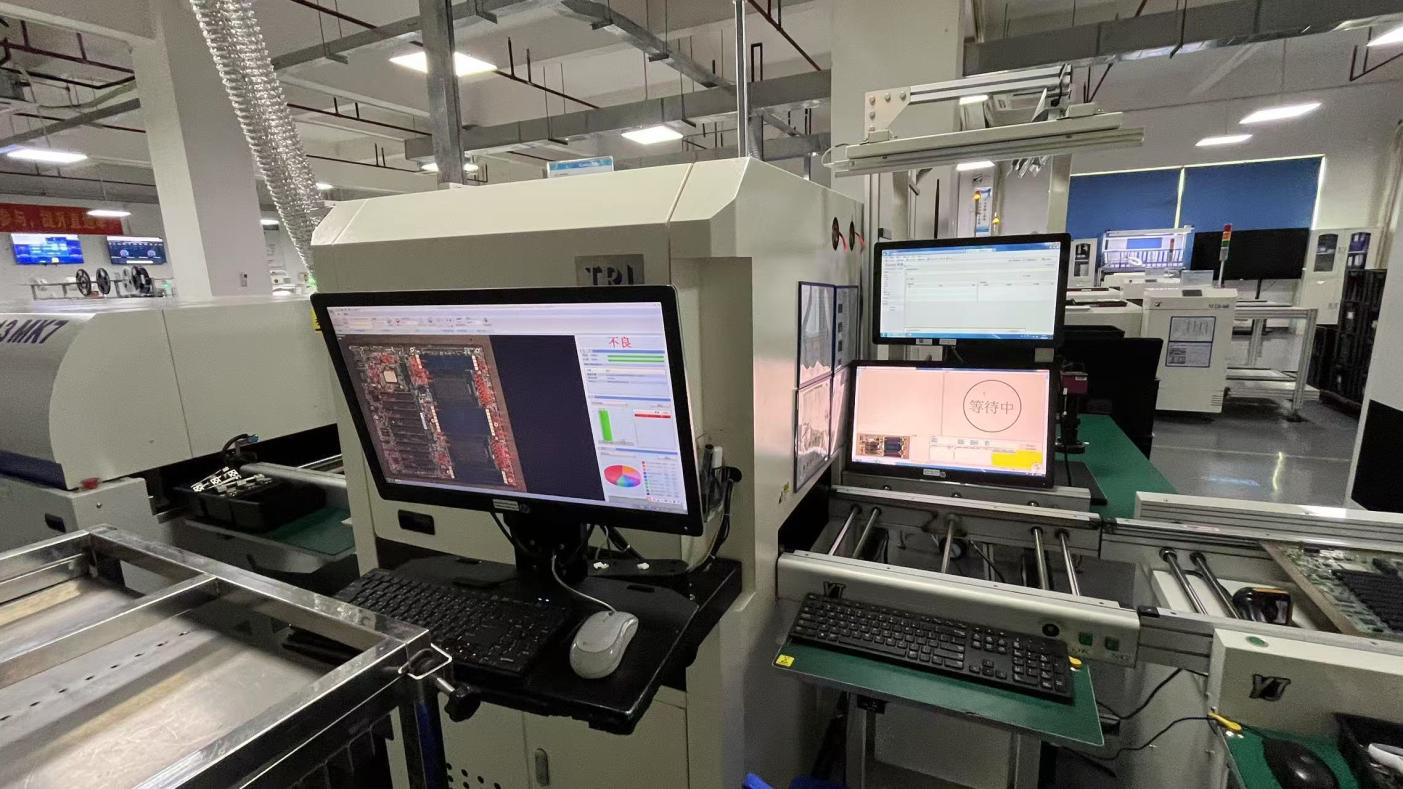
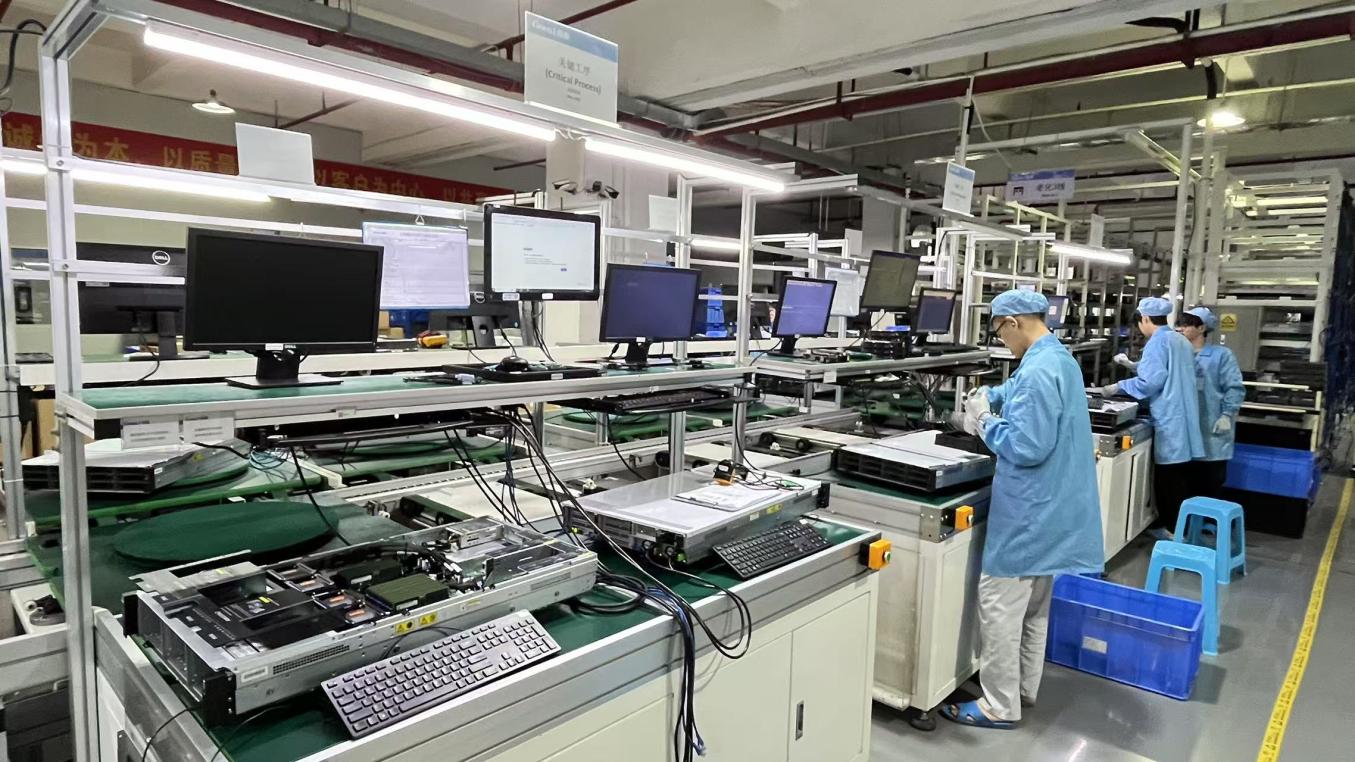
International hardware deployment requires strict adherence to regulatory structures, quality management systems, and post-sale support. Aivora Technology implements multi-tiered systems to protect global procurement initiatives:
Embracing the trends shaping the future of data centers and network connectivity.
Scaling up 800G optical switch backplanes and expanding standard port deployments to support the rising compute needs of AI training setups and dense virtualization layers.
Transitioning toward Co-Packaged Optics (CPO) architectures. This integrates optical transceivers directly with ASIC chips, reducing power consumption by up to 30% and significantly lowering signal attenuation.
Implementing embedded AI agents inside the switch firmware. This enables autonomous traffic redirection, real-time load optimization, and predictive fault prevention across distributed cloud instances.
Answers to common technical and logistical questions regarding switch selection, factory capability, and custom builds.
Layer 2 switches operate at the Data Link layer (MAC addresses) and are ideal for local device connectivity within a single network segment. Layer 3 switches integrate routing capabilities (IP addresses) and hardware-based packet forwarding, making them suitable for core routing duties, inter-VLAN communications, and large enterprise backbones where routing speed is critical.
We deploy 46 specialized quality inspectors who enforce a strict QA process: inspection of incoming components, real-time tracking during assembly, high-temperature burn-in testing, link integrity checks on high-speed ports, and comprehensive validation under full network load. This process minimizes the risk of out-of-box component failures.
Optical ports (SFP+, QSFP28, QSFP-DD) provide higher throughput and maintain signal integrity over longer distances compared to traditional copper cables (RJ45). They also produce less heat and consume less power per gigabit, which is critical for optimization inside dense server racks.
Yes. Our team of 128 R&D engineers provides end-to-end ODM/OEM customization. We can modify chassis physical dimensions, configure custom power configurations, integrate specific RAID cards (like the LSI Broadcom 9560/9540 series), and customize software firmware or exterior system branding.
RoCE allows network adapters to write data directly into the memory of remote systems without routing through the operating system kernels. This reduces processing overhead and network latency, enabling faster storage sync times and quicker model updates in distributed AI training clusters.
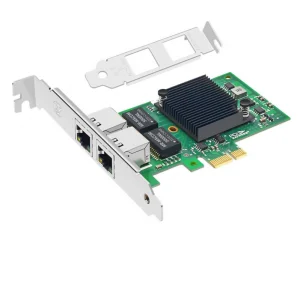
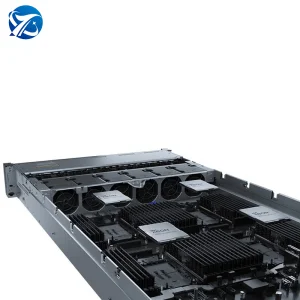
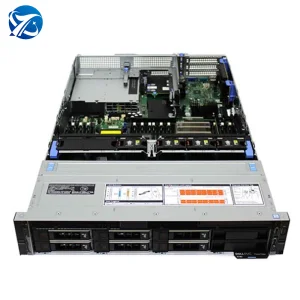
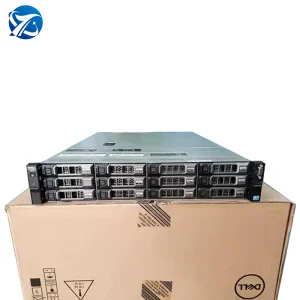
Complementary high-speed nodes, storage array expansions, and processing units for scalable network builds.