Aivora
Aivora
Aivora
High-performance scalable architecture built for massive memory workloads and deep learning orchestration.
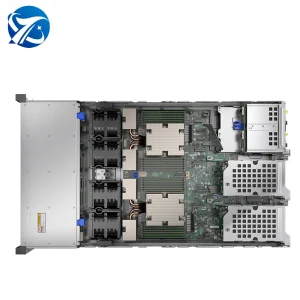
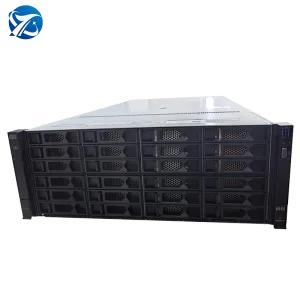
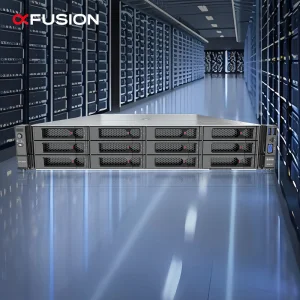
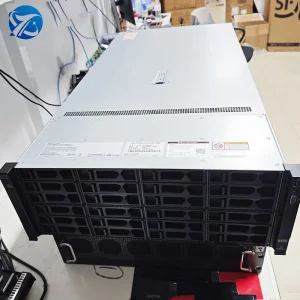
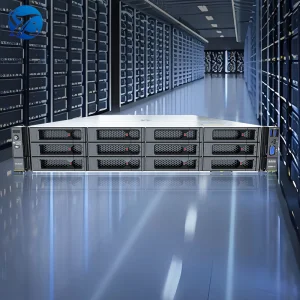
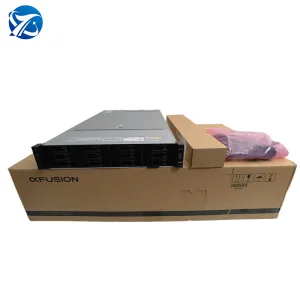
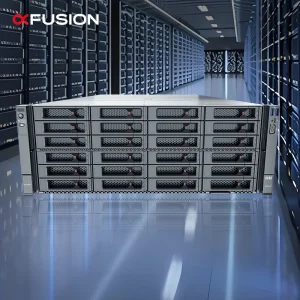
In an era dominated by large-scale language models (LLMs) such as DeepSeek, high-frequency database indexing, and complex hyperconverged infrastructure (HCI), enterprise datacenter architectures require extreme computational efficiency. The xFusion FusionServer V7 Rack Server series represents the pinnacle of modern x86 design, engineering a perfect synergy between massive parallel execution, high-bandwidth memory interfaces, and robust thermal dynamics. As the digital economy pivots toward AI-native software architectures, selecting the right hardware partner is no longer just a procurement task—it is a core strategic initiative that governs enterprise scalability and margin health.
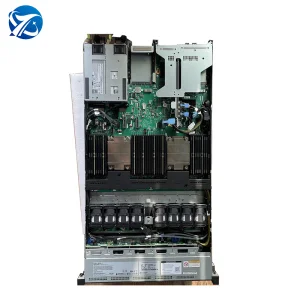
The V7 architecture leverages the latest Intel® Xeon® Scalable Processors and supports advanced DDR5 registered ECC memory modules, which dramatically reduce transmission latencies while increasing throughput up to 50% compared to legacy DDR4 standards. Furthermore, integration of native PCIe Gen 5.0 lanes enables bi-directional transfer rates of up to 128 GB/s per slot. This is a critical development for datacenters deploying dense GPU topologies, high-speed NVMe flash arrays, or ultra-fast networking fabric like 100G/200G InfiniBand adapters.
By employing dual-socket and quad-socket motherboard designs with proprietary interconnect topologies, xFusion V7 rack servers provide near-linear scaling curves. This architecture ensures that compute, storage, and accelerator cards function with minimal CPU bottlenecks, maximizing overall hardware return on investment (ROI).
In addition to the raw hardware metrics, the V7 platform incorporates intelligent management layers. Supported by advanced Baseboard Management Controllers (BMC) and compliance with IPMI 2.0 and Redfish APIs, infrastructure engineers can manage thousands of compute nodes from a single dashboard. Real-time diagnostic telemetry, predictive failure warnings for memory cells and SSD blocks, and dynamic power capping protect enterprises from unplanned outages, ensuring that high-performance compute remains both highly reliable and cost-effective.
Mapping the worldwide demand for x86 rack systems, high-density AI accelerators, and robust local channel support.
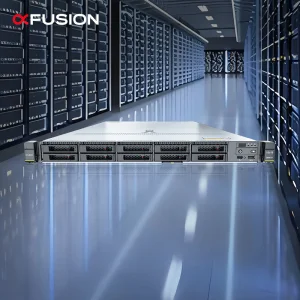
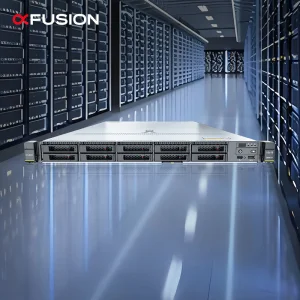
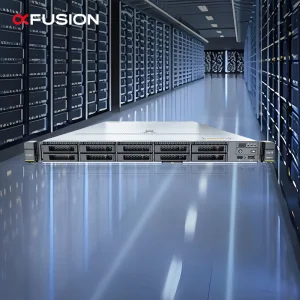
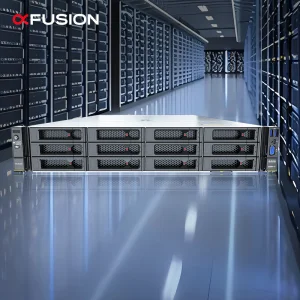
Global cloud service providers require elastic compute platforms that can be partitioned dynamically. The high density of 1U (such as the 1288H V7) and 2U (such as the 2258 V7 / 2288H V7) servers allows maximum VM density per rack unit, reducing footprint and cooling costs in Tier 3 and Tier 4 datacenters.
With models like DeepSeek taking center stage in 2025, enterprises are procuring V7 servers configured with high-performance GPU carrier boards (e.g., G8600 V7 8U GPU Cloud Mount platforms). These configurations support massive parameter models directly within local high-speed RAM and NVMe storage pools.
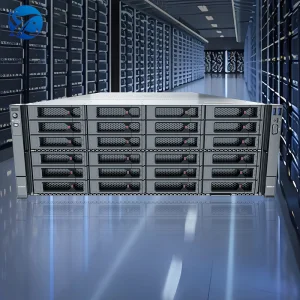
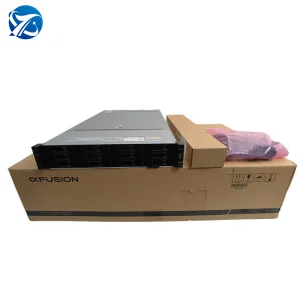
Traditional industries—such as manufacturing, logistics, and retail—are rapidly adopting hyperconverged infrastructure. The FusionServer 2288H V7 Hyperconverged Infrastructure Server combines high-density compute with flexible storage options (e.g., up to 25*2.5 inch drives) to serve as a reliable hybrid-cloud gateway.
A globally recognized AI server manufacturer and system integrator with verified export pipelines and rigorous QC standards.
Established in 2018 and headquartered in the tech capital of Shenzhen, China, Aivora Technology Co., Ltd. has rapidly emerged as a trusted partner for cloud service providers, AI research laboratories, system integrators, and enterprise buyers globally. With over 8 years of export experience and a leadership team possessing 14 years of deep computing industry expertise, we represent the vanguard of custom server engineering.
Our manufacturing facility operates under the strictest quality management frameworks. Every motherboard, CPU socket, RAM module, and power supply unit (PSU) undergoes exhaustive QA checks. The facility integrates a dedicated testing laboratory equipped to perform comprehensive diagnostic sweeps: component compatibility verification, thermal stress testing up to maximum rated operating thresholds, network integrity analysis under simulated multi-gigabit traffic loads, and extended 72-hour burn-in tests to guarantee hardware stability before dispatch.
Our global footprint spans across North America, Europe, Southeast Asia, the Middle East, and South America. We facilitate secure international trade via highly optimized logistics channels, offering custom OEM/ODM solutions. Whether you require custom chassis branding, custom BIOS configurations, or precise component sourcing (such as matching specific Intel Xeon processors with specialized GPU accelerators), Aivora delivers computing platforms tailored precisely to your application architecture.
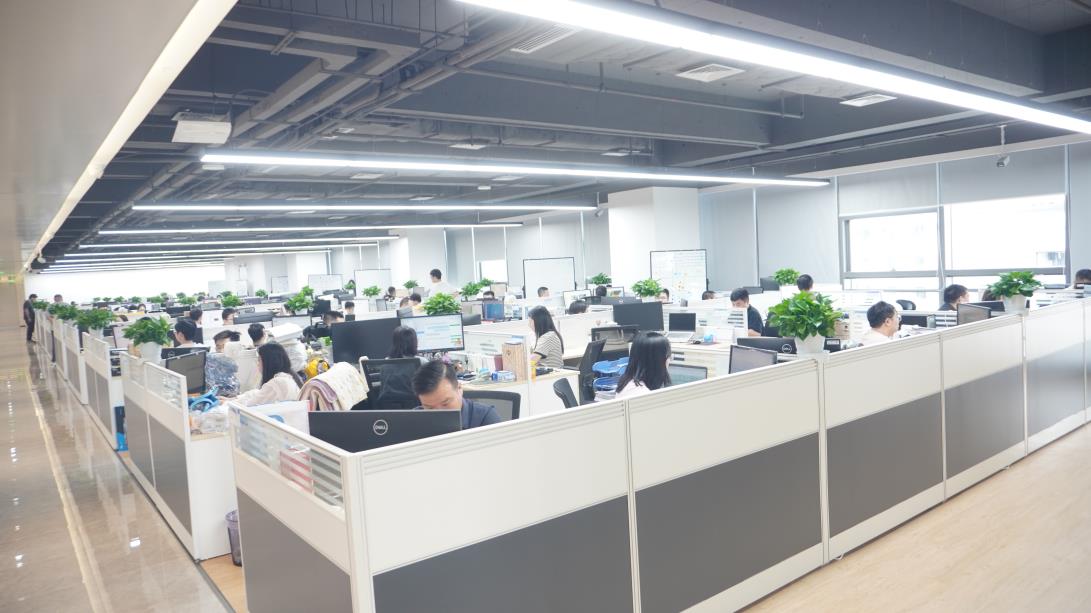
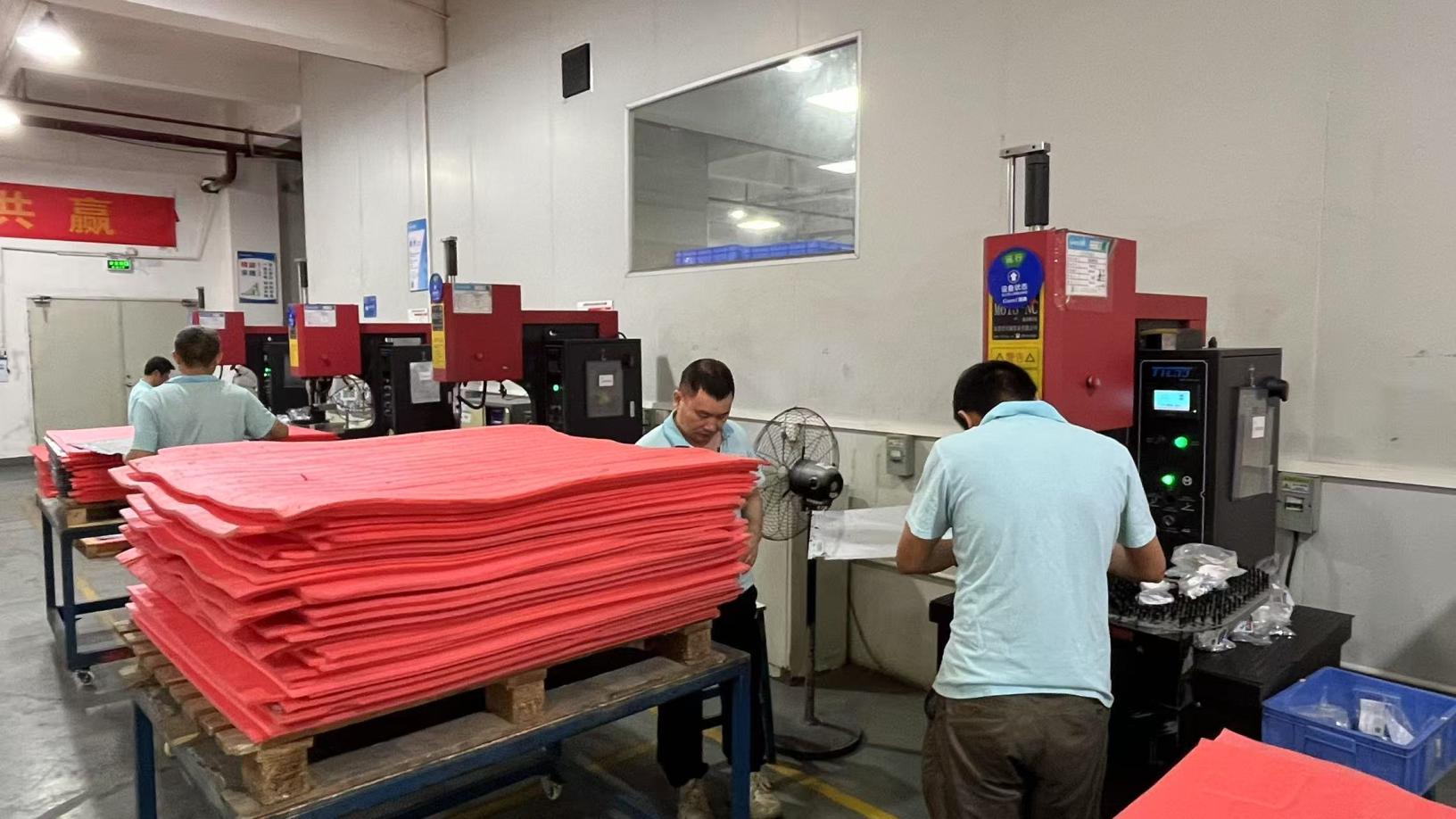
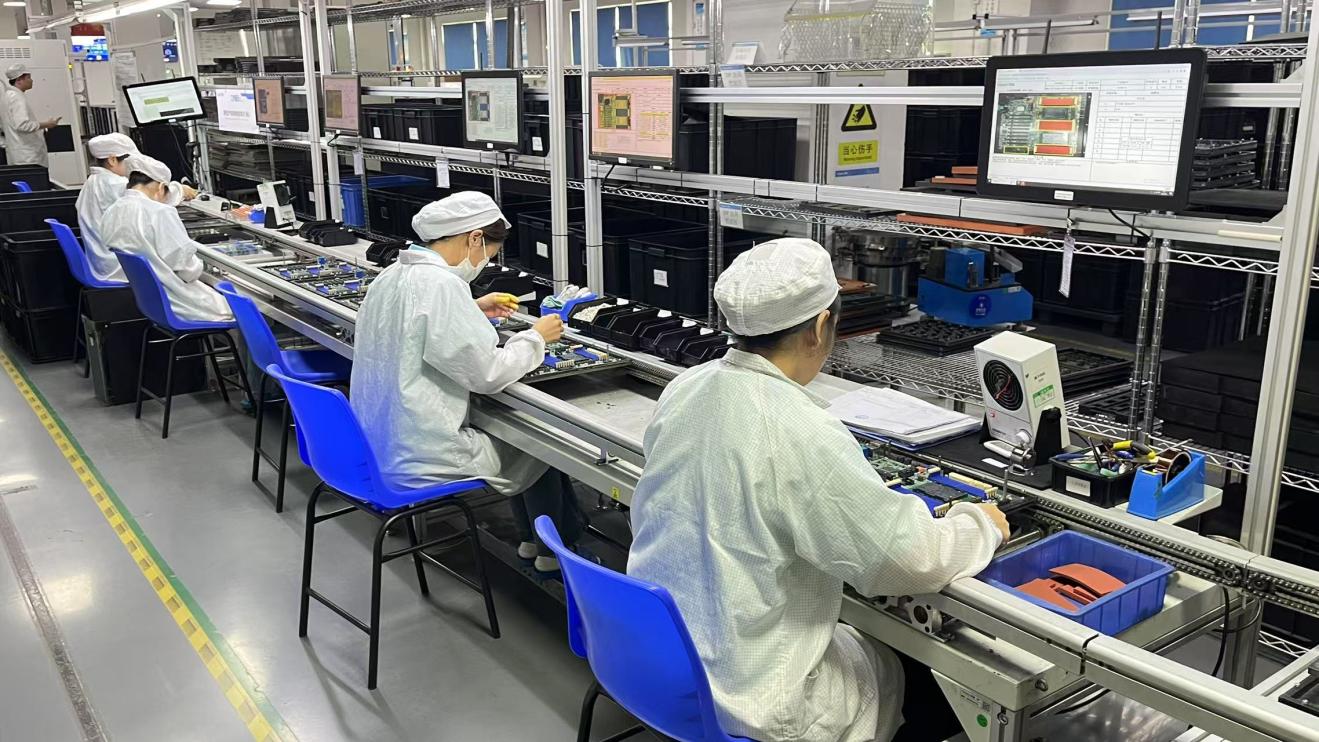
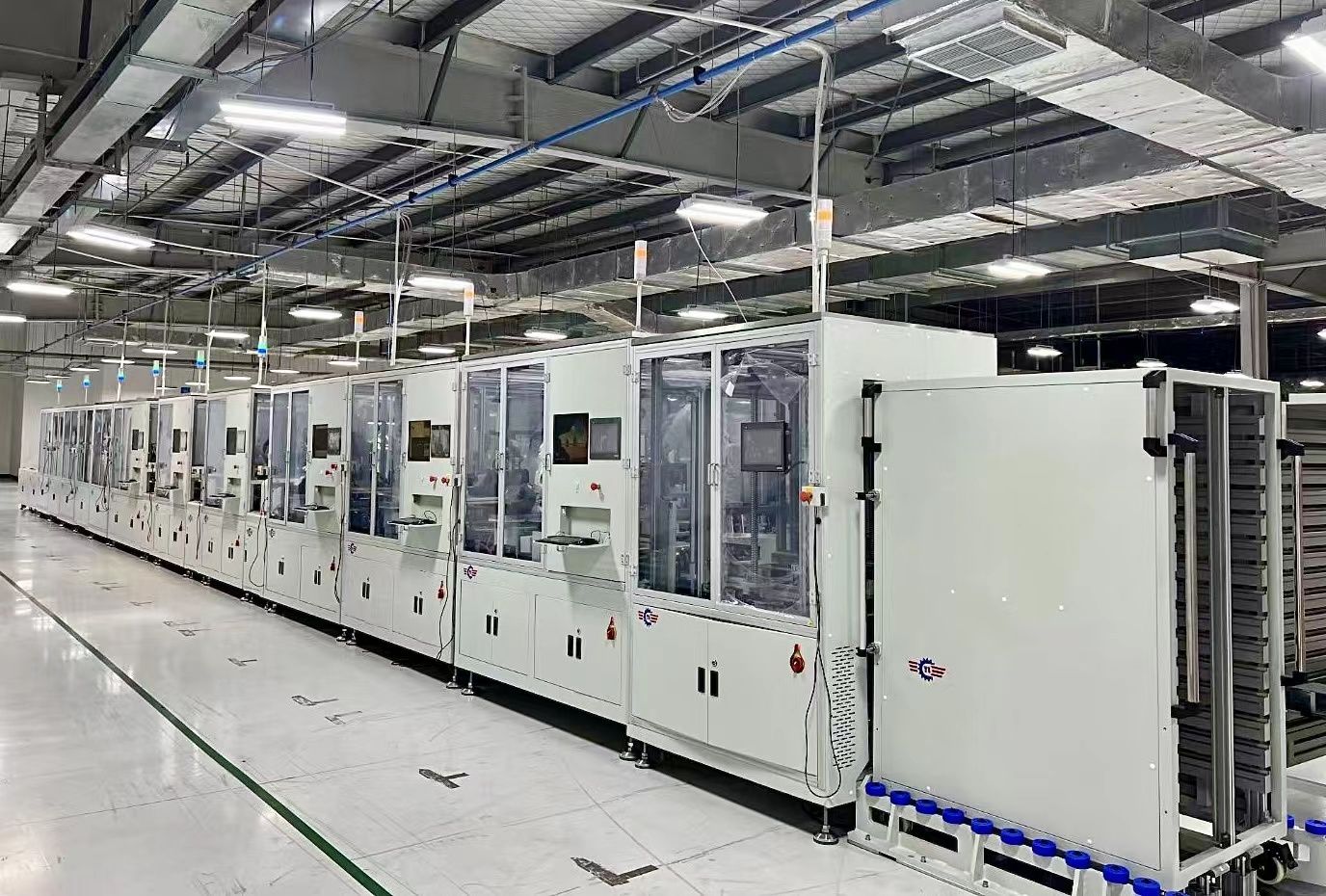

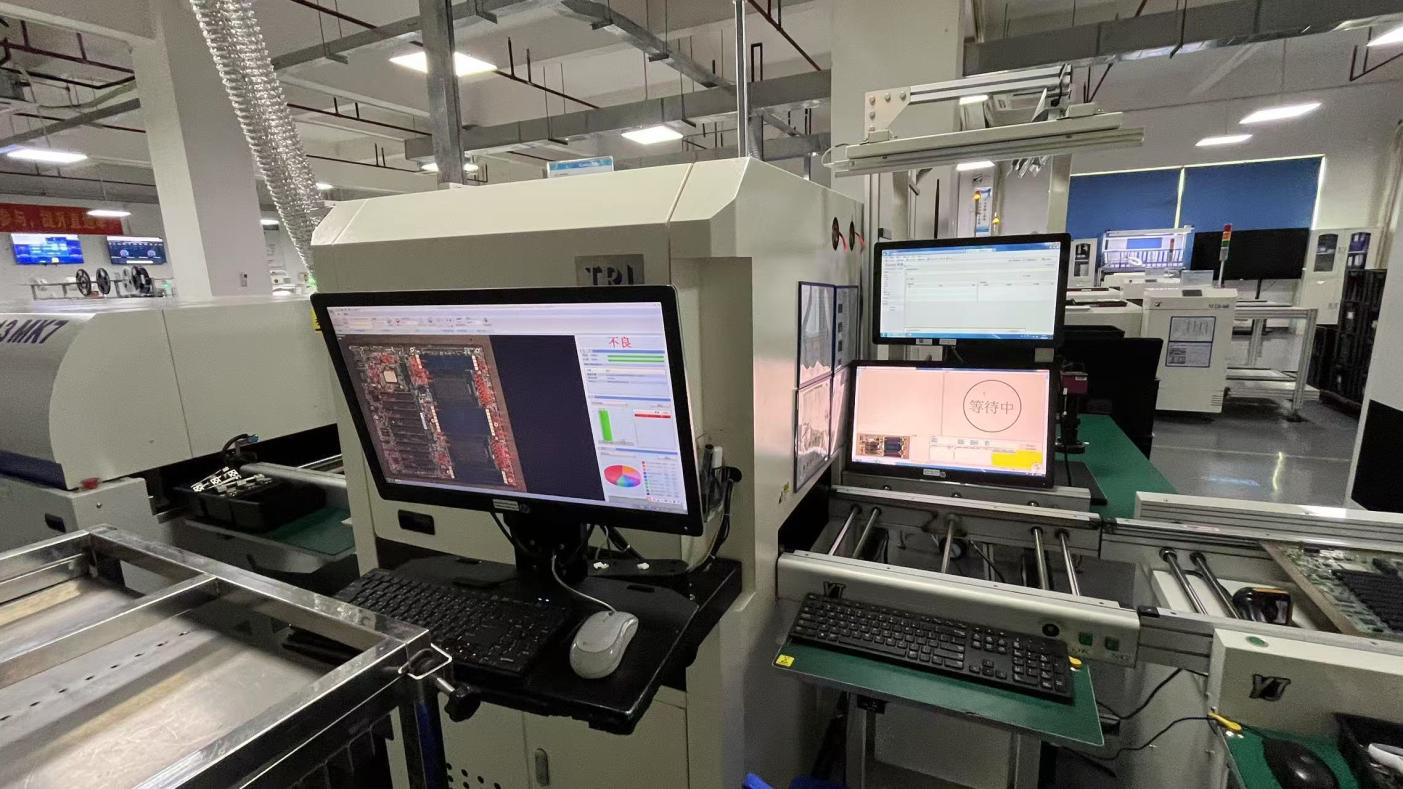
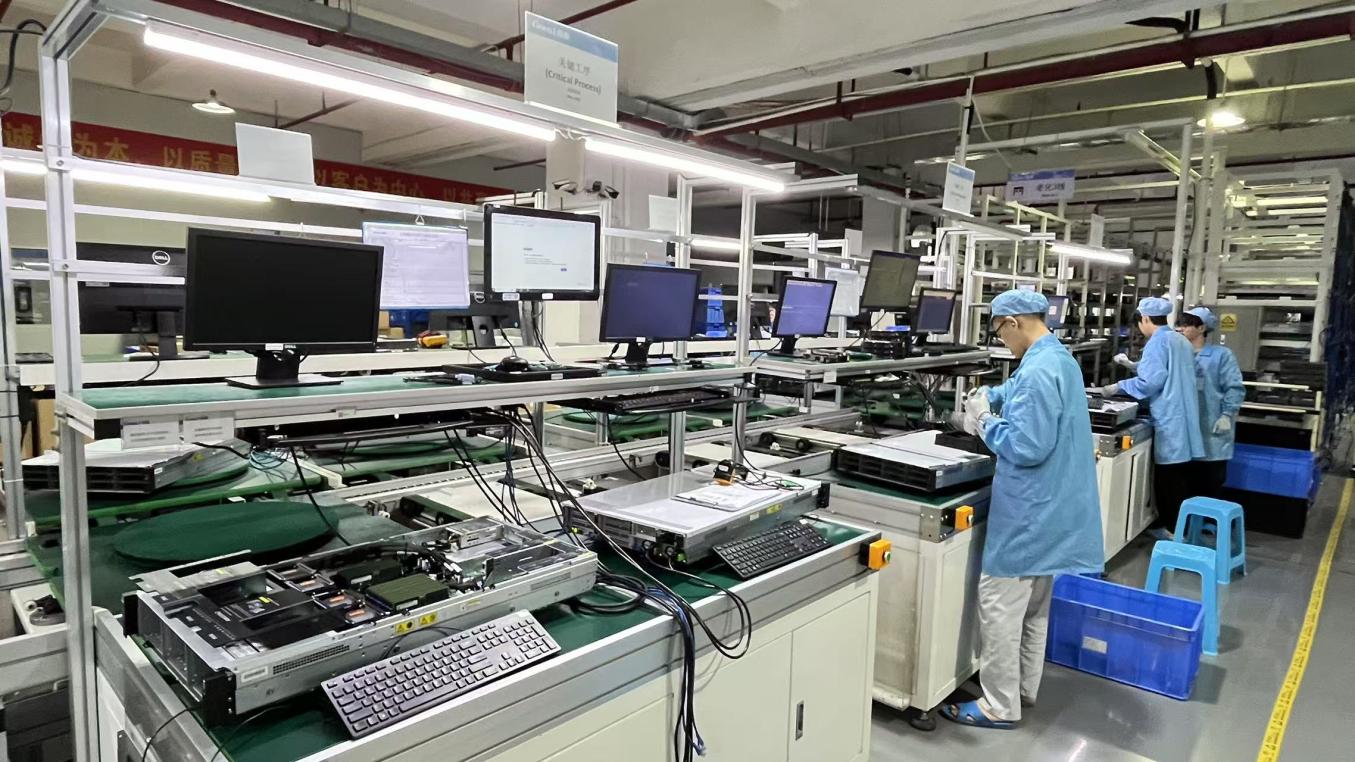
The deployment of high-performance V7 rack servers is highly diverse, matching vertical business challenges with custom hardware configurations. As compute challenges become more dense, xFusion's engineering team focuses on three main tenets: thermal dissipation, high-frequency IO virtualization, and architectural power scaling.
Modern processors operating at high thermal design power (TDP) demand state-of-the-art cooling solutions. xFusion V7 rack servers feature high-airflow intelligent fan arrays coupled with optimized internal air ducts. Additionally, for extreme density installations (such as clusters running heavy GPU workloads for DeepSeek training), hybrid liquid-to-air systems are integrated. This technology dramatically lowers the Power Usage Effectiveness (PUE) ratio, helping global datacenters align with strict green energy compliance mandates while maintaining peak clock speeds without thermal throttling.
As computational applications demand massive memory bandwidth, the integration of Compute Express Link (CXL 1.1 / 2.0) protocols marks the next evolution in server design. CXL enables memory resource pooling across multiple processors and accelerator pools. This eliminates memory paging bottlenecks, ensuring that large, memory-intensive database queries and live virtualization platforms operate with near-zero latency.
Securing corporate and customer data is a foundational concern for enterprise CTOs. The V7 architecture implements a robust Silicon Root of Trust framework. By checking firmware integrity during boot time via cryptographically secured signatures, the platform blocks rootkits, unauthorized firmware modifications, and low-level system exploits. Coupled with physical intrusion sensors and Trusted Platform Modules (TPM 2.0), the V7 is built for secure environments like banking, healthcare, and sensitive government clouds.
Expanding hardware footprints into international markets requires deep knowledge of regulatory compliance and localized hardware certifications. Aivora is fully equipped to support enterprises globally, offering systems certified for deployment in major regions:
Full compliance with FCC Part 15 electromagnetic interference regulations and UL safety certification for data center environments, ensuring safe operations under massive thermal and power load conditions.
Adherence to CE standards for health, safety, and environmental protection, as well as RoHS compliance to ensure that all lead-free components meet environmental standards across EU states.
Tailored configuration clearances matching regional electrical standards, import documentation guidelines, and local custom regulations to avoid transit delays.
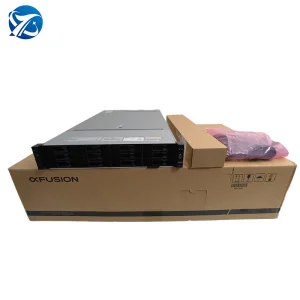
Our strong global logistics pipeline relies on partnerships with tier-one freight forwarding systems, providing real-time tracking, temperature-controlled transit options, and customs clearance support. Additionally, we provide dual-layered packaging designed to prevent electrostatic discharge (ESD) and mechanical shock during long-distance oceanic or air transport, ensuring that your enterprise computing assets arrive in pristine operational condition.
In-depth answers to core engineering questions regarding compatibility, customization, and performance limits.
High-reliability compute architectures, NAS solutions, and dense GPU configurations for global enterprises.