Aivora
Aivora
Aivora
Deploy high-reliability network fabric, RAID controller interfaces, and multi-socket host compute nodes engineered for continuous high-load data center tasks.
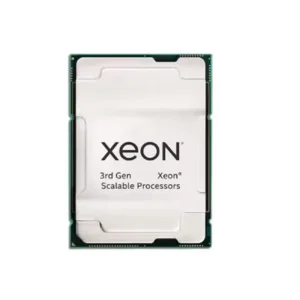
Analyzing the modern data center landscape, architectural transitions, and the supply chain dynamics powering next-gen cloud nodes.
The global infrastructure ecosystem is undergoing an unprecedented paradigm shift. Driven by advanced deep learning training protocols, high-performance database queries, and decentralized computing structures, enterprise data centers require components that offer zero latency bottlenecks. As PCIe Gen 4 is maturely integrated and PCIe Gen 5 transitions into active edge computing installations, the demand for stable host bus adapters (HBAs), intelligent caching RAID controllers, and robust power supplies has reached critical volumes.
This hardware density poses severe challenges. Modern multi-core processors running up to 350W Thermal Design Power (TDP) demand dynamic, low-resistance power distribution systems. Concurrently, data pathways require strict signal integrity. Even minor electrical attenuation can lead to frame drops and packet loss in a SAN environment, making the selection of certified enterprise accessories a vital operations decision.
"According to recent industrial metrics, computing infrastructure accounts for over 38% of modern enterprise capital expenditure. Utilizing highly reliable, modular server accessories reduces system maintenance overhead by up to 27% annually, extending typical hardware lifecycle expectancy from 3 to 5+ years."
Integrating complex components into standard 2U or 4U rackmount servers requires a deep understanding of cooling mechanics, bus multiplexing, and power sequencing. Modern setups rely on reliable server hardware, including Broadcom SAS controllers, Emulex Fibre Channel chips, and high-efficiency Platinum power distribution boards. These systems require consistent testing to ensure reliable server communication. Enterprise clients need parts that support robust management protocols, like IPMI 2.0 and Redfish, to allow IT teams to monitor thermals and identify potential component issues early.
Deep technical dissection of current interface specifications, interface transmission protocols, and system thermal optimization structures.
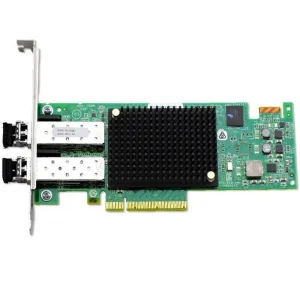
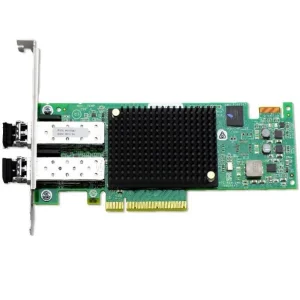
Emulex FC cards utilizing 32Gb/s SFP28+ transceivers support massive database transactions with low latency. These cards use advanced frame routing to prevent bottlenecks in busy SAN fabrics.
Tri-Mode storage interfaces (SAS/SATA/NVMe) running on PCIe 4.0 manage data flow and protect it with CacheVault technology, helping prevent data loss during power failures.
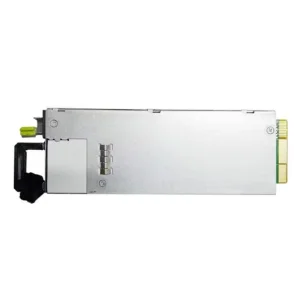
80 Plus Platinum PSUs running up to 2000W provide stable power with over 94% efficiency, reducing energy loss and supporting continuous operation under heavy workloads.
System designers must select high-quality accessories that prevent performance bottlenecks. This technical table outlines the performance profiles of modern enterprise components:
| Component Type | Primary Interface Protocol | Maximum Throughput / Speed | Key Operational Benefit |
|---|---|---|---|
| Emulex LPe35002 HBA | Fibre Channel (FC32) SFP28+ | 32 Gbps per port | Low-latency SAN connectivity with minimal CPU overhead |
| LSI 9560-16i RAID Controller | PCIe Gen 4.0 x8 / Tri-Mode | Up to 12Gb/s SAS / 16GT/s NVMe | Hardware-based data safety with 8GB write-back cache |
| EP600 Enterprise NVMe SSD | PCIe Gen 4.0 x4 U.2/U.3 | Read speeds up to 7000 MB/s | High endurance for mixed-read/write enterprise workloads |
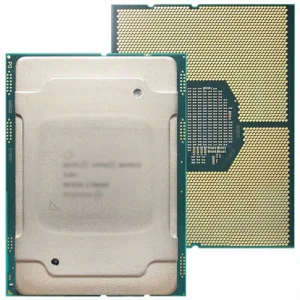
| Xeon Scalable Cooper Lake | LGA 4189 Socket | Up to 3.4 GHz / 8 UPI links | High density computation supporting multi-socket configurations |
Established in 2018, Aivora Technology Co., Ltd. delivers high-performance GPU server solutions, AI computing infrastructure, and customized systems.
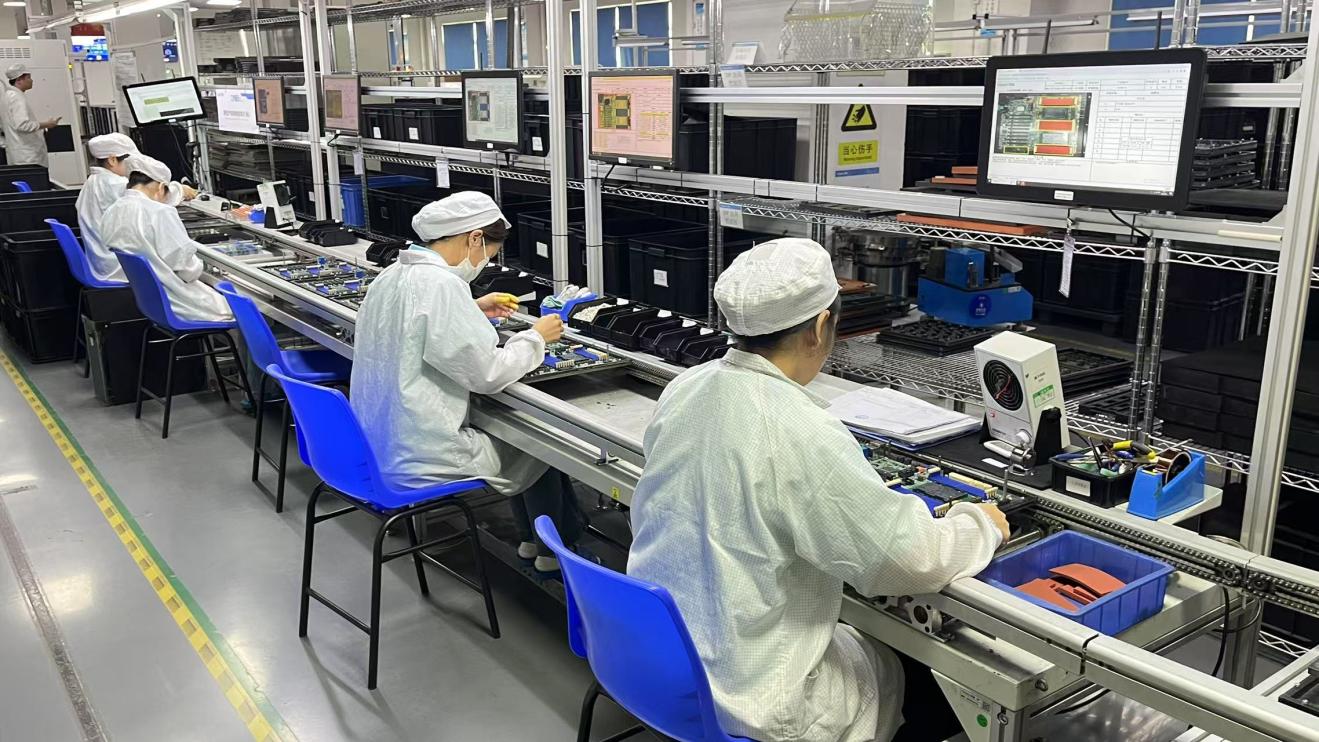
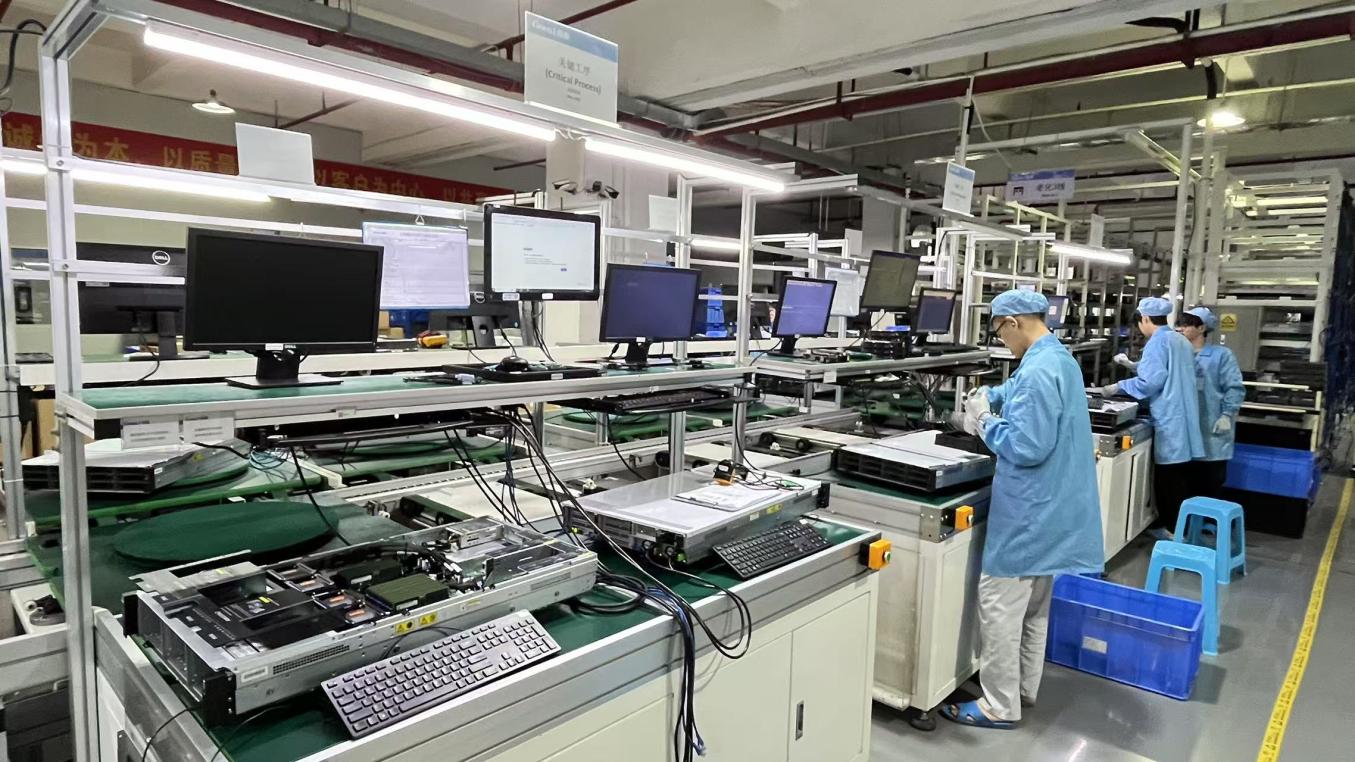
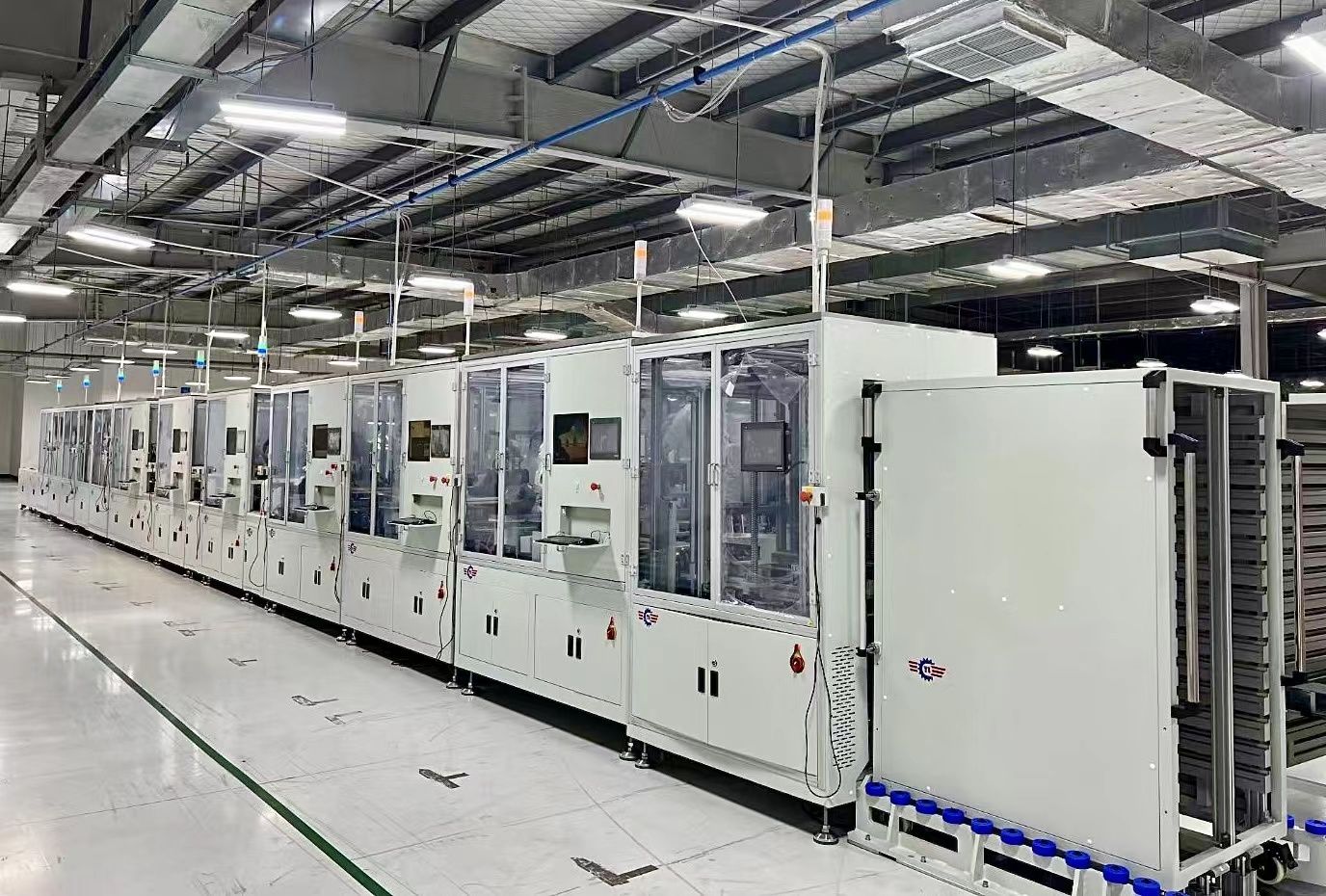
Located in Shenzhen, China, Aivora operates a modern manufacturing facility covering 386 square meters. We integrate production, testing, and quality management systems to deliver consistent performance and reliability. With more than 8 years of export experience and 14 years of industry knowledge, we serve customers across North America, Europe, Southeast Asia, the Middle East, and South America.
Our product portfolio includes AI training servers, AI inference servers, GPU workstations, edge AI servers, HPC servers, storage servers, and custom rack-level solutions. Leveraging strong R&D capabilities, we provide flexible OEM and ODM services, supporting hardware customization, chassis design, GPU configuration, branding, and system integration based on project requirements.
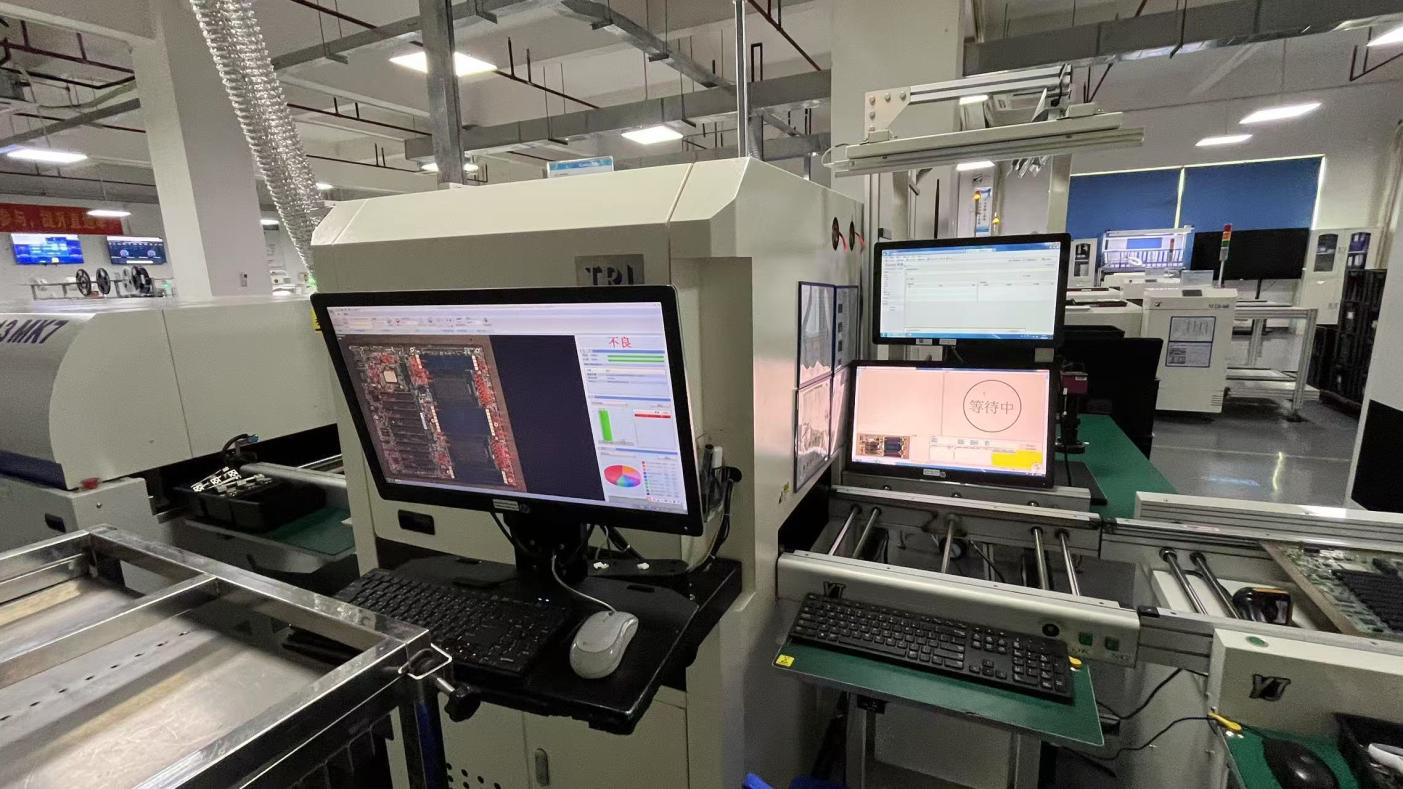
Quality is at the core of our operations. Every product undergoes comprehensive quality inspections, including component verification, system integration testing, burn-in testing, thermal performance evaluation, power consumption testing, and final functional validation before shipment. Our quality control team consists of 46 experienced inspectors who ensure every system meets international quality standards and customer specifications.
Aivora maintains close cooperation with more than 1,250 supply chain partners, enabling efficient sourcing, stable production, and rapid delivery of high-performance computing solutions. Supported by a team of 128 R&D engineers, we continuously innovate and introduce new technologies to meet the rapidly evolving demands of artificial intelligence and data-intensive applications. In the past year alone, we successfully launched 186 new products and solution variants.
Enabling seamless global deployments through certifications, trade compliance, and dependable local engineering support.

Deploying servers globally requires compliance with safety, environmental, and electromagnetic standards. Aivora designs and manufactures accessories to meet rigorous international frameworks, including CE, FCC, RoHS, UL, and CB. This compliance ensures that our hardware operates safely and interfaces cleanly with existing data center infrastructure.
Our global logistics network provides import clearance support, custom duty handling, and secure, static-resistant packaging. We help customers avoid customs delays and ensure that accessories arrive with proper compliance documentation in North American, European, and Asia-Pacific regions.
How enterprise-grade server accessories optimize workloads across diverse industries and compute scenarios.
Using PCIe Gen 4 RAID controllers and NVMe SSD arrays to keep GPU clusters fed with high-speed data pipelines, preventing processor starvation.
Low-latency Emulex Fibre Channel Host Bus Adapters deliver rapid transaction updates to host databases with minimal processing delay.
Utilizing robust components like SAS boot cards with edge-band management to maintain operations in remote environments.
Exploring upcoming data center trends, including next-generation PCIe speeds, high-density power, and emerging interface standards.
As standard CPU designs evolve, the industry is transitioning toward Compute Express Link (CXL) and PCIe Gen 5.0/6.0 architectures. These updates will double current data bandwidth, providing 32GT/s on Gen 5 and 64GT/s on Gen 6. This increased throughput requires higher signal integrity, making advanced retimers and low-loss PCB substrates essential.
CXL technology enables shared memory pools between CPUs, GPUs, and smart accelerators, helping reduce latency. Aivora is designing new interface cards, riser solutions, and backplanes to support these high-density memory-sharing architectures.
High compute density requires efficient thermal management. We are developing accessories compatible with immersion cooling and cold-plate designs, using corrosion-resistant cabling, sealed components, and heat sinks optimized for non-conductive fluids. In addition, our power supplies are moving toward Titanium-grade efficiency (>96% efficiency) to support sustainable data center targets.
Answers to common technical queries about installation, component compatibility, and system configuration.
Single-port models (like LPe35000) connect to a single SAN fabric path, ideal for non-critical systems or where physical slots are limited. Dual-port models (like LPe35002) support Multipath I/O (MPIO) to build redundant connections to separate SAN fabrics, ensuring continuous access if a switch or link fails.
Tri-Mode controllers use specialized PHY configurations and Universal Backplane Outlets (U.3 standard) to auto-detect the drive interface (SAS, SATA, or NVMe). The controller dynamically switches communication channels to match, allowing users to combine high-capacity SAS/SATA storage with high-speed NVMe drives in a single enclosure.
2U heatsinks feature larger surface areas and optimized fin density compared to 1U designs. This increased mass allows for lower fan speeds and improved airflow across the chassis, keeping high-TDP processor temperatures stable under continuous load while lowering energy use.
PMBus compliance allows system managers to monitor power status, load current, voltage, and internal temperatures in real-time. This telemetry data enables proactive resource allocation and helps identify power issues before they cause system downtime.
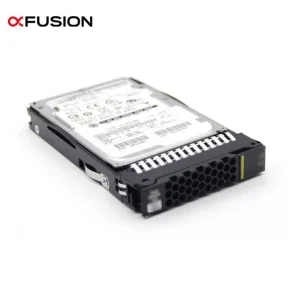
Yes, our accessories are built on open industry standards (PCI-SIG, SNIA, JEDEC) and tested for compatibility with major platforms, including Dell PowerEdge, HPE ProLiant, Lenovo ThinkSystem, and xFusion servers, ensuring smooth plug-and-play installation.
Reliable storage components, direct-attach cables, and redundant power systems designed for high-density computing clusters.
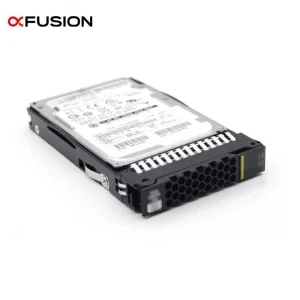
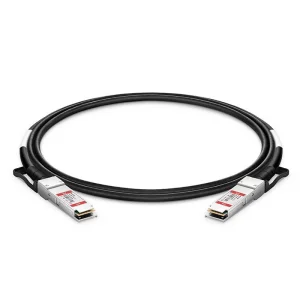
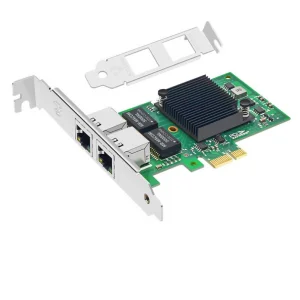
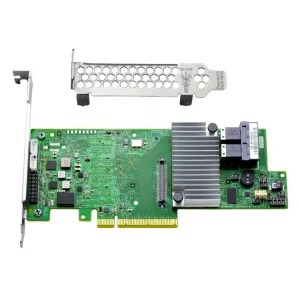
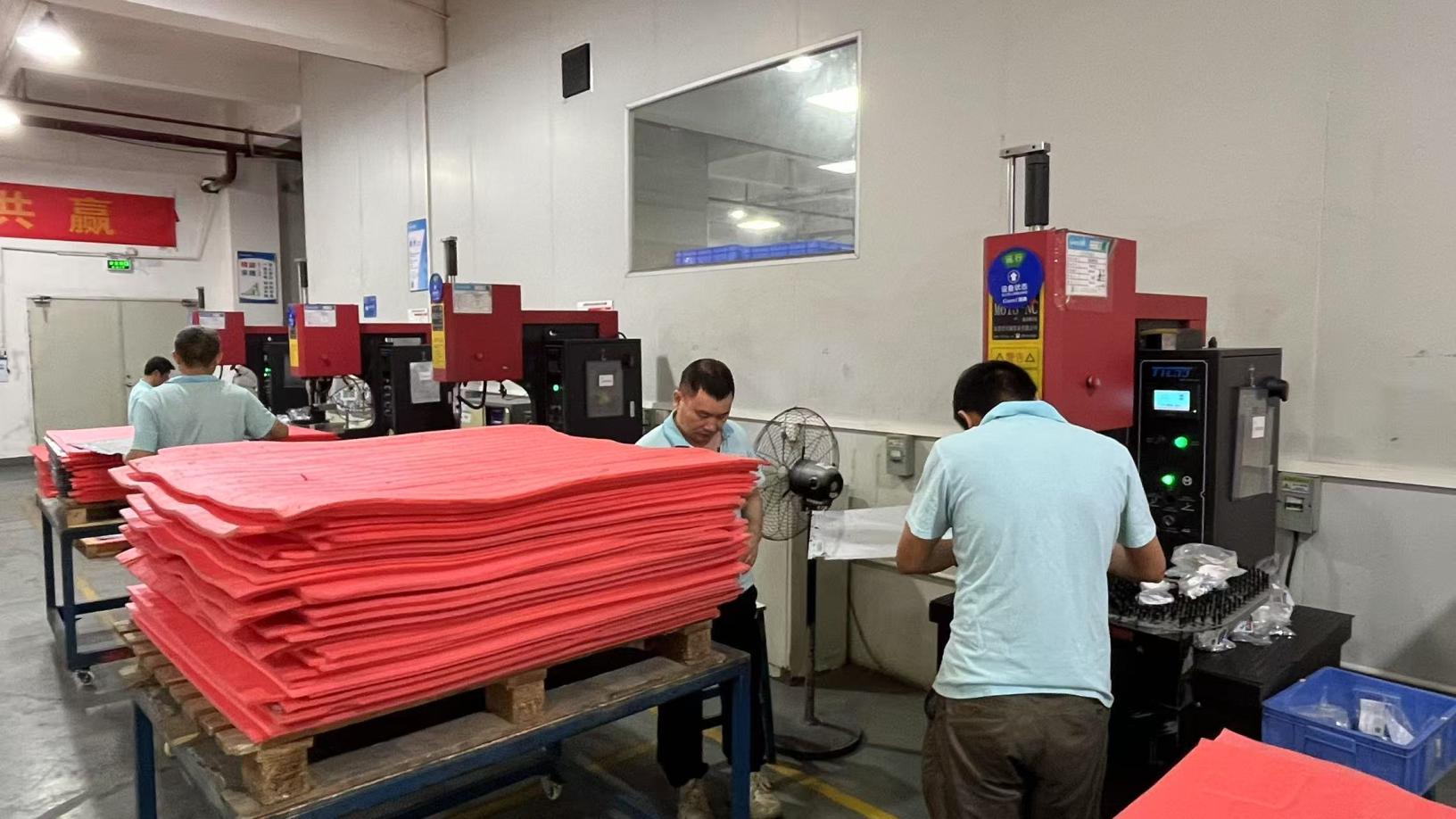
A detailed visual tour of the specialized facilities where we design, build, and test our server accessories.