Aivora
Aivora
Aivora
Experience design in computing hardware means toolless engineering, efficient cooling workflows, and optimized remote administration interfaces. Browse our top featured products.
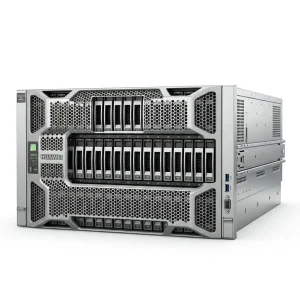
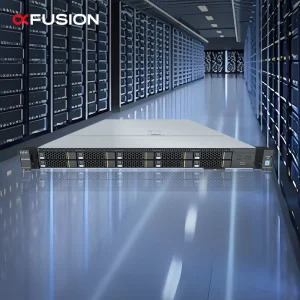
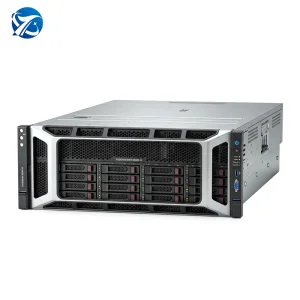
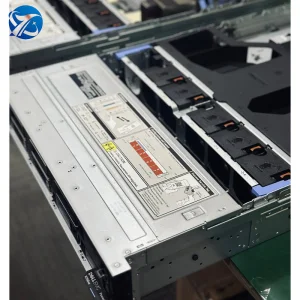
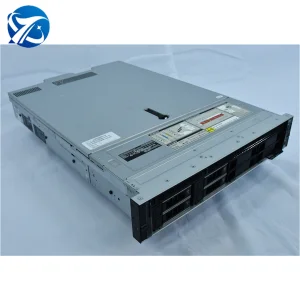
How ergonomics, configuration architecture, and system manageability drive modern data center ROI.
In the rapidly accelerating domain of Artificial Intelligence, High-Performance Computing (HPC), and cloud architecture, the term "User Experience (UX) Design" has transcended the digital interface. Today, enterprise hardware buyers, datacenter administrators, and system engineers identify physical UX and operational design as the core differentiators of computing systems. Systems that ignore user ergonomics and logical layout end up costing corporations millions in prolonged maintenance times, manual configuration mistakes, and operational fatigue.
At Aivora Technology Co., Ltd., established in 2018 in Shenzhen, China, we operate with a dual mission: to build ultra-high performance GPU/AI servers and components, and to apply advanced UX methodologies directly to hardware architecture. By design, our hardware ensures that technicians can diagnose, replace, and scale node hardware with minimal complexity.
With over 14 years of collective industry expertise and 8+ years of global export experience, Aivora addresses the exact requirements of customers across North America, Europe, Southeast Asia, the Middle East, and South America. Our manufacturing facilities incorporate strict quality controls managed by 46 dedicated inspectors, while our 128 R&D engineers continuous innovate to optimize physical deployment, remote administration interfaces, and hardware durability.
This whitepaper explores the critical integration of physical ergonomics, localized design workflows, and optimized server management systems that position us as the premier user-experience-driven computing supplier in China.
Reducing Mean Time to Repair (MTTR) through cognitive and physical design enhancements.
Technicians save valuable minutes with toolless slide rails, latching hot-swap drive bays, and modular riser card designs that eliminate the need for screws during routine drive, fan, and PSU replacements.
Color-coded touch points (orange for hot-swap components, blue for cold-swap components) combined with local LED indicators on the front panel and internal mainboards show components failures immediately.
Aivora’s server designs leverage intelligent wind tunnels and fan curve UX mapping, minimizing noise pollution in testing rooms while keeping high-power GPUs cool under deep learning training stress.
Leveraging Shenzhen’s dynamic hardware cluster to deliver customizable UX-oriented computing hardware.
The foundation of our competitive advantage lies in Shenzhen, the global capital of hardware innovation. Aivora operates an advanced prototyping and validation facility covering 386 square meters. Equipped with testing racks, environmental simulation chambers, thermal mapping sensors, and precision diagnostic tools, this facility ensures that every structural refinement is backed by empirical performance data.
With 1,250 supply chain partners within a 50-mile radius, we rapidly source components and execute customized OEM/ODM structural alterations. Whether a customer requires custom-branded bezel layouts, non-standard mechanical mounting brackets for specific racks, or pre-configured GPU configurations, our supply chain guarantees rapid execution.
In the past year alone, our engineering and quality teams successfully developed and launched 186 new product designs. This rapid turnaround represents the unmatched synergy of Chinese production efficiency and advanced user-driven mechanical styling.
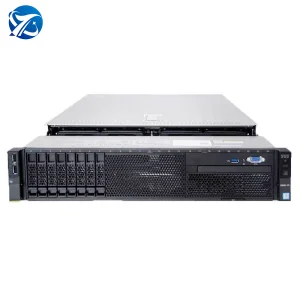
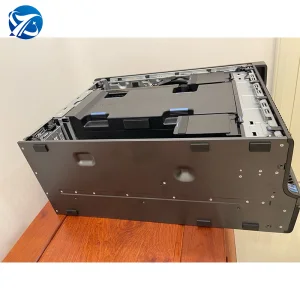
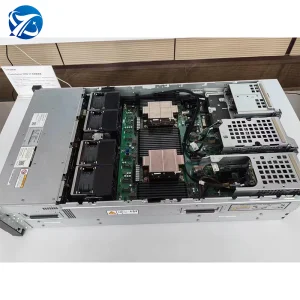
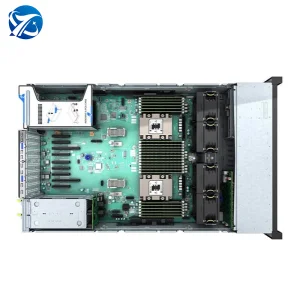
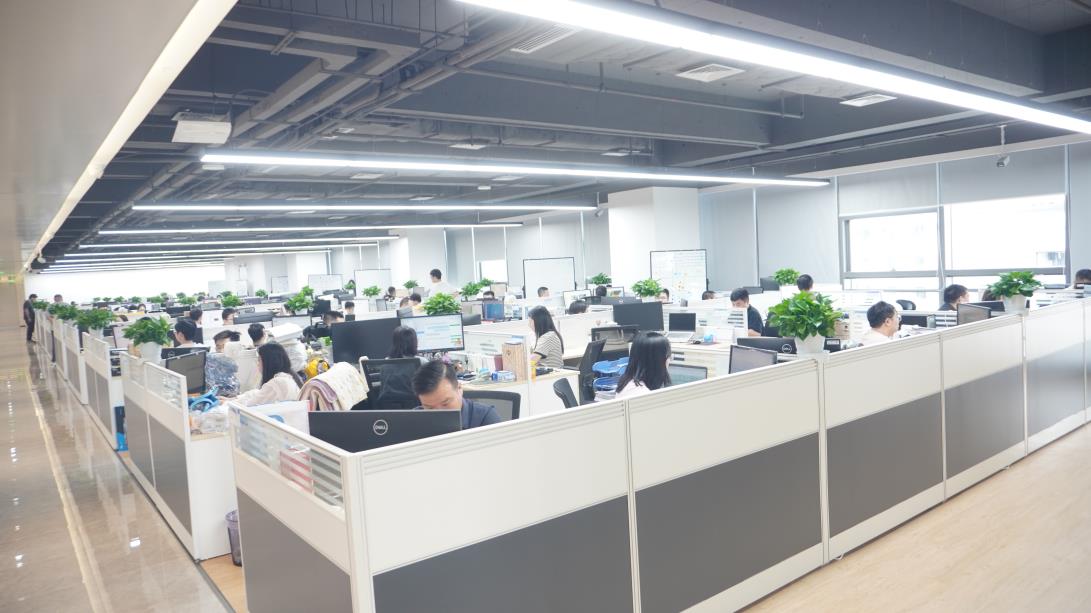
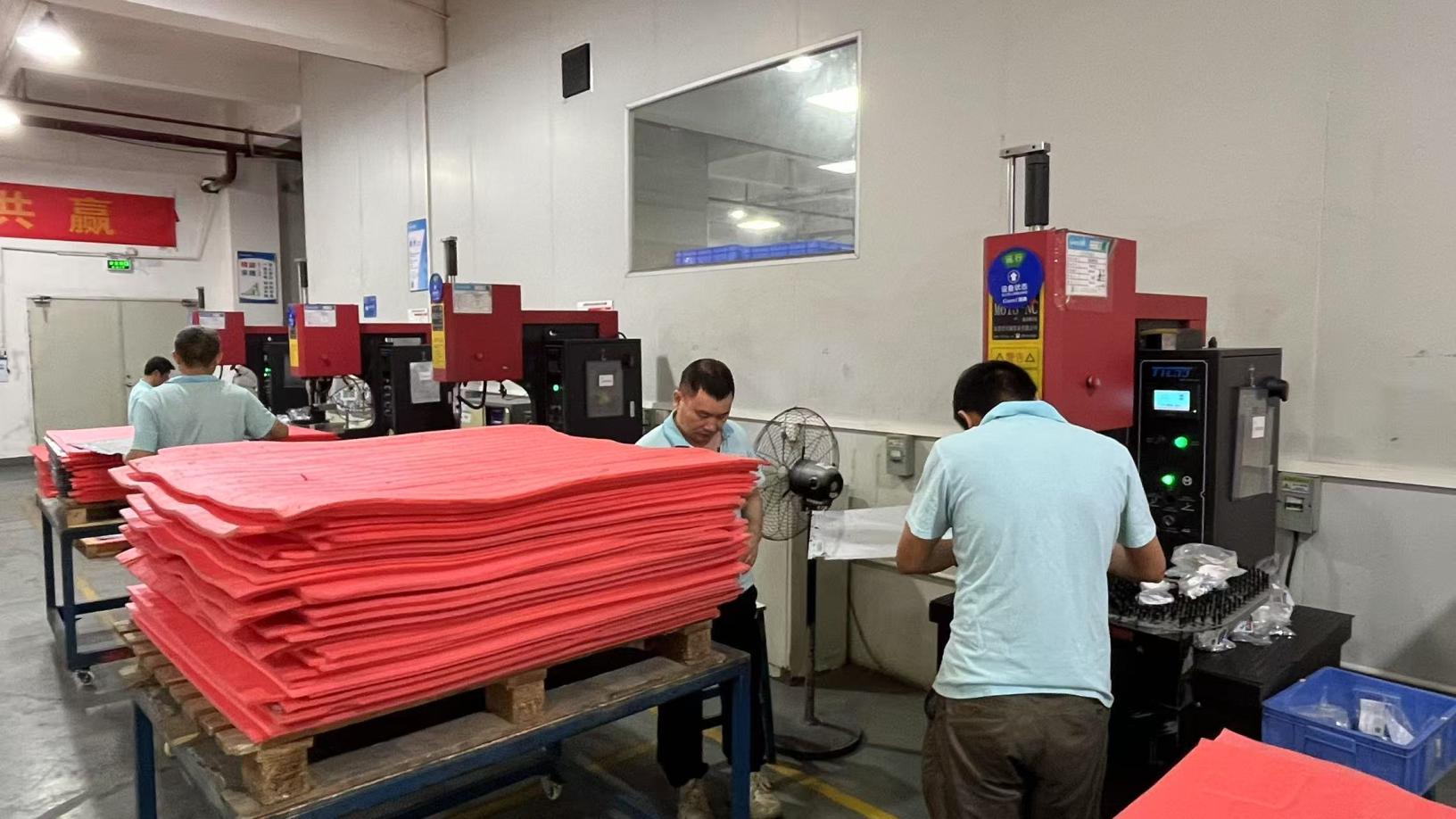
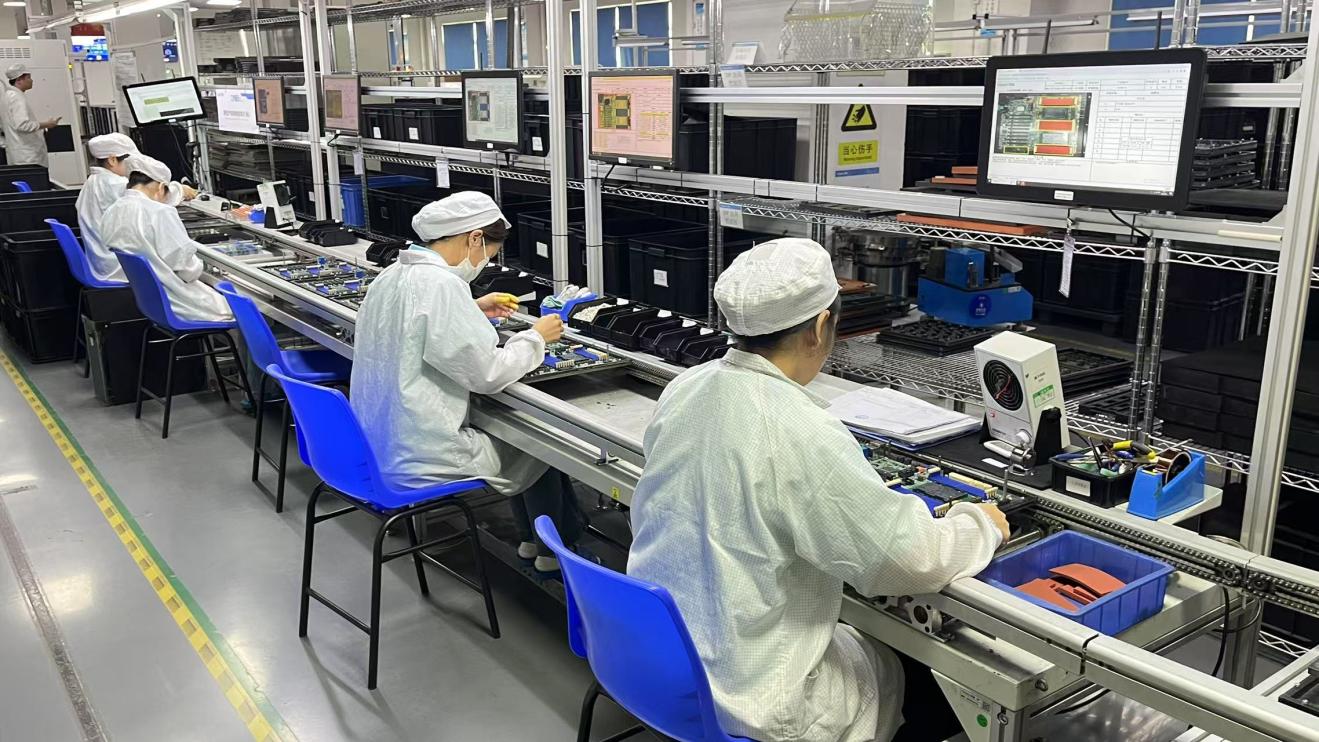
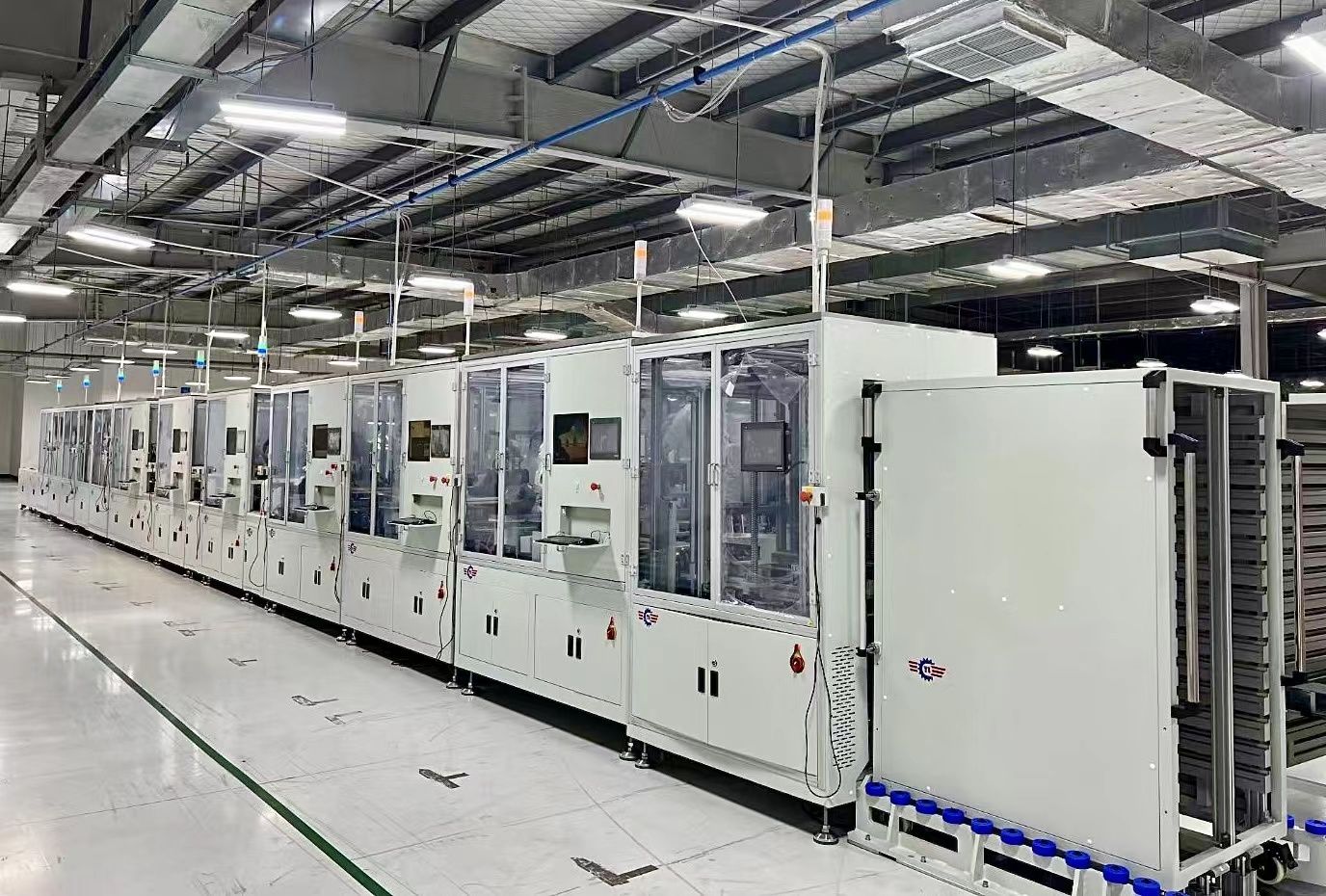
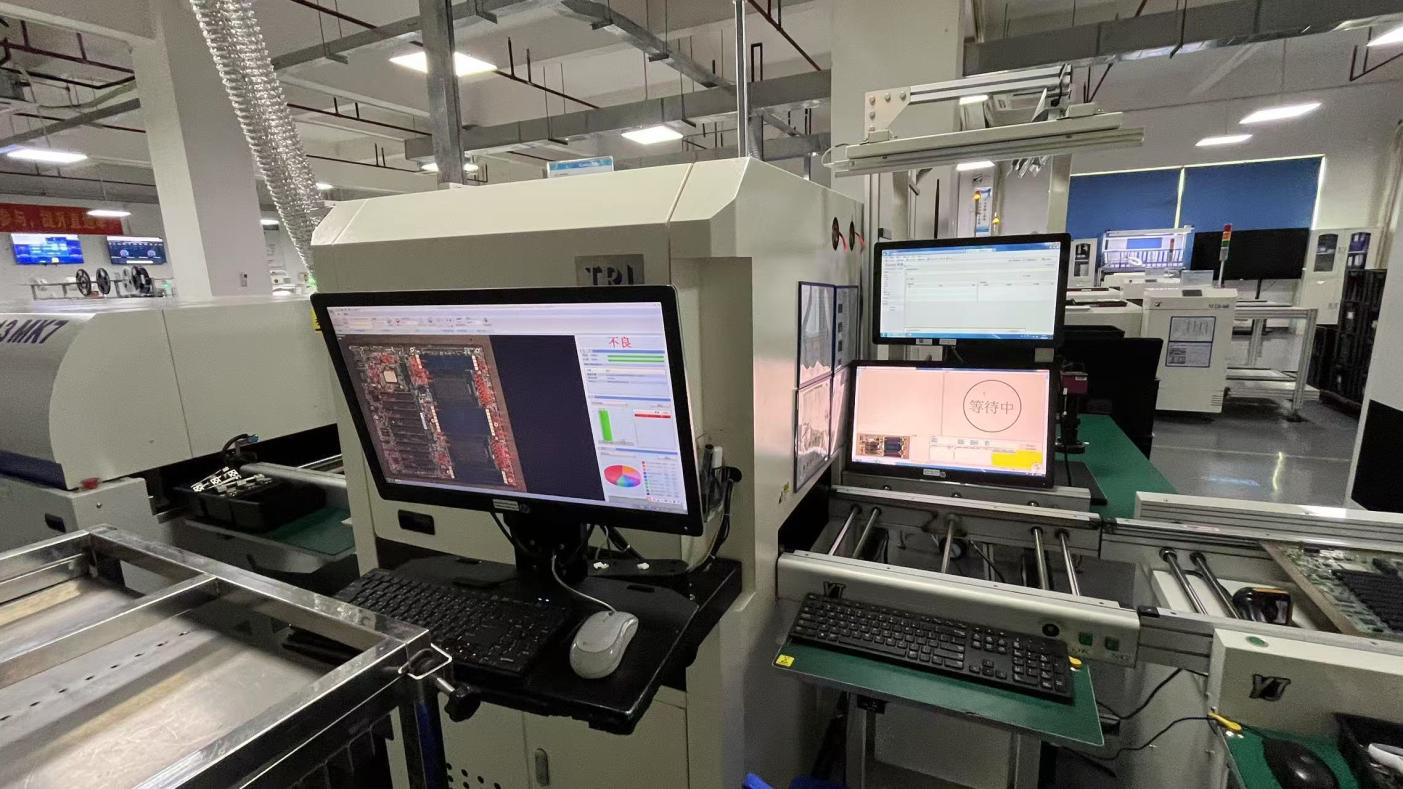
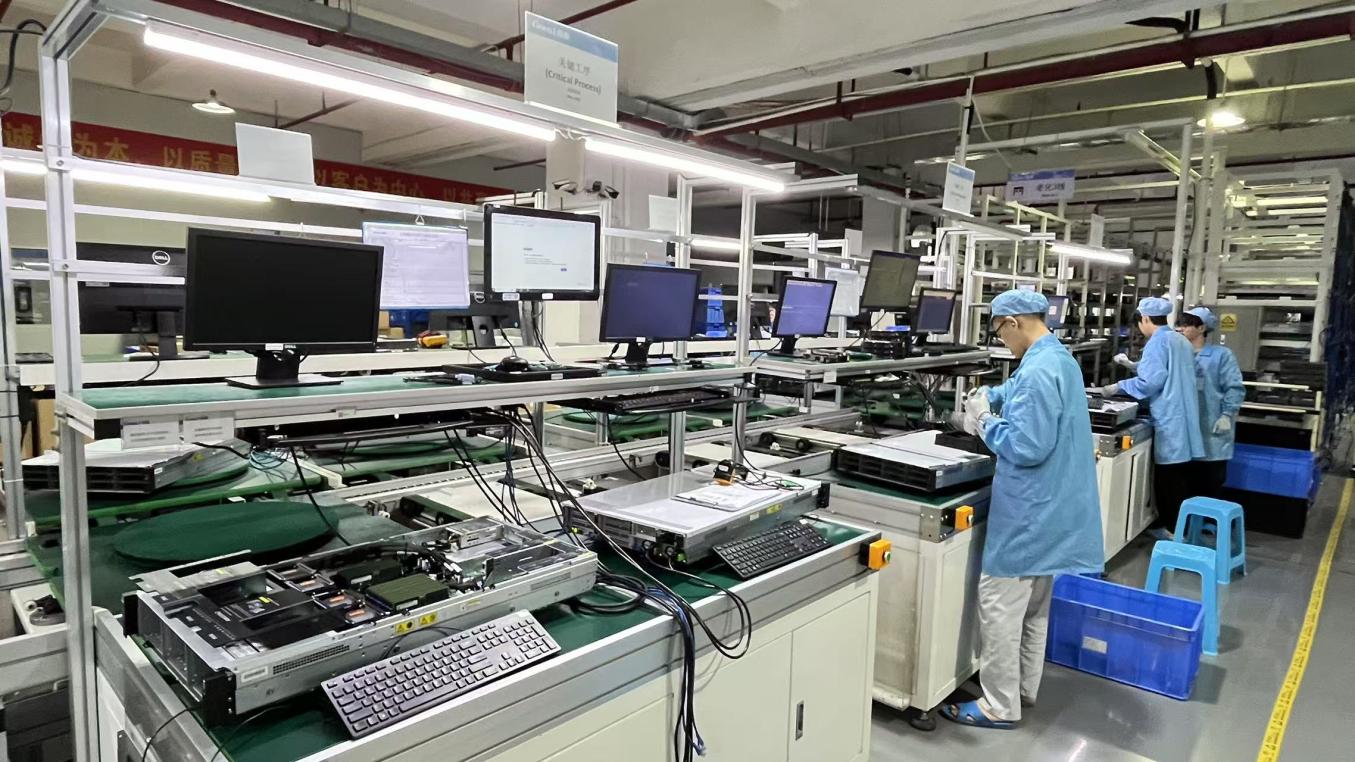
Quality assurance underpins our manufacturing. Our system-level integration process includes rigorous burn-in tests, GPU workload stress metrics, memory validation, and safety audits executed by 46 experienced QC inspectors. Below is an inside look at our advanced hardware styling, prototyping, and validation labs:

Adapting enterprise AI infrastructure to meet regional standards, languages, and operations.
| Geographic Region | UX & Software Localization | Hardware Compliance & Certifications | Power Grid Adaptability |
|---|---|---|---|
| North America | English/French BMC console, Redfish API, customized rack specifications. | FCC Part 15, UL/cUL safety standards, RoHS compliance. | 110V-220V Auto-sensing high-efficiency redundant PSUs. |
| Europe (EU & UK) | Multi-lingual admin UI (English, German, French), CE & UKCA compliant labeling. | CE, GS, RoHS, WEEE, EN 62368-1 (IT safety standard). | 230V single-phase / 400V three-phase high-density distribution. |
| Southeast Asia | English & local language translations, optimized for remote high-latency networks. | CB Certification, regional telecom licensing validation. | Tropical climate environmental resilience, 50Hz grid optimization. |
| Middle East | Tailored local support portals, high-temperature operation warnings. | SASO (Saudi Arabia), Gulf Conformity Mark (G-Mark). | High-ambient cooling layouts, dual redundancy power supplies. |
| South America | Portuguese/Spanish documentation, local distributor diagnostic suites. | ANATEL (Brazil), SEC (Chile) compatibility. | Flexible input ranges matching local utility variations. |
Addressing high-concurrency workloads, thermal efficiency, and long-term hardware reliability.
Optimized for processing heavy AI pipelines, including models like DeepSeek, LLaMA, and visual classification systems. Multi-GPU routing ensures minimum latency and maximum computational throughput.
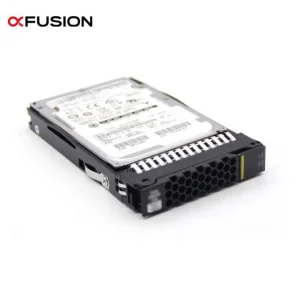
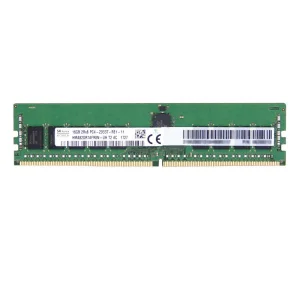
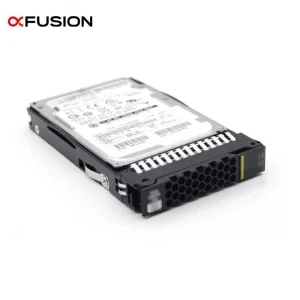
We build tailor-made storage configurations utilizing enterprise SAS HDDs and SATA read-intensive SSDs (such as the S4520 Series) to prevent bottlenecks during high-speed database requests.
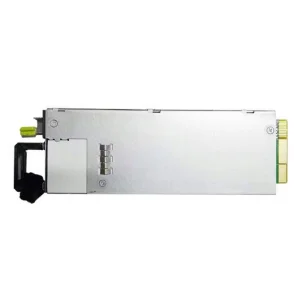
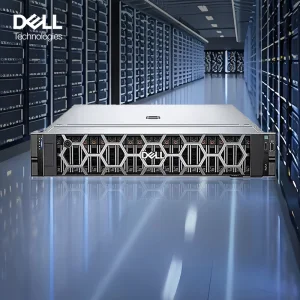
Utilizing high-grade xFusion and Dell-equivalent Power Supply Units (PSUs) featuring 80-Plus Titanium/Platinum efficiencies, ensuring system uptime during power-phase transitions.
Connect with our engineering team today to receive a free structural blueprint design matching your regional and technical power specifications.
Technical answers to critical questions regarding hardware design, procurement, and customization.
Maximize hardware utilization, input-output bandwidth, and computing performance with our enterprise components.