Aivora
Aivora
Aivora
Romania has rapidly positioned itself as a primary digital gateway in Central and Eastern Europe. With major technology corridors flourishing in Bucharest, Cluj-Napoca, Timișoara, and Iași, the nation is sustaining an unprecedented surge in digital infrastructure development. Global enterprises and local service providers alike are investing in robust local data centers to host regional software engineering frameworks, software-as-a-service (SaaS) architectures, and complex data networks. This expansion is governed by strict local regulatory frameworks, including the EU’s General Data Protection Regulation (GDPR) and NIS 2 Directive, which mandate highly secure, low-latency, and localized computing environments.
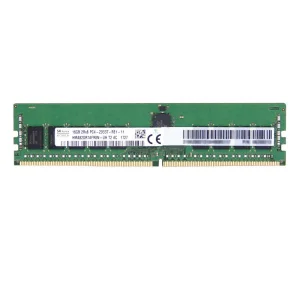
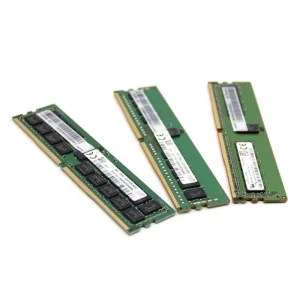
As computing requirements transition to highly complex multi-cloud and hybrid architectures, standard memory components fail to meet the rigorous metrics demanded by Romanian enterprise environments. Memory capacity and bandwidth represent major physical constraints in server performance. Whether deploying virtualization layers, processing real-time analytical workloads, or managing large-scale database repositories, the selection of premium ECC (Error-Correcting Code) Registered RAM (RDIMM) determines both system stability and computational output.
"The modern digital infrastructure of Romania demands high-density, fault-tolerant system memory to mitigate virtualization bottlenecks and prevent costly system downtime. Finding a reliable exporter that matches high manufacturing standards with strict EU compliance is a core strategic priority."
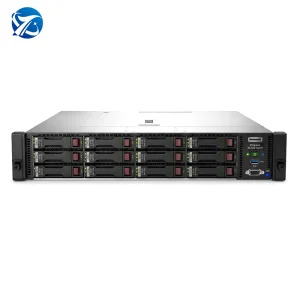
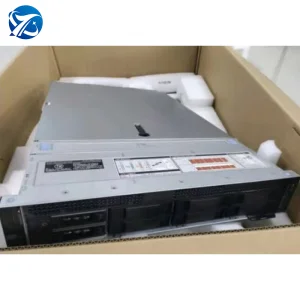
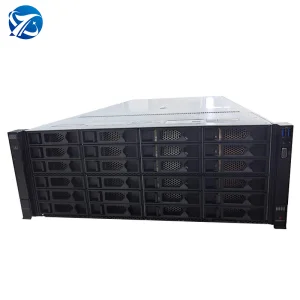
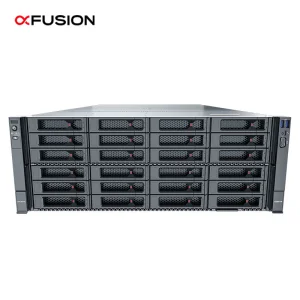
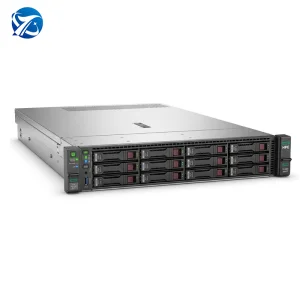
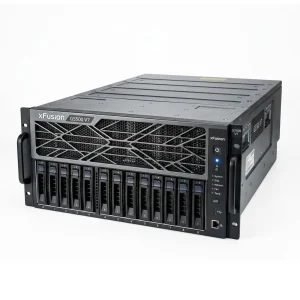
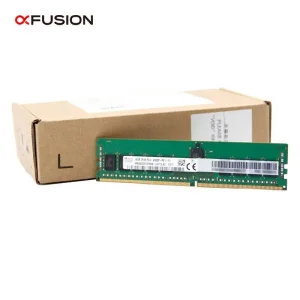
In modern rackmount platforms (such as 1U/2U configurations built on HPE ProLiant, Dell PowerEdge, or XFusion architectures), memory sub-systems require specific engineering designs to operate under high workloads. Here, we analyze the key differences and design variables that define enterprise-grade memory:
Voltage & Efficiency: High-performance DDR4 RDIMMs typically run on 1.2V. DDR5 modules decrease this operating voltage to 1.1V. When computed at a macro scale—such as across clusters containing hundreds of nodes—this voltage reduction yields a notable decline in power consumption and thermal load, lowering total operational costs.
Error-Correcting Code (ECC) and Registered Design (RDIMM): Standard UDIMMs lack buffer systems, rendering them prone to signal degradation at higher densities. Enterprise-grade RDIMMs employ a Registered Clock Driver (RCD) chip that buffers address and control lines, preserving signal clarity. Crucially, the ECC architecture detects and dynamically corrects single-bit errors. This mitigates the risk of silent data corruption (SDC), which can compromise database structures and cause unanticipated system failures.
Memory modules must be matched to the specific workloads of different local industries. The following use cases highlight the diverse hardware demands of Romania's business ecosystems:
Sourcing server memory directly from Chinese manufacturing centers offers clear cost and customization benefits to Romanian system integrators and IT buyers. High-tier server platforms often require specific memory timing configurations, custom labeling, and high thermal performance. Sourcing directly from manufacturers like Aivora Technology Co., Ltd. allows buyers to bypass intermediaries and procure units engineered to exact operational parameters.
A direct supply chain ensures reliable lead times and gives buyers access to technical customization, such as system validation with legacy rack servers. By managing component selection, testing, and distribution under one process, manufacturers can maintain consistent product quality and help buyers control their total cost of ownership (TCO).
Aivora Technology Co., Ltd. designs and builds server memory solutions for demanding computing environments. Operating from a modern facility in Shenzhen, China, the company integrates advanced production lines with comprehensive testing frameworks to deliver reliable hardware.
Every memory module undergoes a multi-stage testing process before shipment. This includes component verification, compatibility testing across different server models, and burn-in testing to verify long-term stability. The quality control process is managed by 46 inspectors who verify that all products meet international performance and reliability standards.
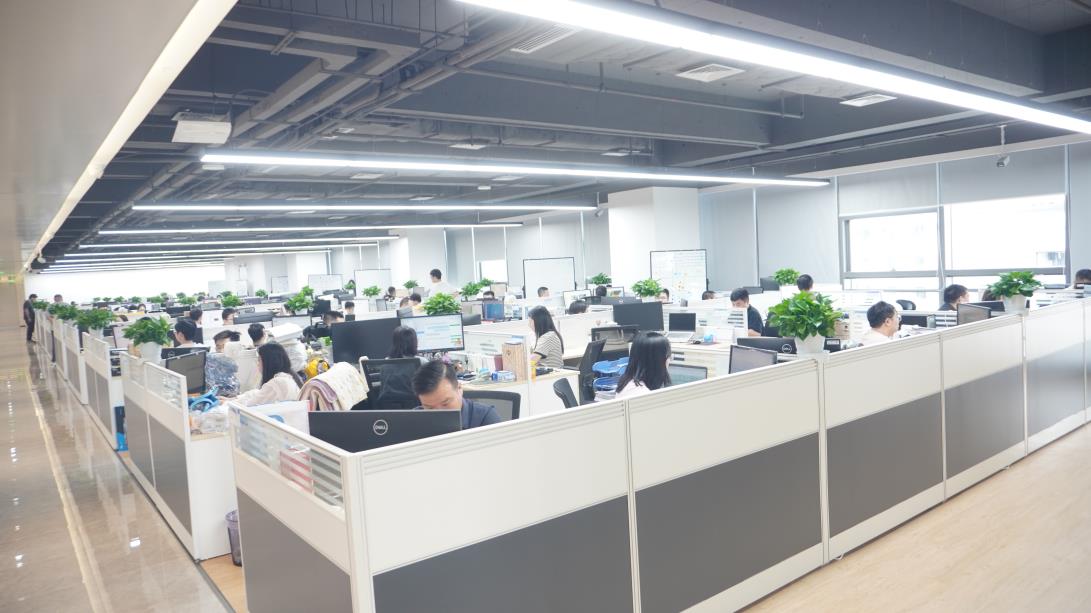
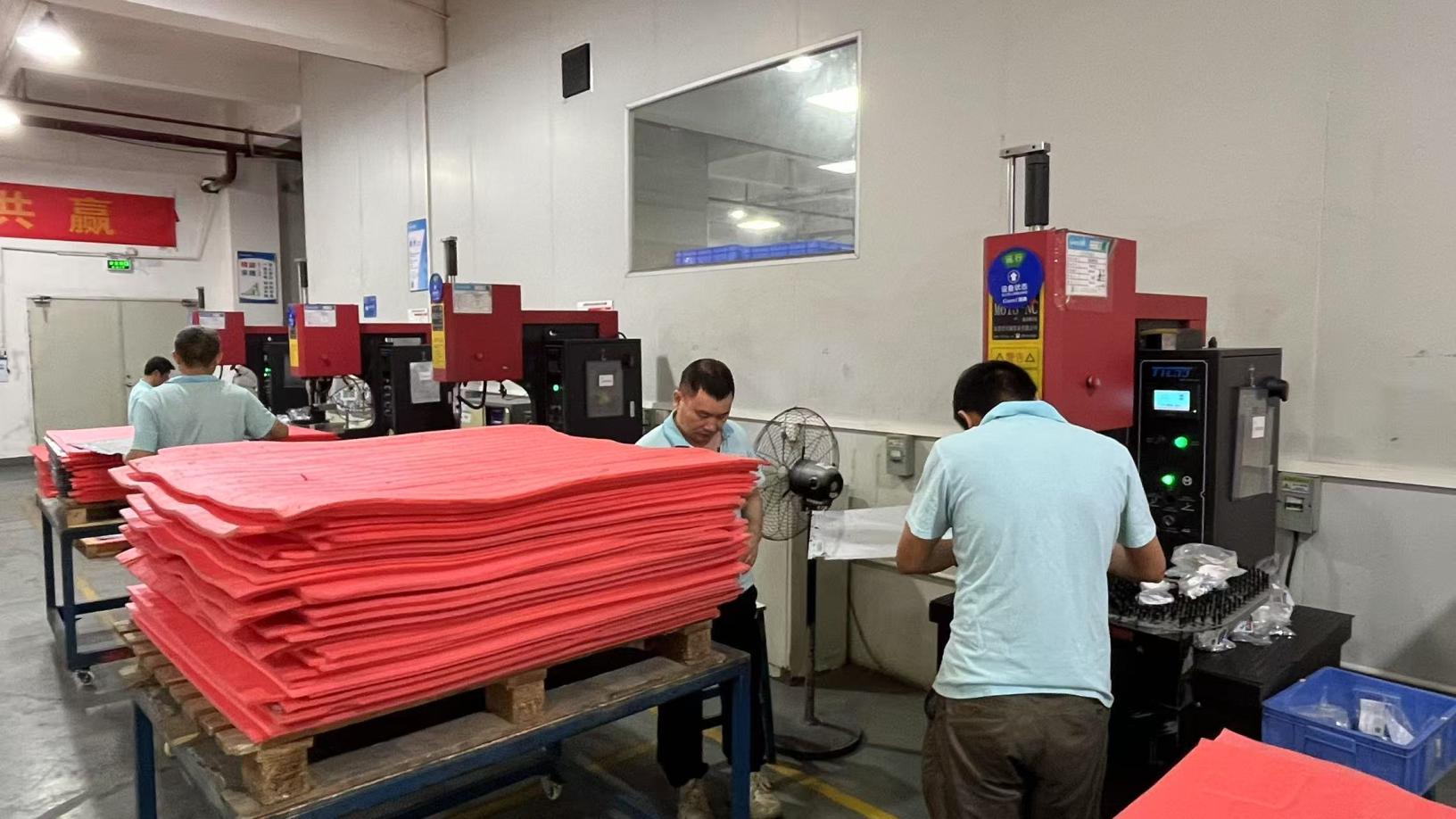
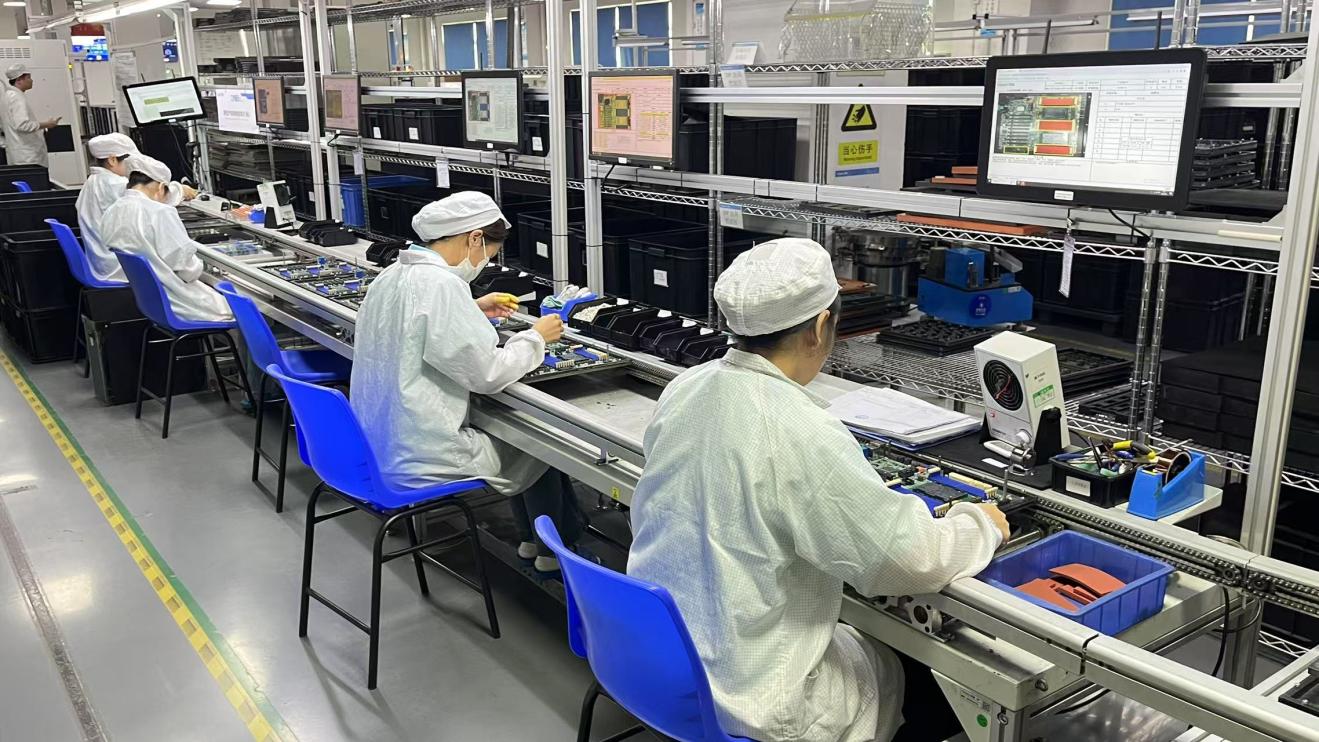
Aivora's R&D team of 128 engineers continuously updates the product portfolio to support changing memory technologies, including DDR5 and high-bandwidth options for GPU systems. This development process helps us provide system integrators in Europe and other regions with reliable, high-performance memory modules.
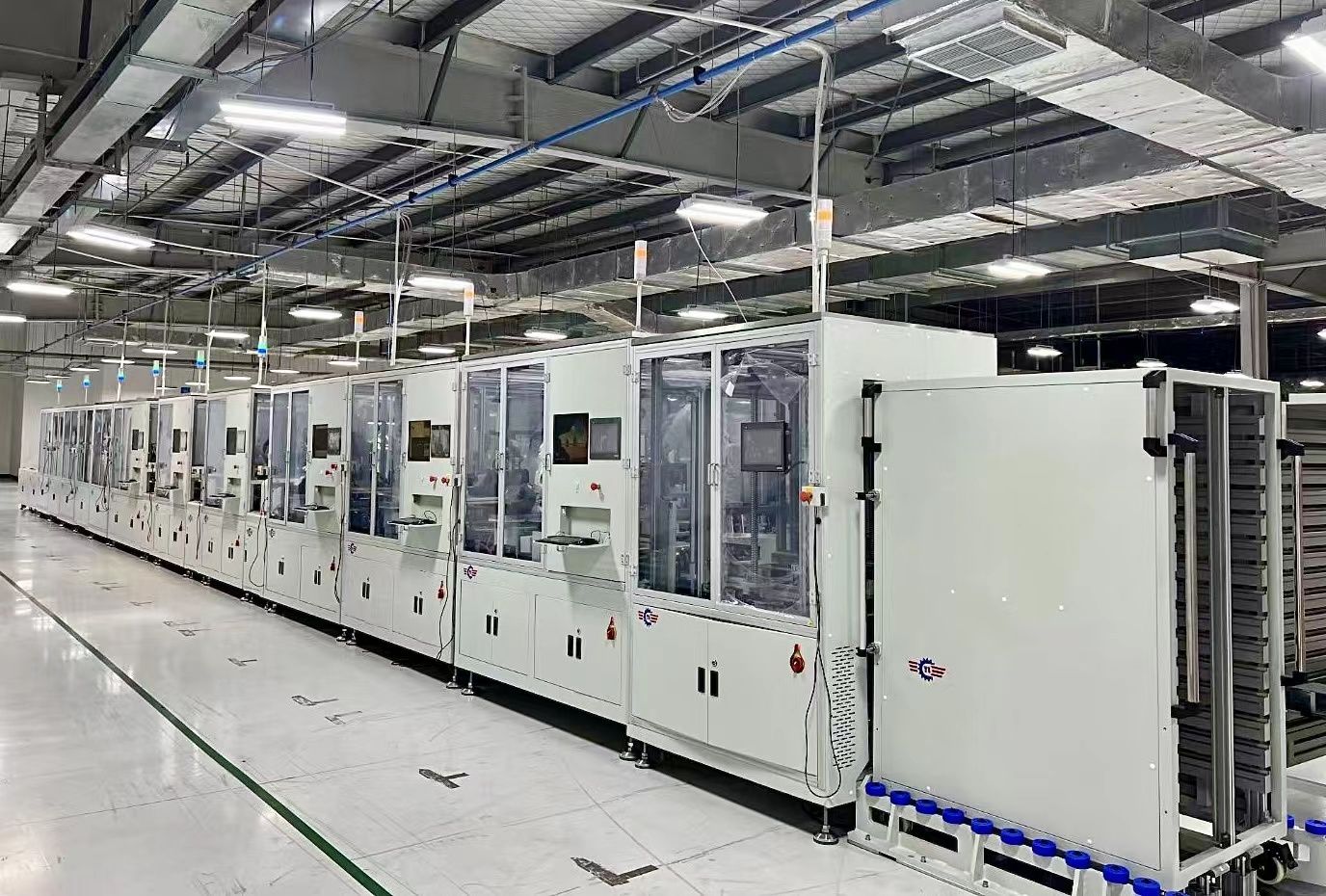

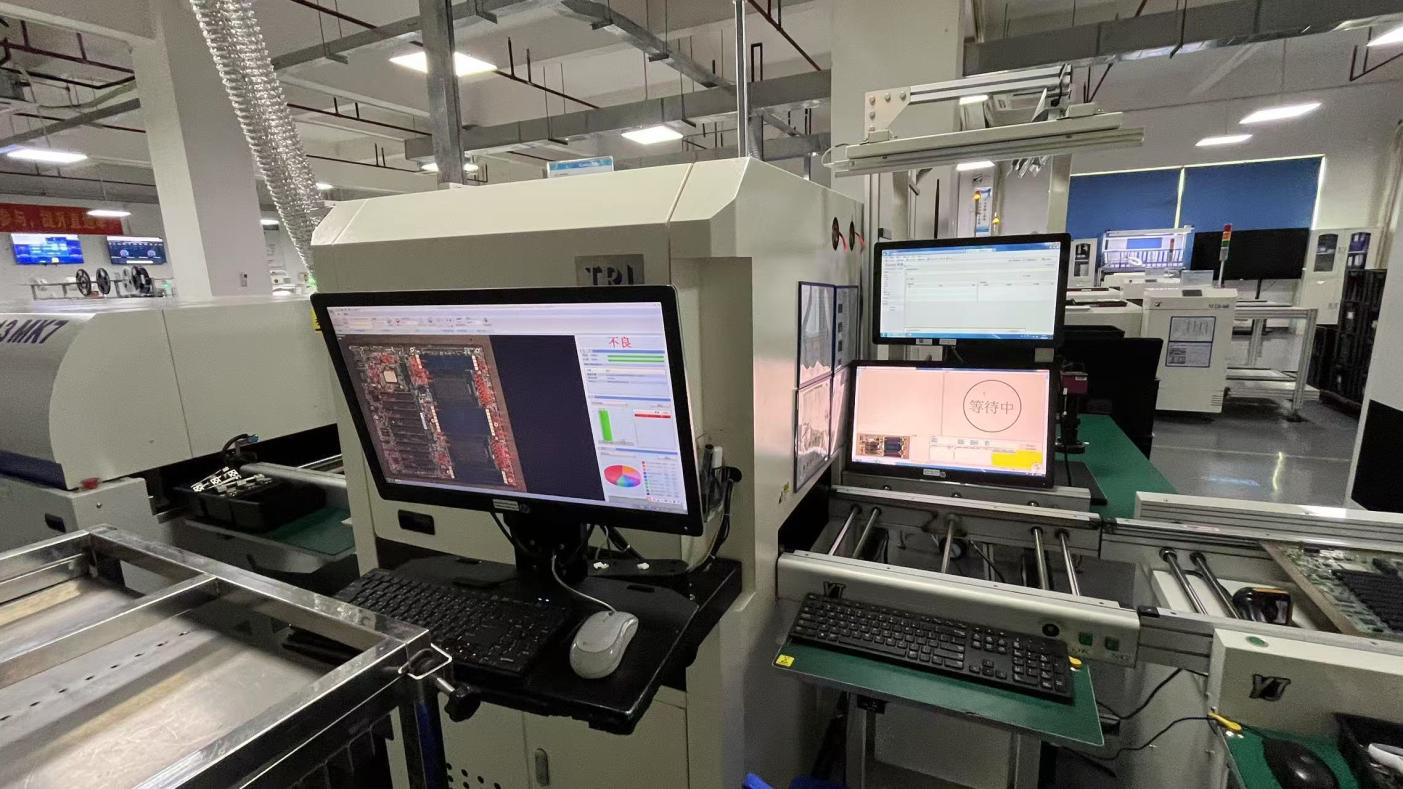
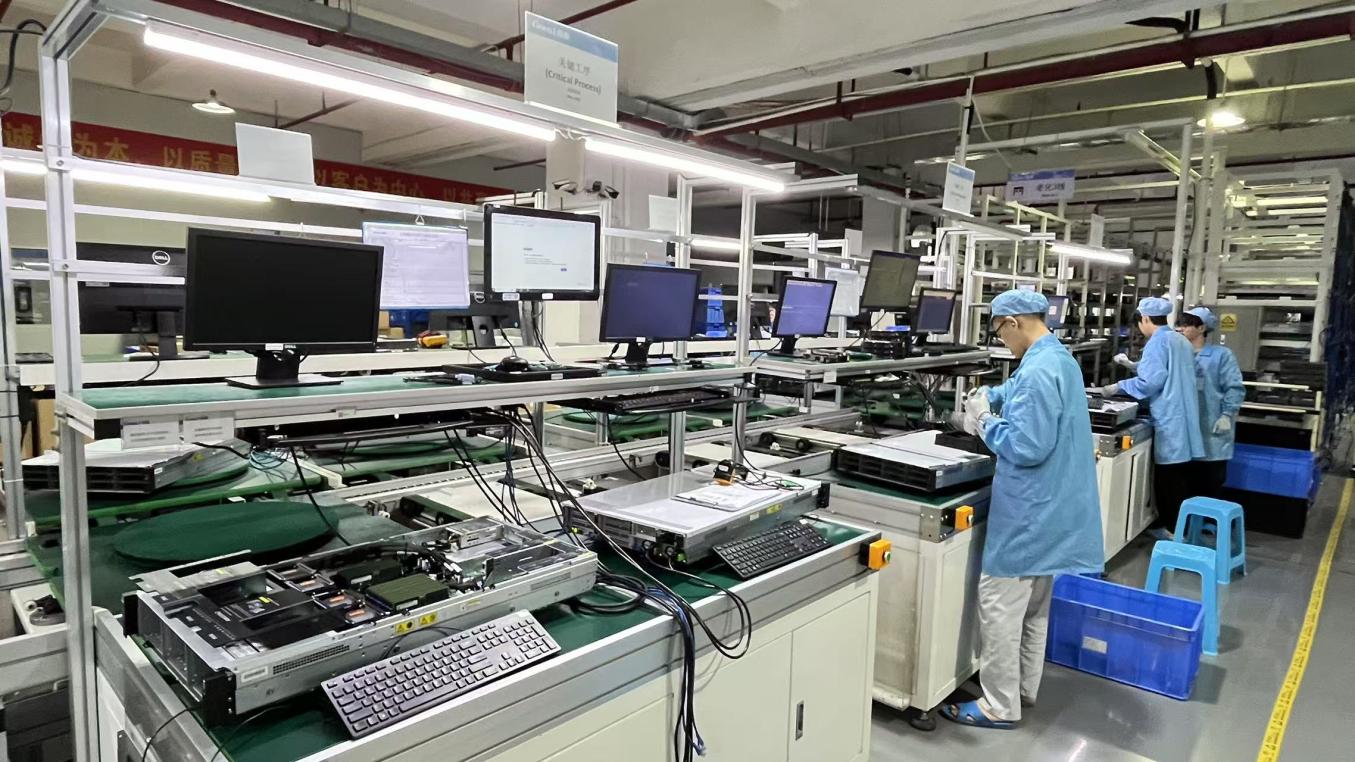
We manufacture our modules using high-grade components from primary chip makers (Samsung, SK Hynix, Micron) and test them on target platforms from brands like HPE, Dell, and XFusion. This process helps ensure that our memory meets the timing, voltage, and SPD profile requirements of these systems.
ECC Registered RAM (RDIMM) features a Registered Clock Driver (RCD) that buffers data signals, allowing for larger capacities per channel. The ECC mechanism also identifies and corrects single-bit errors, helping to prevent data corruption and unexpected system halts.
We offer air and ocean shipping options from our Shenzhen facility to major cities in Romania, including Bucharest, Cluj-Napoca, and Constanța. All shipments include proper customs documentation and tracking.
Yes, our factory provides OEM/ODM services. We can configure modules with custom specifications, branding, and labels to meet specific project guidelines.