Aivora
Aivora
Aivora
Explore our selected high-reliability server platforms, memory configurations, and high-performance network interface cards.

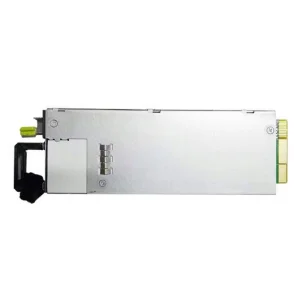
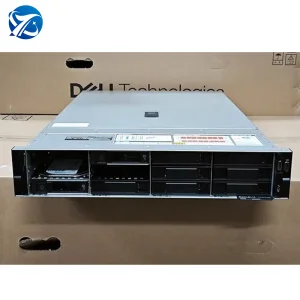
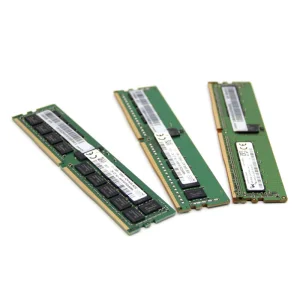
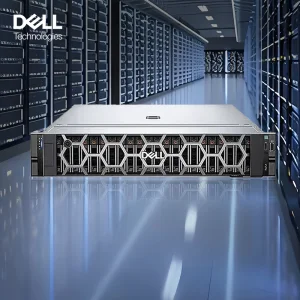
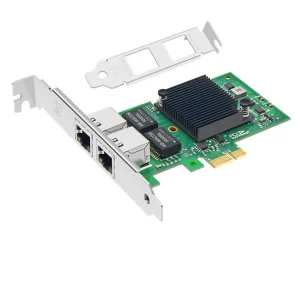
As artificial intelligence models grow exponentially and hyperconverged databases process exabytes of real-time queries, the bottleneck of the enterprise server is no longer just CPU compute cycles. The modern challenge lies in the efficiency, throughput, and latency of network interconnects. High-performance Network Interface Cards (NICs), SmartNICs, and host channel adapters act as the primary physical gateway orchestrating cluster communication.
For cloud service providers, financial engines, and deep-learning training labs, picking trusted network card suppliers is a strategic capital expenditure. Standard Gigabit Ethernet is obsolete in the enterprise domain, having been replaced by 10GE, 25GE, and high-frequency 100GE/200GE optical transceivers. These cards deploy technologies like RoCE (RDMA over Converged Ethernet) to bypass host operating systems, routing memory-to-memory data packets directly between cluster nodes. This cuts latency down to single-digit microseconds, a fundamental requirement for scaling deep learning architectures like DeepSeek and modern LLMs.
Simultaneously, the synchronization between processing and local storage relies heavily on advanced controller systems. Specialized enterprise boards like the 9540-8i RAID Controller Card represent this integration, operating over PCIe 4.0 lanes to manage SAS/SATA/NVMe traffic. By distributing computing demands off the main motherboard chipsets, modern networking and storage cards optimize thermal parameters and ensure non-blocking packet transfer.
Aivora Technology Co., Ltd. delivers high-performance GPU server solutions, AI computing infrastructure, and customized network systems for global enterprises.
Established in 2018 in the technology hub of Shenzhen, China, Aivora Technology Co., Ltd. has grown into a premier manufacturer of high-performance GPU servers and AI computing platforms. Operating a modern 386-square-meter facility, we integrate cutting-edge testing and quality management systems to produce robust hardware capable of handling massive computing tasks. With a foundation built on 14 years of industry expertise and over 8 years of export experience, we are dedicated to providing the global market with reliable computing components and enterprise systems.
Our product portfolio ranges from specialized GPU inference servers to complex cluster storage architectures. Backed by 128 experienced R&D engineers, Aivora operates at the frontier of hardware development, having successfully introduced 186 new product designs in the past year alone. By maintaining strategic relationships with 1,250 supply chain partners, we ensure stable raw material acquisition, fast manufacturing cycles, and competitive pricing structures.
Quality remains our core value. Every component, including server network cards, memory modules, power units, and RAID controllers, goes through intensive functional testing. Under the supervision of 46 professional quality inspectors, Aivora conducts rigorous burn-in testing, thermal performance validation, and power consumption profiles before export. Generating an annual export volume of over USD 18 million, Aivora supports enterprise clients in North America, Europe, Southeast Asia, South America, and the Middle East.
Aligning network adapter performance with the needs of modern industrial, scientific, and enterprise infrastructures.
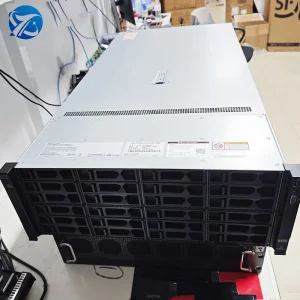
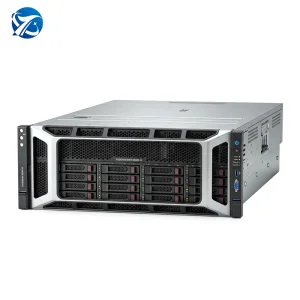
Training massive language models requires multi-node GPU clusters. Without low-latency RoCE support on network interfaces, GPUs experience waiting idle times. Our network solutions facilitate fast communication inside systems like the FusionServer G8600 V7 8U GPU Cloud Server.
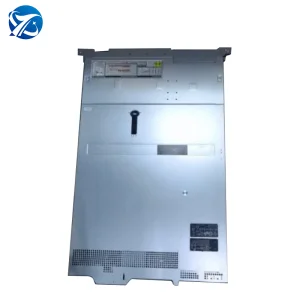
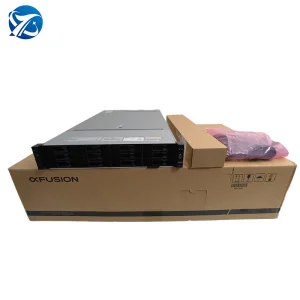
HCI blends compute, storage, and networking into single units. Highly integrated platforms such as the xFusion 2288H V7 rely on consistent 2*10GE interfaces and high-speed SAS storage links to prevent bottlenecks between clustered nodes.
Smart City nodes process high-definition, multi-channel camera feeds. The AI Inference G5200 V5 system deploys local GPU acceleration coupled with optimized network cards to stream, infer, and report edge analytics without backhaul lag.
The networking industry is moving towards the adoption of PCIe Gen 5.0 and Gen 6.0 interfaces. These standards offer double the bandwidth of previous generations, enabling network cards to support transfer rates of 400Gbps and 800Gbps. This development helps prevent data congestion at the server bus level, keeping pace with modern CPU and memory developments.
Furthermore, the integration of CXL (Compute Express Link) protocol over the physical PCIe interface is reshaping data center architectures. CXL allows CPU, memory expansion modules, and high-performance network adapters to share a unified memory pool, reducing latency and simplifying resource sharing.
In addition, SmartNICs are transitioning into fully programmable DPUs (Data Processing Units). By offloading host security, storage virtualization (NVMe-oF), and software-defined networking rules, the DPU frees up server CPU cores to handle application workloads, improving efficiency and reducing power usage.
| Technology Gen | Max Bandwidth per Lane | Key Protocols | Primary Applications |
|---|---|---|---|
| PCIe 3.0 | 8 GT/s (~985 MB/s) | TCP/IP, standard RDMA | 10G/25G Adapters, SAS RAID |
| PCIe 4.0 | 16 GT/s (~1.97 GB/s) | RoCE v2, NVMe-oF | 100G NICs, Gen 4 GPU Racks |
| PCIe 5.0 | 32 GT/s (~3.94 GB/s) | CXL 1.1/2.0, RoCE v2 | 200G/400G NICs, DDR5 Platforms |
| PCIe 6.0 | 64 GT/s (~7.88 GB/s) (PAM4) | CXL 3.0, Ultra Ethernet | 800G Adapters, AI Clusters |
Operating a global supply chain requires strict quality control systems and adherence to international compliance frameworks.
Selling enterprise network cards and hardware worldwide demands strict compliance with regional standards. Aivora's components are certified under standard regulatory requirements, including CE (European Union), FCC (United States), and RoHS (environmental restriction of hazardous substances), ensuring our products meet safety and eco-friendly standards globally.
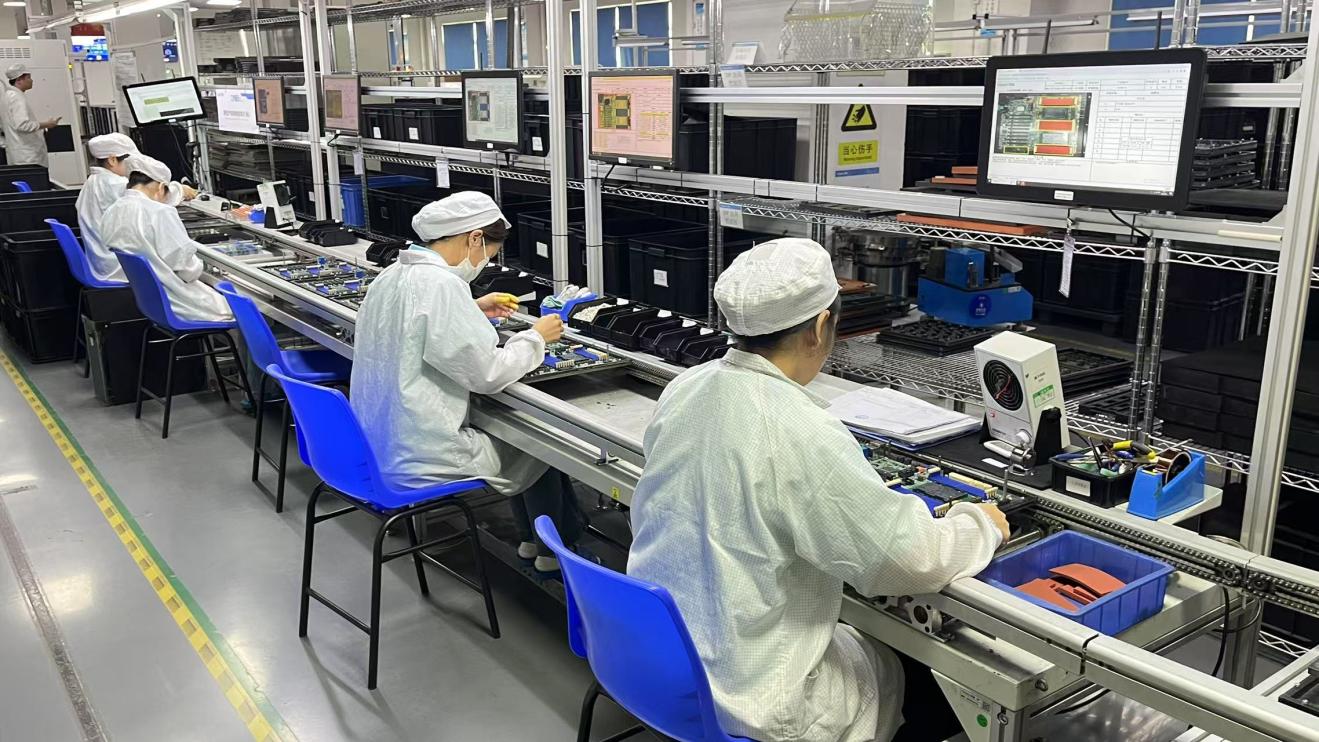
Our Quality Inspection center forms the core of our operations. It consists of 46 certified QC inspectors who monitor each phase of our production:
Different regions require specific configuration setups for network adapters:
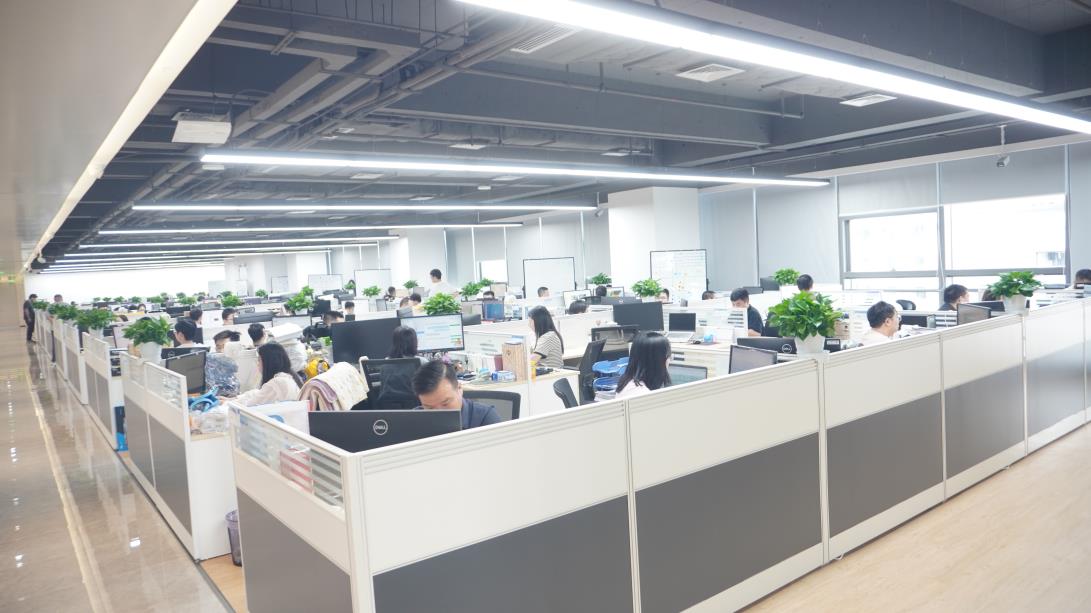
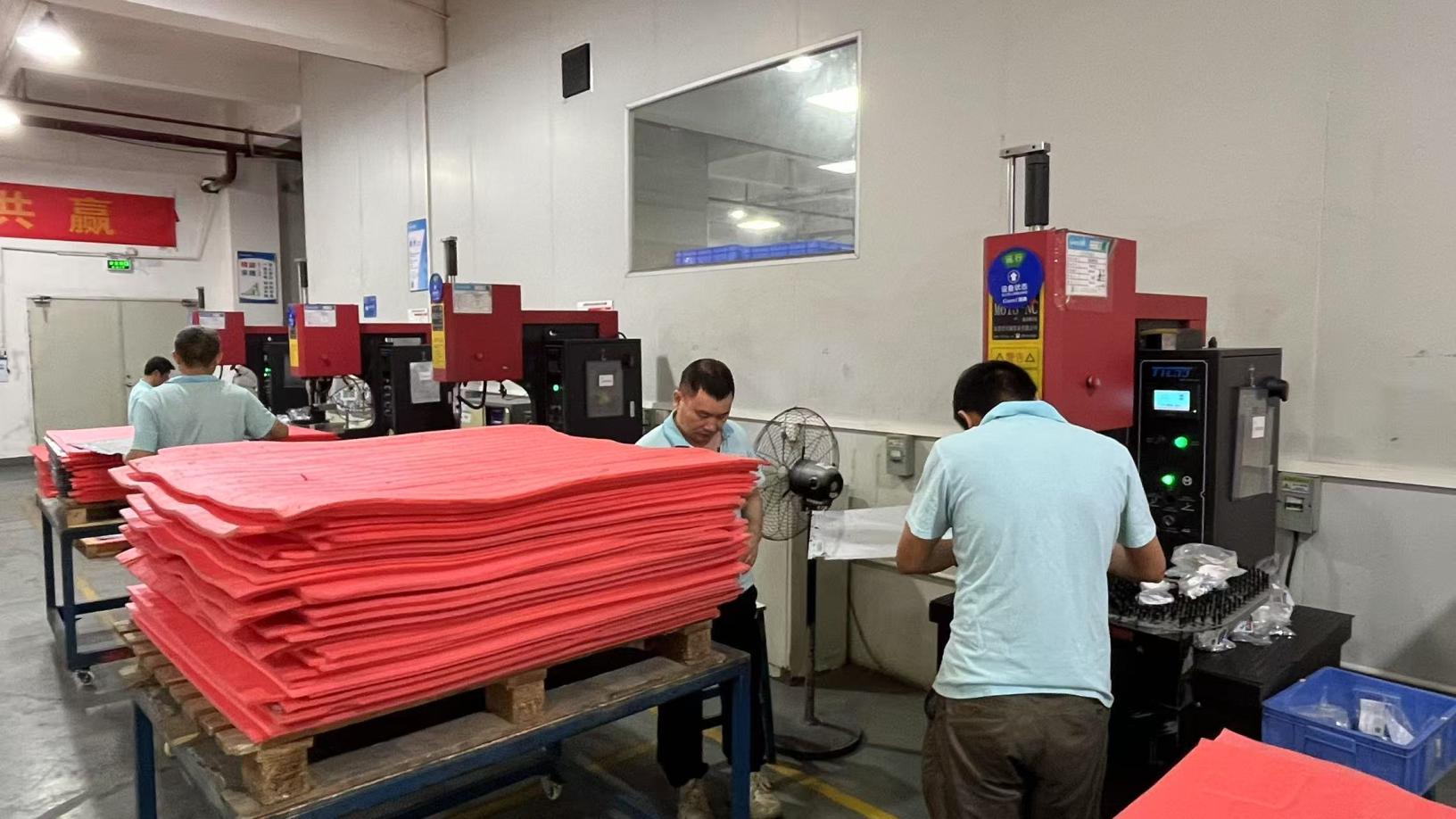
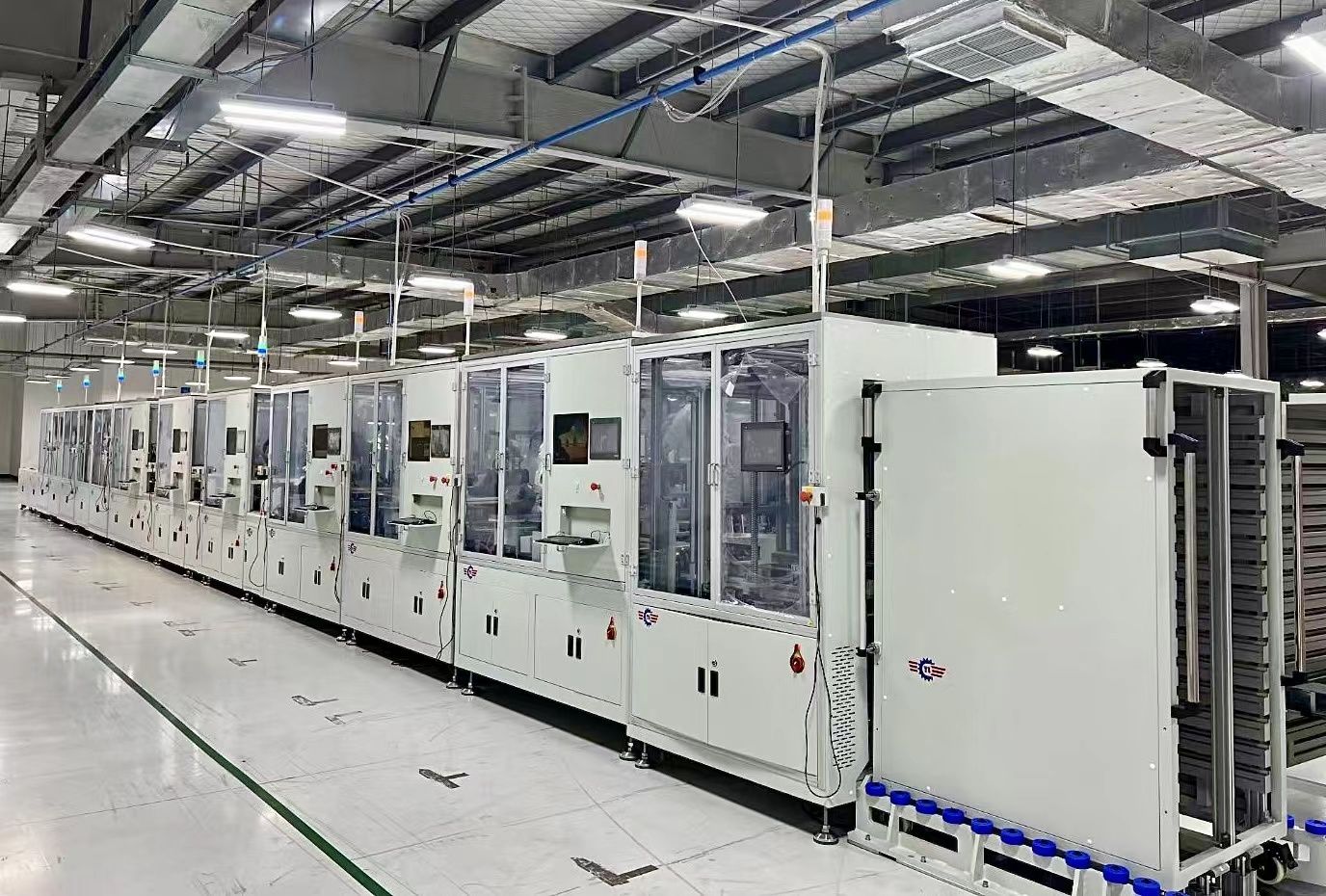
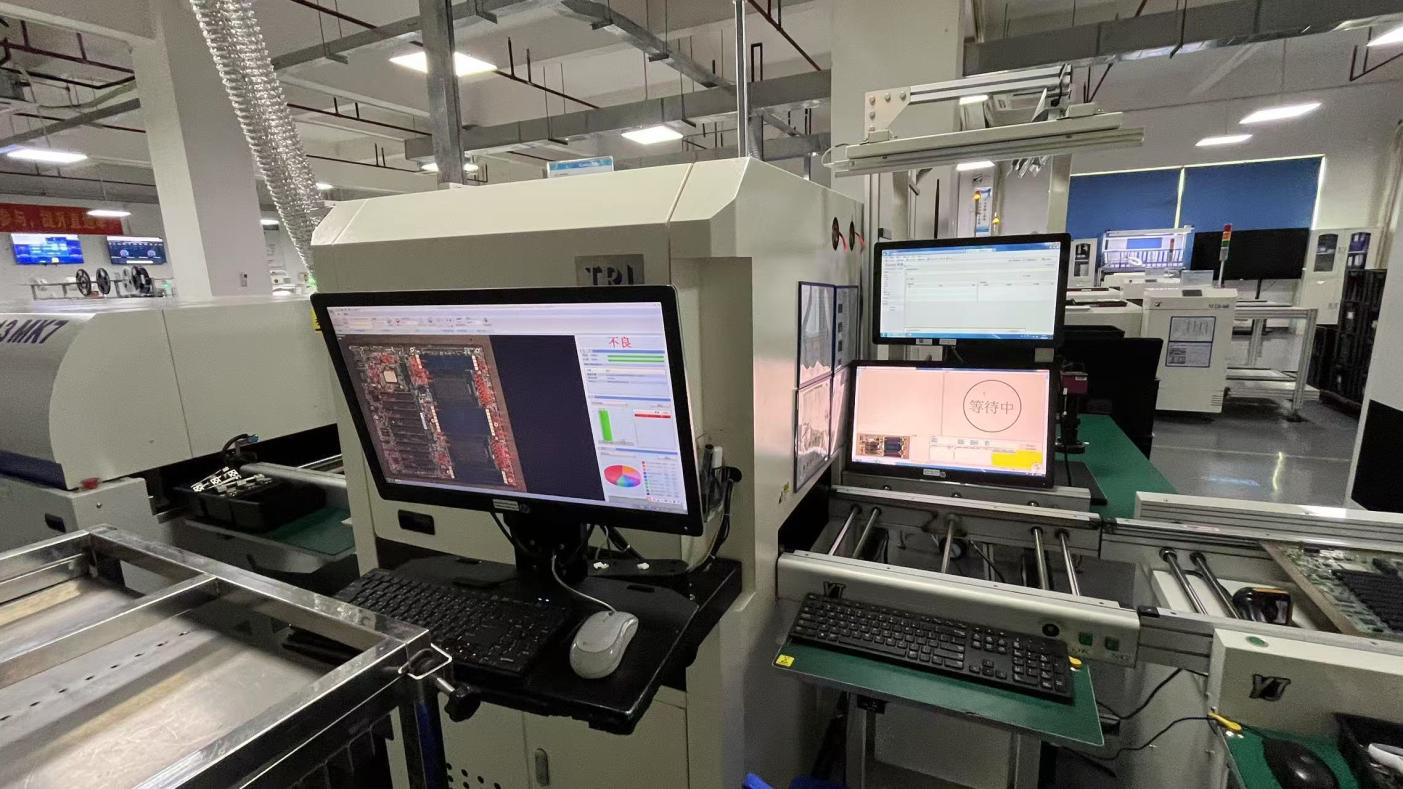
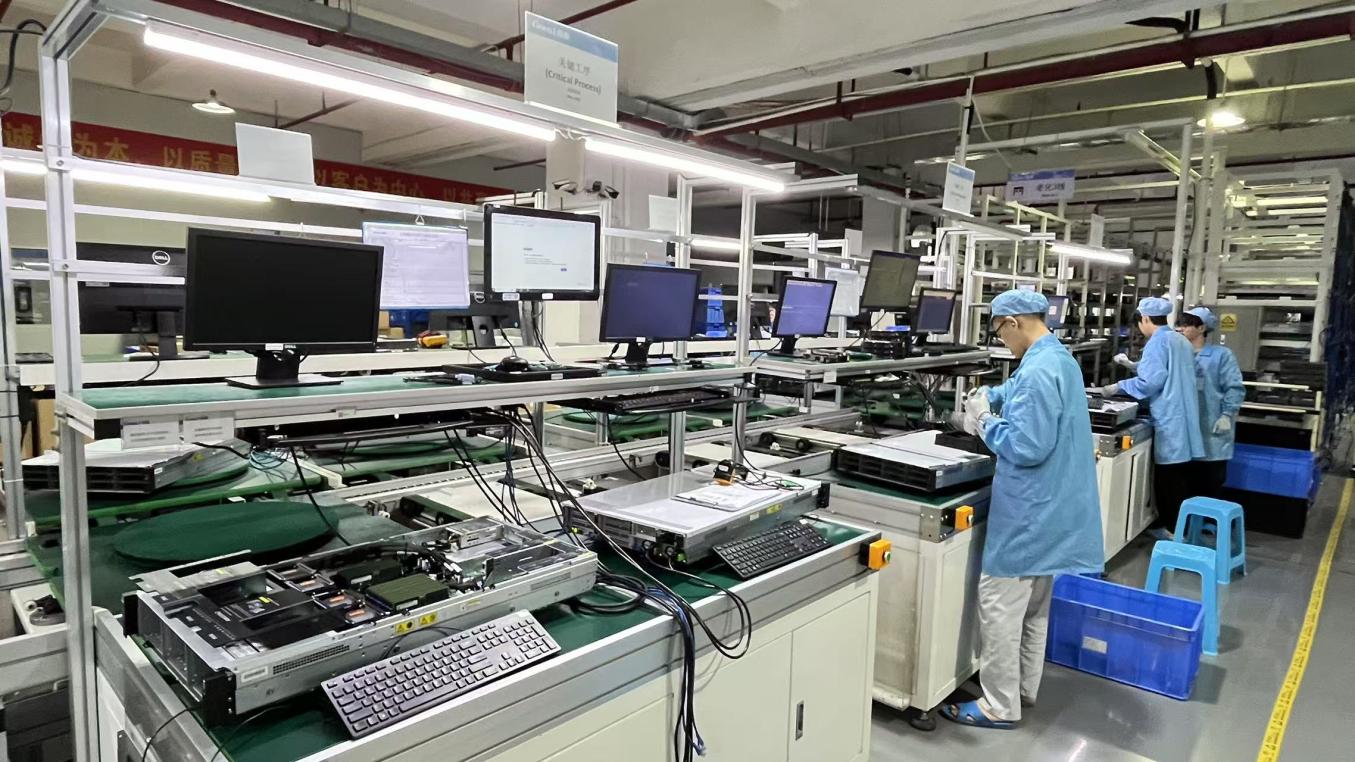
A look at Aivora's manufacturing infrastructure, engineering offices, and quality validation facilities.

In-depth technical answers addressing network cards, storage controllers, and server configuration requirements.
Standard network cards process only the physical layers and basic frame transfers, passing all packet processing workloads up to the host CPU. In contrast, SmartNICs feature onboard processing cores (ARM/FPGA/ASIC) designed to offload tasks like OVS routing, encryption, firewall monitoring, and RDMA over Converged Ethernet (RoCE) directly on the network card, freeing up server CPU resources.
RoCE (RDMA over Converged Ethernet) allows GPUs to access memory on other nodes directly across the Ethernet network without involving the operating system or local CPU. By bypassing these software layers, network latency is reduced to microseconds, enabling faster distributed training speeds in systems like the xFusion G8600 V7 8U GPU Cloud Server.
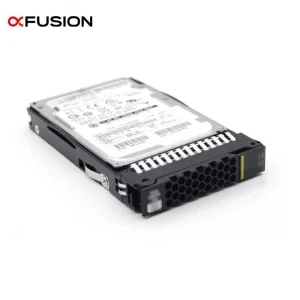
The 9540-8i RAID card connects to the motherboard via a PCIe 4.0 x8 slot and provides 8 internal SAS/SATA ports. It manages data transfers at speeds up to 12Gb/s for SAS drives and 6Gb/s for SATA drives, routing data from SAS HDD universal drives to the CPU, while offloading RAID calculation tasks.
Our engineering team supports hardware customization, including custom chassis design, network interface configurations, GPU orientation setups, custom BIOS firmware, and the integration of specialized network card chips to meet specific infrastructure needs.
Complete your deployment with our range of high-density AI servers and storage infrastructure.