Aivora
Aivora
Aivora
Analyzing the paradigm shift from traditional rack-mount chassis to dense, software-defined computing ecosystems that drive the modern digital revolution.
Over the last decade, enterprise compute demands have transitioned from basic transactional database management to deep learning training, AI inference, and large-scale data storage orchestration. To keep pace with these data-intensive workloads, modern IT departments are abandoning fragmented legacy systems. In their place, they are adopting consolidated architectural platforms commonly referred to as Fusion Servers.
Fusion Servers integrate computing power, high-performance storage pools, network fabrics, and virtualization controllers into unified, dense chassis configurations. By leveraging next-generation interconnect protocols like CXL (Compute Express Link), PCIe Gen 5, and unified memory buses, Fusion Servers drastically reduce latency while maximizing bandwidth across nodes. This architecture allows organizations to run complex artificial intelligence algorithms, manage petabytes of unstructured NAS data, and execute compute-heavy calculations within an energy-efficient envelope.
This industry-wide shift has created a highly competitive global manufacturing landscape. Today's leading Fusion Server manufacturers do not simply assemble commodity motherboards and standard rack chassis. Instead, they provide deep research and development, custom thermal dissipation mechanisms, optimized BIOS/firmware interfaces, and rigorous security features embedded at the hardware level.
Whether deploying local hyperconverged infrastructure (HCI) cluster environments or routing cloud-edge computing systems for remote operations, choosing the right manufacturer is a critical strategic decision. Enterprise buyers must balance processing capabilities against local regulatory compliance, long-term technical support, and component availability.
Evaluating enterprise-grade hardware requires assessing structural parameters that directly impact return on investment (ROI), uptime, and computing efficiency.
High-density architectures, such as 1U or 2U multi-socket rack nodes, allow companies to maximize processor density per rack unit. Modern systems must support double-width GPUs, fast PCIe 5.0 lanes, and multi-channel DDR5 DIMMs operating up to 6400MT/s to prevent processing bottlenecks.
AI workloads generate immense heat. Manufacturers must implement advanced fluid mechanics, smart variable-speed fan controllers, and high-efficiency liquid cooling loops. Power distribution units (PDUs) must offer titanium-grade redundancy to prevent system interruptions.
Modern platforms require a silicon root of trust, secure boot protocols, and encrypted storage controller configurations. Safeguarding data at rest and in transit through cryptographically signed firmware is a critical factor for compliance audits.
| Manufacturer Category | Primary Architecture Strengths | Target Applications | Supply Chain Lead Times | Cooling Paradigms |
|---|---|---|---|---|
| Tier-1 Global Brands (Dell, HPE, Lenovo) | Broad multi-socket configurations, proprietary management controllers (iDRAC/iLO), comprehensive ecosystems. | Enterprise ERP, hyperconverged virtualization, legacy database operations. | 4–8 Weeks | Air-Cooled (Standard), Custom liquid loops for high-end racks. |
| Hyperscale Specialized (xFusion, Inspur, Supermicro) | High density GPU nodes, flexible modular designs, accelerated validation for modern LLM framework structures. | Artificial Intelligence model training, DeepSeek systems, massive virtualization arrays. | 3–6 Weeks | Hybrid Cold Plate Liquid Cooling, High-Velocity redundant fans. |
| Agile R&D Innovators (Aivora Technology) | Rapid OEM/ODM component customization, deep GPU configuration choices, bespoke chassis layouts. | Deep Learning, industrial computer vision platforms, AI startup labs. | 2–4 Weeks | Highly customizable thermal flow paths, optimized high-wattage PSUs. |
A structured breakdown of the market leaders providing computing platforms for high-performance computing (HPC) and artificial intelligence.
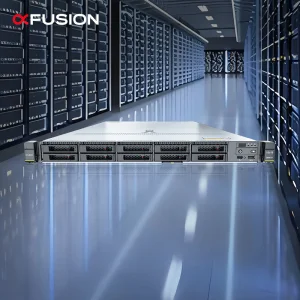
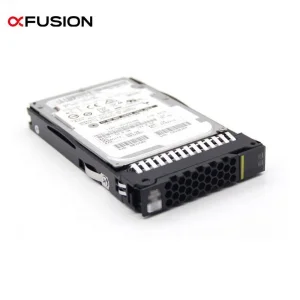
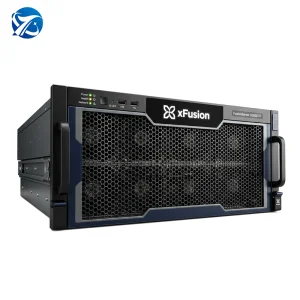
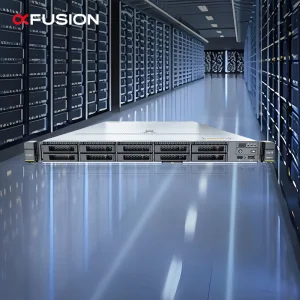
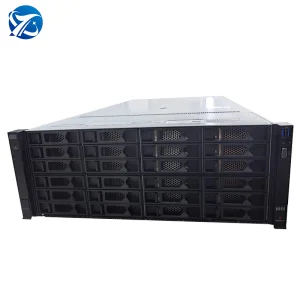
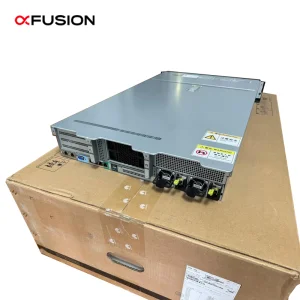
xFusion has established itself as a premier provider of high-reliability, enterprise-grade hardware infrastructure. Spun off from Huawei's x86 server business, the company produces the popular FusionServer series, including the flagship 1288H V7 and G5500 V7 platforms. Their systems are characterized by excellent power efficiency, intelligent lifecycle management, and high compute density, making them highly popular for big data analytics and virtualization arrays.
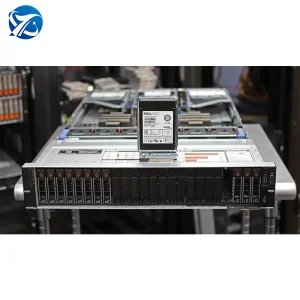
Dell's PowerEdge portfolio (such as the R350, R750, and R760 series) remains a global standard for datacenter performance. Incorporating iDRAC management systems, Dell's Fusion and hyperconverged infrastructure (HCI) offerings provide reliable security and easy administration. Their robust distribution network ensures consistent post-sales service and components availability across major continents.
HPE ProLiant and Apollo series are synonymous with modular scalability. HPE's Fusion architecture integrates their InfoSight AI-driven management framework, which predicts and resolves hardware issues before they cause downtime. Their systems are highly favored by financial institutions and government agencies that require high security and reliable compliance.
As a leading hyperscale data center server provider, Inspur dominates massive AI computing cluster deployments. Their multi-node servers offer exceptional performance-per-watt metrics. They cooperate closely with chip manufacturers to optimize systems for large language model (LLM) training and cloud deployment.
Supermicro is known for its Building Block Solutions approach, which allows for rapid customization of motherboard layouts and chassis configurations. Their GPU-optimized servers are highly sought after by organizations building AI platforms. Supermicro's early-to-market deployments of liquid cooling systems have helped reduce operating costs in energy-intensive data centers.
Lenovo's ThinkSystem line offers high-performance servers configured for a wide variety of database, cloud, and AI tasks. Lenovo utilizes Neptune direct-to-chip liquid cooling technology, which can extract up to 90% of heat generated by CPU and GPU clusters, allowing enterprises to maintain high compute densities with lower energy footprints.
Based in the manufacturing hub of Shenzhen, China, Aivora is a rapidly growing AI hardware provider. Focusing on high-performance GPU server configurations, AI inference setups, and custom server racks, Aivora bridges the gap between high-performance computing and flexible, affordable manufacturing. They provide rapid OEM/ODM adaptations, backed by robust quality inspections and supply chain relationships.
Cisco's Unified Computing System (UCS) integrates computing, networking, and storage resources into a single system managed by Cisco Intersight software. Their Fusion servers are optimized for virtualized environments and cloud-native workloads, allowing IT administrators to manage hardware resources via software APIs.
Gigabyte has expanded from consumer motherboards to enterprise-grade server systems. Their GPU servers are popular choices for high-performance computing (HPC) research labs and AI developers. They support a variety of GPU interconnect options (such as NVLink and PCIe fabrics), providing high performance for parallel processing tasks.
Huawei continues to build high-performance computing architecture, with a focus on its Kunpeng and Ascend processing ecosystems. Their servers are designed for cloud platforms, telco virtualization, and localized digital transformation projects across Asia, the Middle East, and Africa.
Providing high-performance GPU server options, custom computing setups, and quality control systems for clients worldwide.
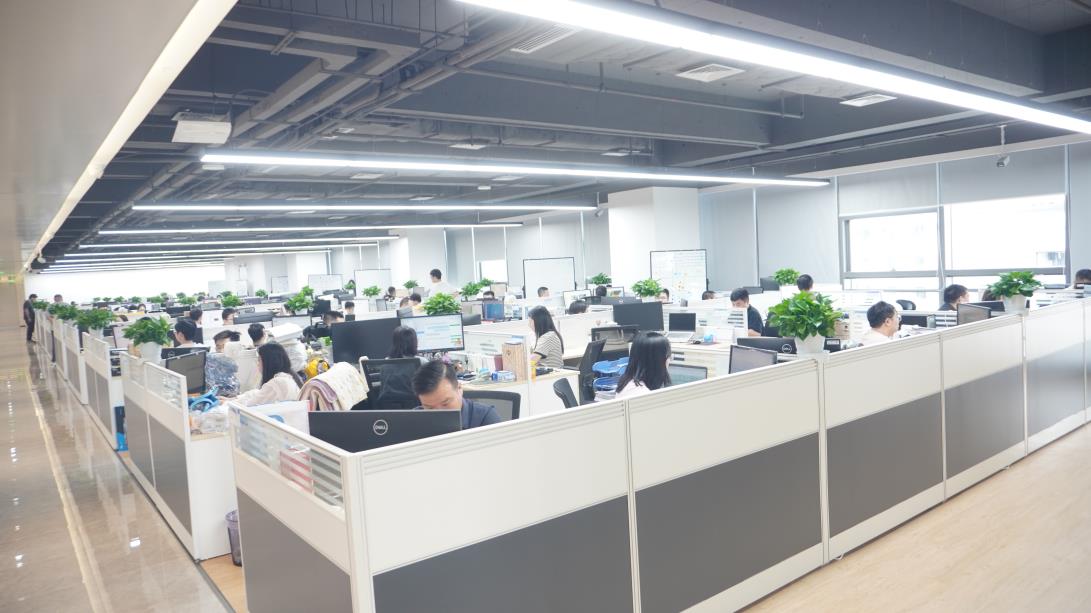
Aivora Technology Co., Ltd. is a professional AI server manufacturer dedicated to delivering high-performance GPU server solutions, AI computing infrastructure, and customized data center systems for customers worldwide. Established in 2018, the company has rapidly grown into a trusted partner for enterprises, cloud service providers, AI startups, research institutions, and system integrators seeking reliable and scalable AI computing platforms.
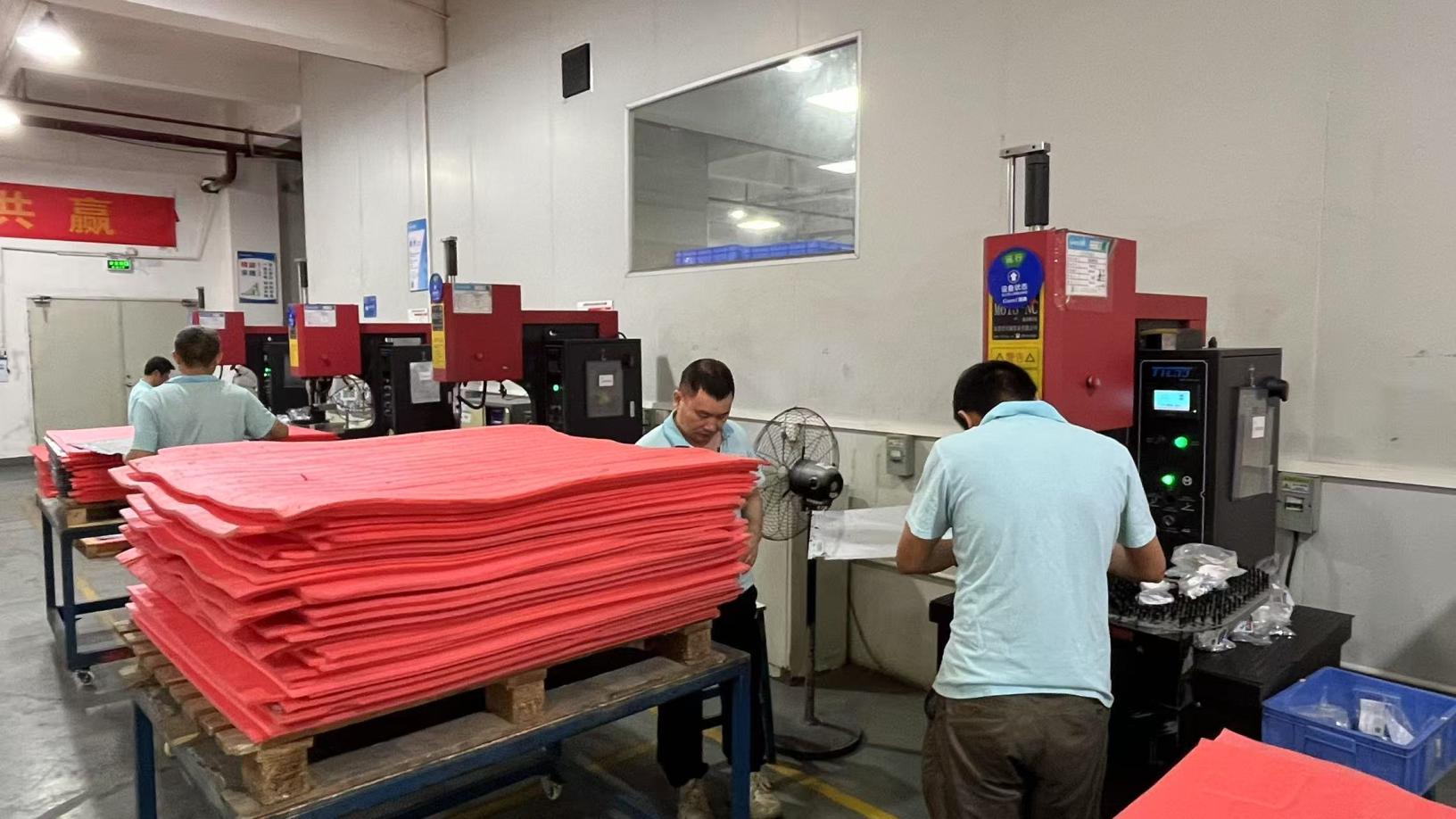
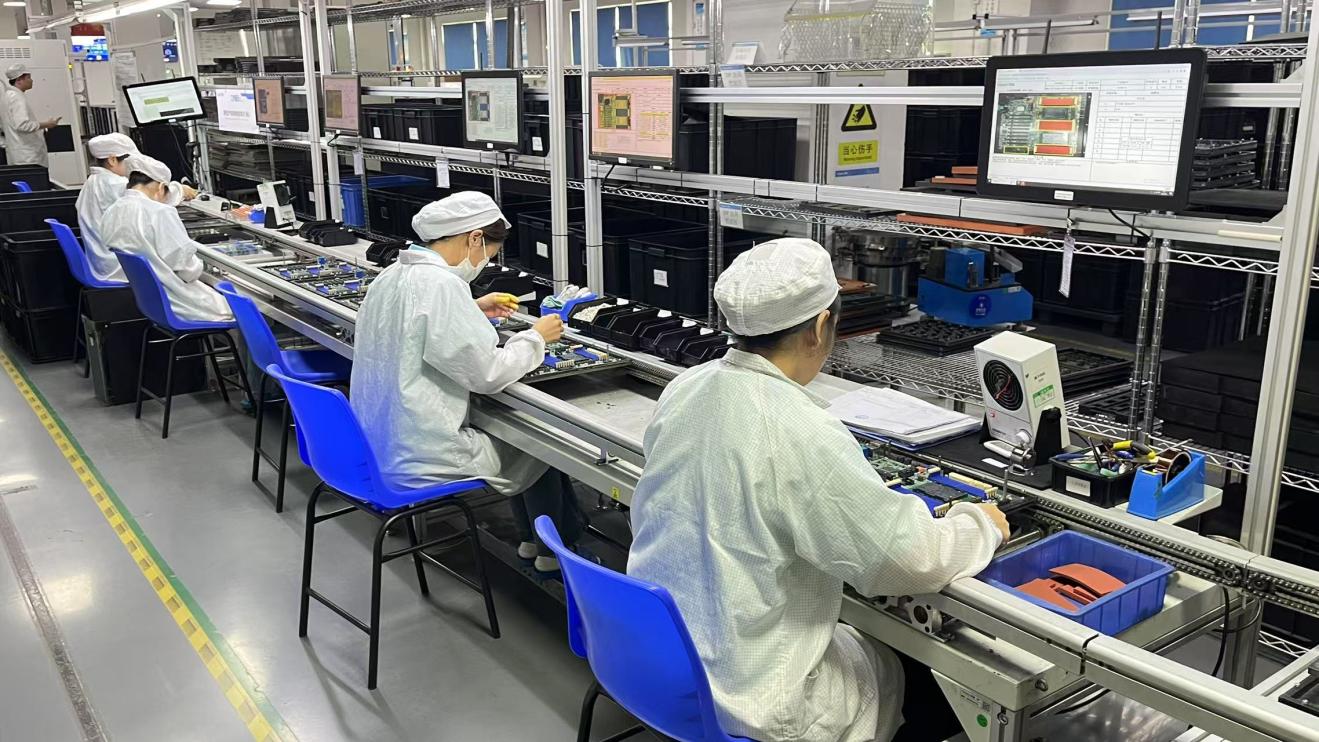
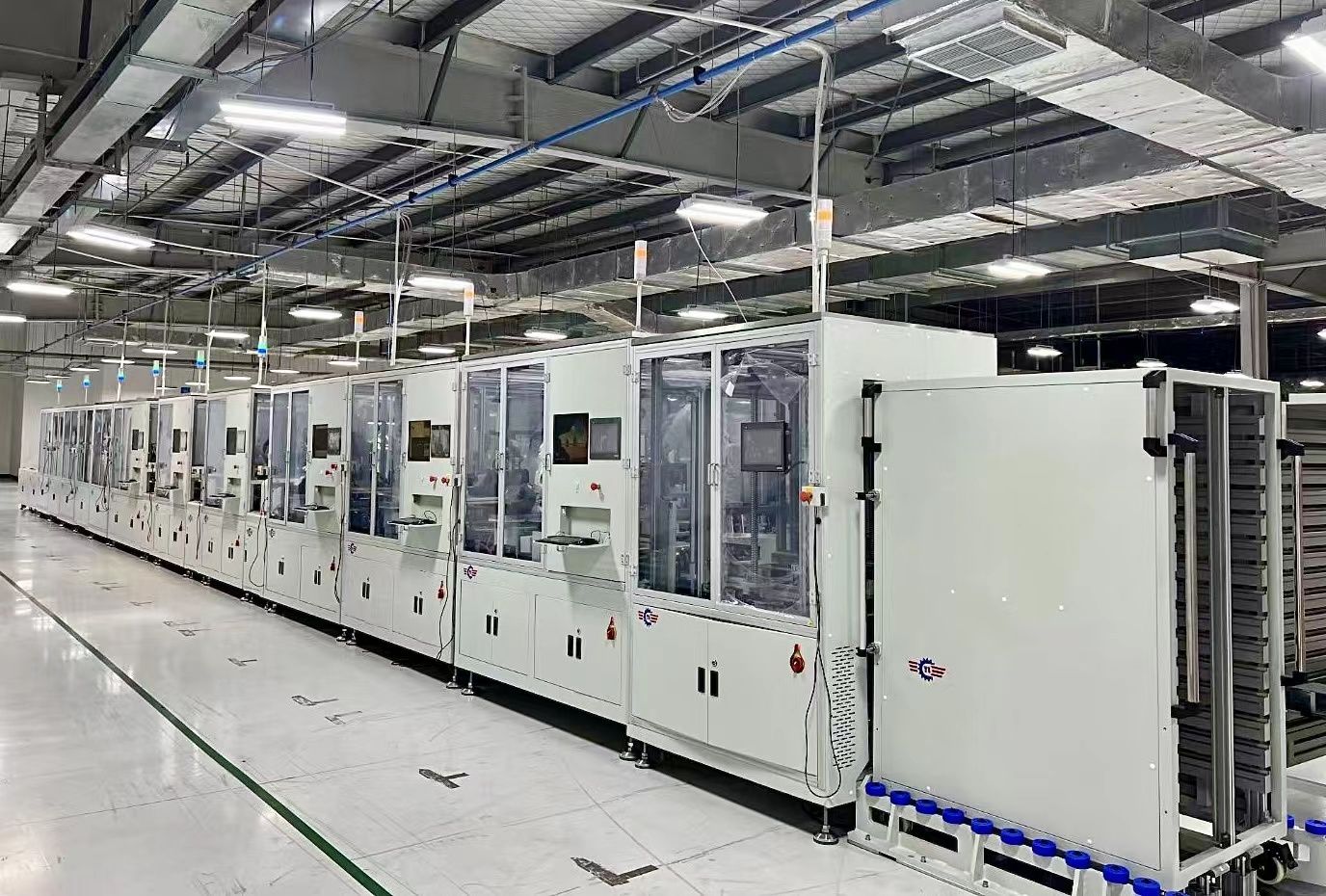
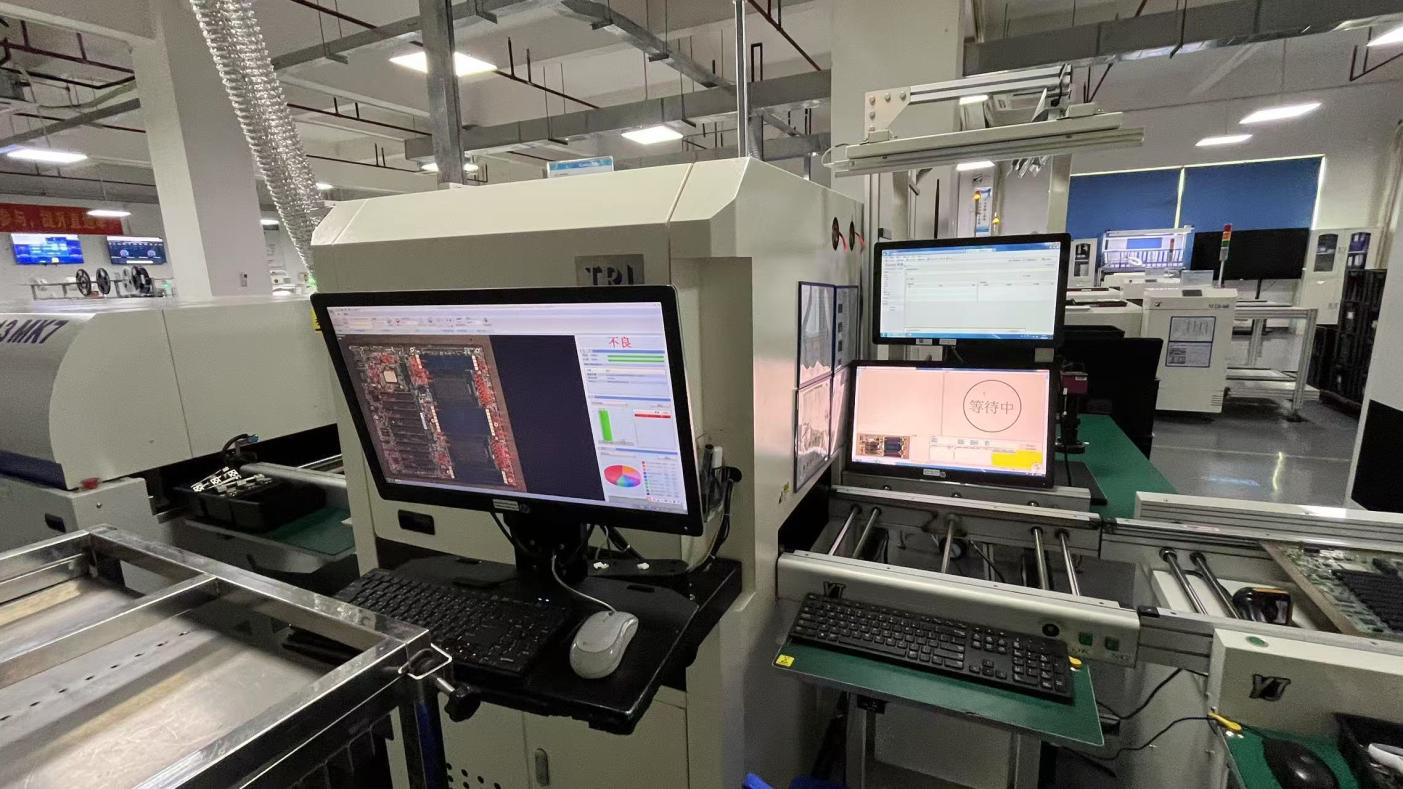
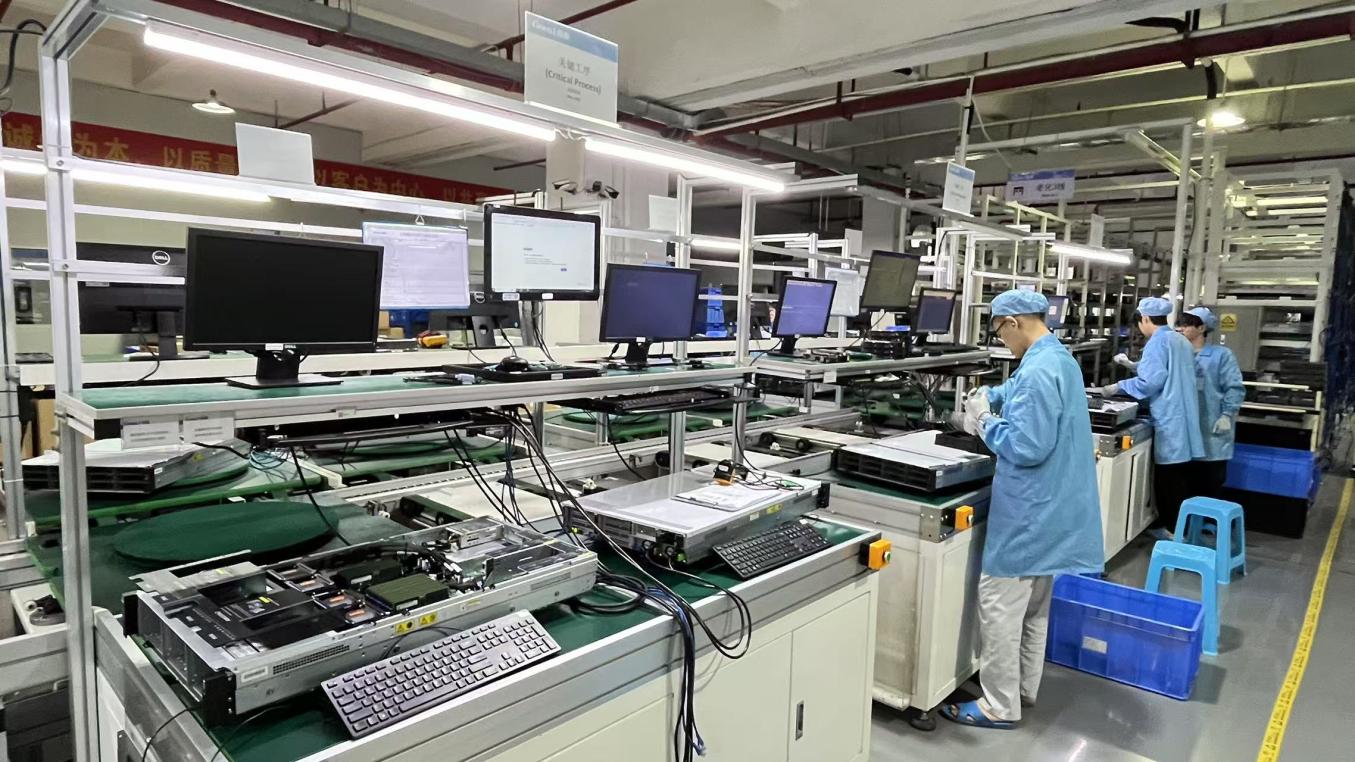
Located in Shenzhen, China, Aivora operates a modern manufacturing facility covering 386 square meters and integrates advanced production, testing, and quality management systems to ensure consistent product performance and reliability. With over 8 years of export experience and 14 years of industry expertise, we have successfully served customers across North America, Europe, Southeast Asia, the Middle East, and South America.
Our product portfolio includes AI training servers, AI inference servers, GPU workstations, edge AI servers, HPC servers, storage servers, and customized rack-level solutions. Leveraging strong R&D capabilities, we provide flexible OEM and ODM services, supporting hardware customization, chassis design, GPU configuration, branding, and system integration according to specific project requirements.
Quality is at the core of our operations. Every product undergoes comprehensive quality inspections, including component verification, system integration testing, burn-in testing, thermal performance evaluation, power consumption testing, and final functional validation before shipment. Our quality control team consists of 46 experienced inspectors who ensure every system meets international quality standards and customer specifications.
Aivora maintains close cooperation with more than 1,250 supply chain partners, enabling efficient sourcing, stable production, and rapid delivery of high-performance computing solutions. Supported by a team of 128 R&D engineers, we continuously innovate and introduce new technologies to meet the rapidly evolving demands of artificial intelligence and data-intensive applications. In the past year alone, we successfully launched 186 new products and solution variants.
Our annual export revenue exceeds USD 18 million, reflecting the trust and long-term partnerships we have established with customers worldwide. By combining advanced engineering expertise, strict quality control, flexible customization options, and responsive customer support, Aivora remains committed to empowering organizations with next-generation AI computing infrastructure.
Aivora Technology Co., Ltd. — Accelerating AI Innovation with Reliable Computing Power.

Enterprise server deployments must meet strict safety, environmental, and data privacy regulations to operate legally across borders.
For cross-border deployment, servers must carry certifications including CE (Europe), FCC (United States), CCC (China), and VCCI (Japan). These guarantee that the hardware meets safety and electromagnetic interference guidelines, preventing disruption to adjacent datacenter appliances.
Additionally, environmental regulations like RoHS and WEEE require manufacturers to restrict hazardous substances and provide recycling processes for hardware components. System integrators should verify that all power supplies meet 80 Plus Platinum or Titanium efficiency guidelines to comply with carbon footprint standards.
With regulations like GDPR in Europe and HIPAA in the United States, hardware design must prevent unauthorized physical access. This is achieved using intrusion switches, hardware-level TPM 2.0 modules, and secure enclave architectures that prevent data theft, even if server drives are removed from the data center floor.
Our OEM partners can pre-configure encryption configurations and customize access settings to meet the strict compliance requirements of local jurisdictions.
Exploring the developments in processing power, memory speed, and power efficiency that will define servers over the next decade.
Compute Express Link (CXL) allows CPUs, GPUs, and memory to share resources over high-speed links. Future architectures will use dynamic memory pools, reducing cache conflicts and boosting throughput for big data arrays.
As rack designs surpass 100kW power densities, standard air cooling is no longer sufficient. Direct-to-chip liquid cooling loops and non-conductive fluid immersion baths are becoming standard features in green datacenters.
Next-generation processing nodes will utilize sub-1nm silicon features, native FP8 precision support, and high-bandwidth memory (HBM3e/HBM4). These developments will help reduce the power required to train and run large AI models.
Answers to common technical questions about modern server architecture, configuration, and implementation.