Aivora
Aivora
Aivora
High-performance processing engines, server nodes, and ultra-fast storage modules designed for high-concurrency communications and media-processing workloads.
How high-performance compute clusters and low-latency network hardware are redefining enterprise collaboration paradigms globally.
Traditional on-premise PBX systems have completely shifted to virtualized cloud systems (UCaaS) and hybrid models. Enterprise voice, video, text, and file storage now depend on scalable compute nodes, making carrier-grade servers and specialized storage systems the backbone of modern corporate connectivity.
By executing voice compression, noise reduction, and video packet distribution directly on regional edge nodes, global enterprises can reduce round-trip latency to less than 30ms, which is critical for real-time collaboration platforms.
Sectors such as financial services, healthcare, and state administration require local data storage for call archiving and cryptographic authentication, driving the need for secure, high-density server configurations featuring enterprise-grade SSD arrays.
The intersection of Deep Learning models, large language frameworks, and real-time collaboration engines.
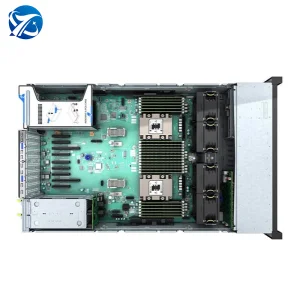
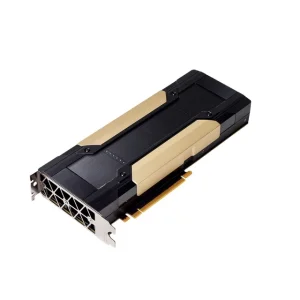
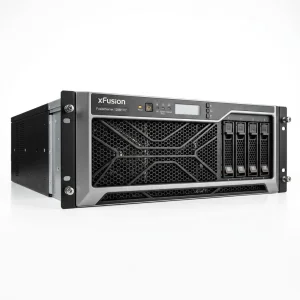
Modern UC platforms utilize heavy deep learning models (such as DeepSeek, GPT-based translation, and Whisper-style voice recognition engines) to transcribe call details in real time. Deploying high-density GPU accelerators like the NVIDIA V100 or server nodes like the FusionServer G5200 V7 allows instant translation and analysis at massive scale.
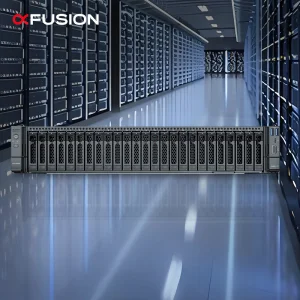
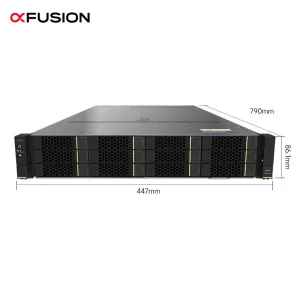
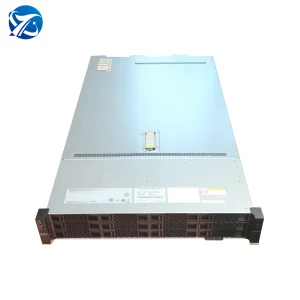
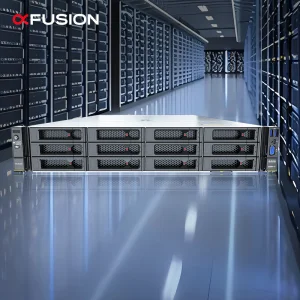
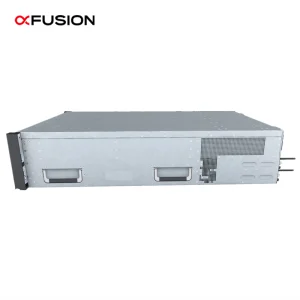
Enterprise clients are shifting away from disaggregated storage and compute networks. Modern trends focus on Hyper-Converged Infrastructure (HCI) servers, such as the xFusion 2288H V7, combining compute, storage, and networking interfaces into unified 2U chassis configurations to reduce latency and power footprints.
Mapping enterprise communication protocols to physical hardware configurations for peak performance.
| UC Architecture Layer | Key Protocols & Demands | Recommended Server Platform | Storage & Interconnect Requirements |
|---|---|---|---|
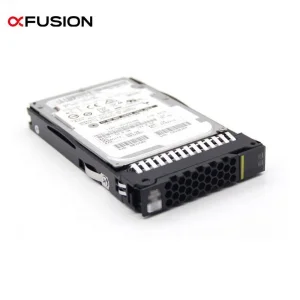
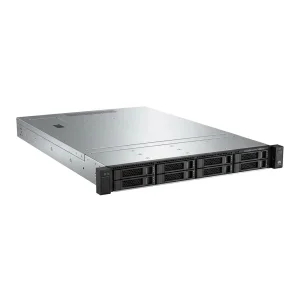
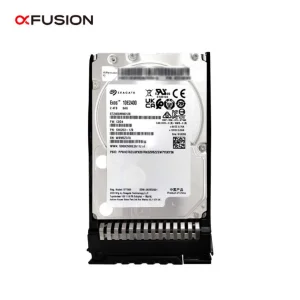
| SIP Routing & Session Border Control (SBC) | TLS, RTP, High Packet-per-Second (PPS) capacity. | 1U Compute Nodes (e.g., FusionServer 1288H V6 / V7) | Read-Intensive SSDs (SE005 Series) for session logs. |
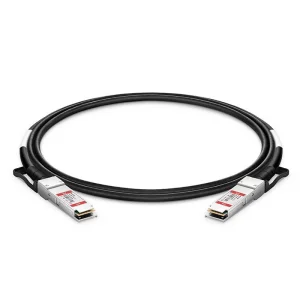
| Real-Time Video Multipoint Control Unit (MCU) | WebRTC, H.264/H.265 transcoding, spatial audio processing. | GPU-Optimized 2U/4U Servers (e.g., FusionServer 2488H V7) | QSFP+ 10G/40G DAC high-speed network connections. |
| AI Assistant & Voice-to-Text Transcription | Automatic Speech Recognition (ASR), Sentiment analysis. | AI Server Clusters (e.g., FusionServer G5200 V7 with GPU arrays) | PCIe Gen4/Gen5 NVMe SSDs (EP600 Series) for rapid model loading. |
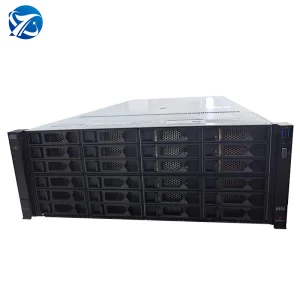
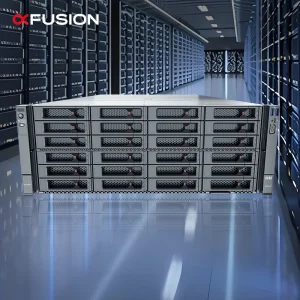
| Enterprise Storage & Compliance Recording | SQL/NoSQL Databases, GDPR/HIPAA compliance storage. | High-Density 4U Storage (e.g., FusionServer 5288 V7) | Redundant SATA/SAS arrays + Hybrid NVMe cache tiers. |
Modern localized application scenarios emphasize hybrid configurations. For instance, in European and North American operations, remote team members utilize cloud instances for general conferencing, while regional branches route internal video streams to a localized xFusion 2288H V7 server cluster. This protects enterprise privacy, keeps high-definition content within local area networks (LANs), and decreases expensive WAN egress costs.
Accelerating AI and Communication Innovation with Globally Trusted, Custom Computing Power.
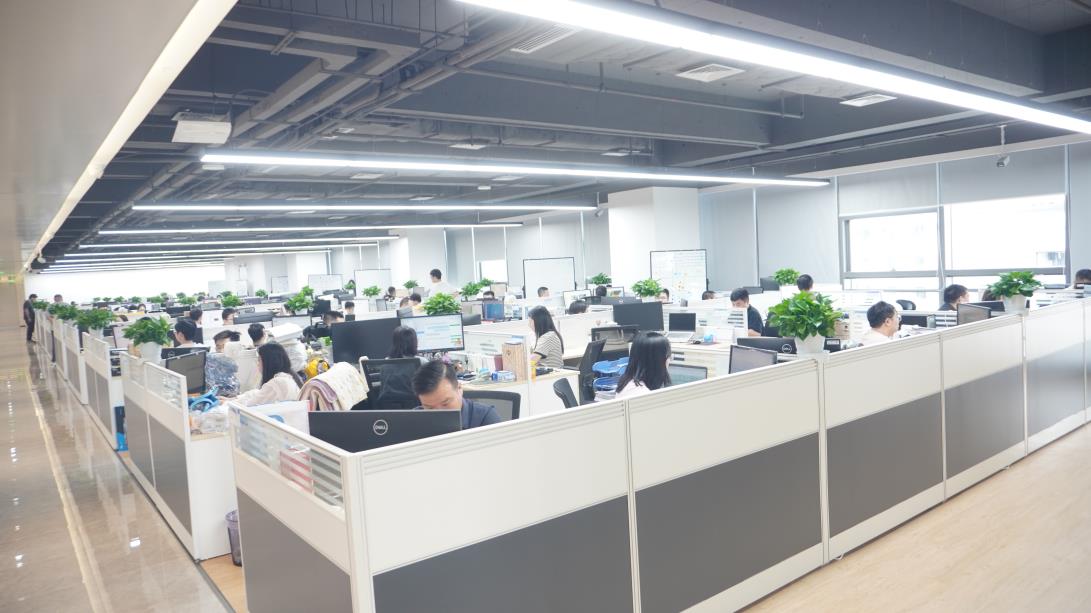
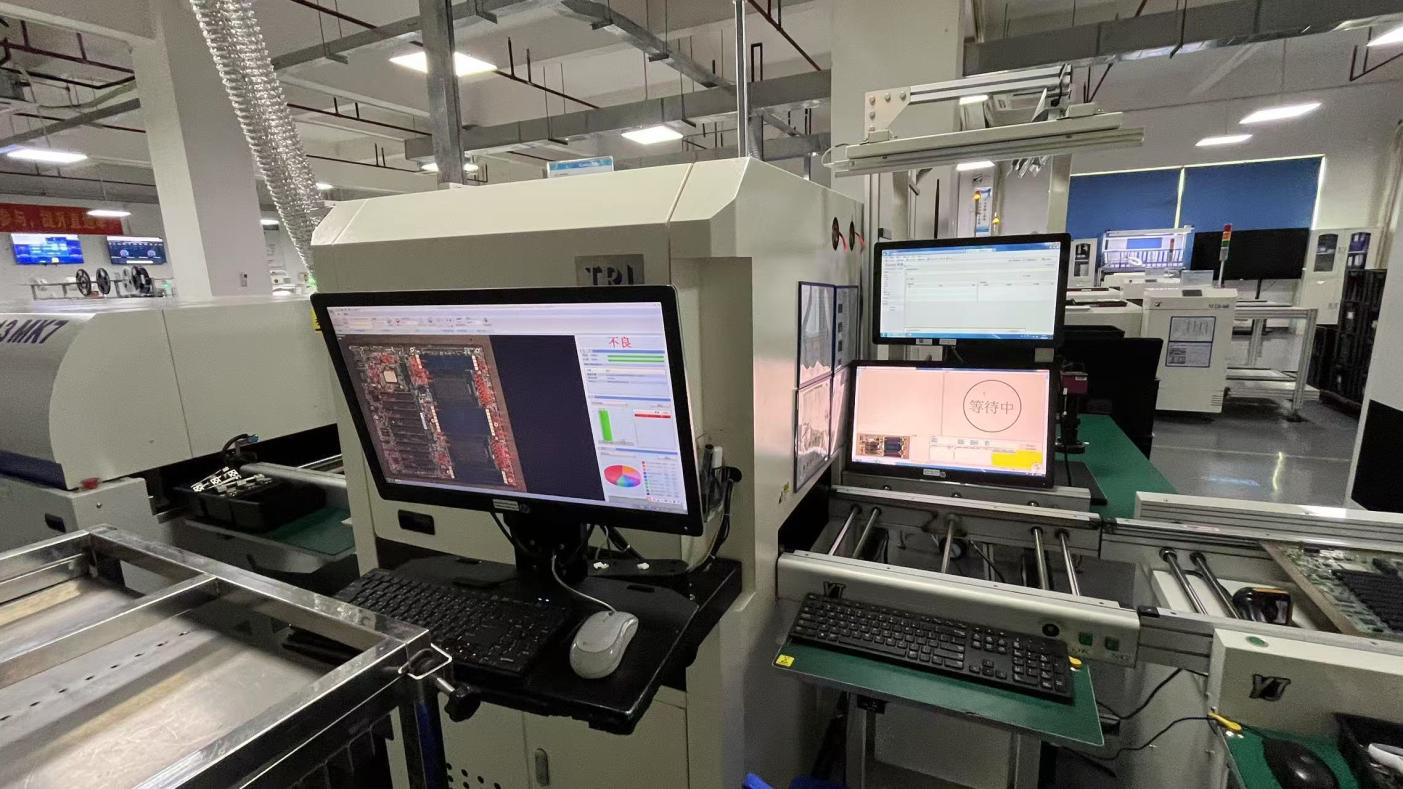
Established in 2018 in Shenzhen, China, Aivora Technology Co., Ltd. is an engineering-first manufacturer specializing in GPU server configurations, cloud platforms, and data center hardware. With 14 years of collective industry expertise and over 8 years of global export experience, we bridge the gap between complex hardware configurations and real-world enterprise requirements.
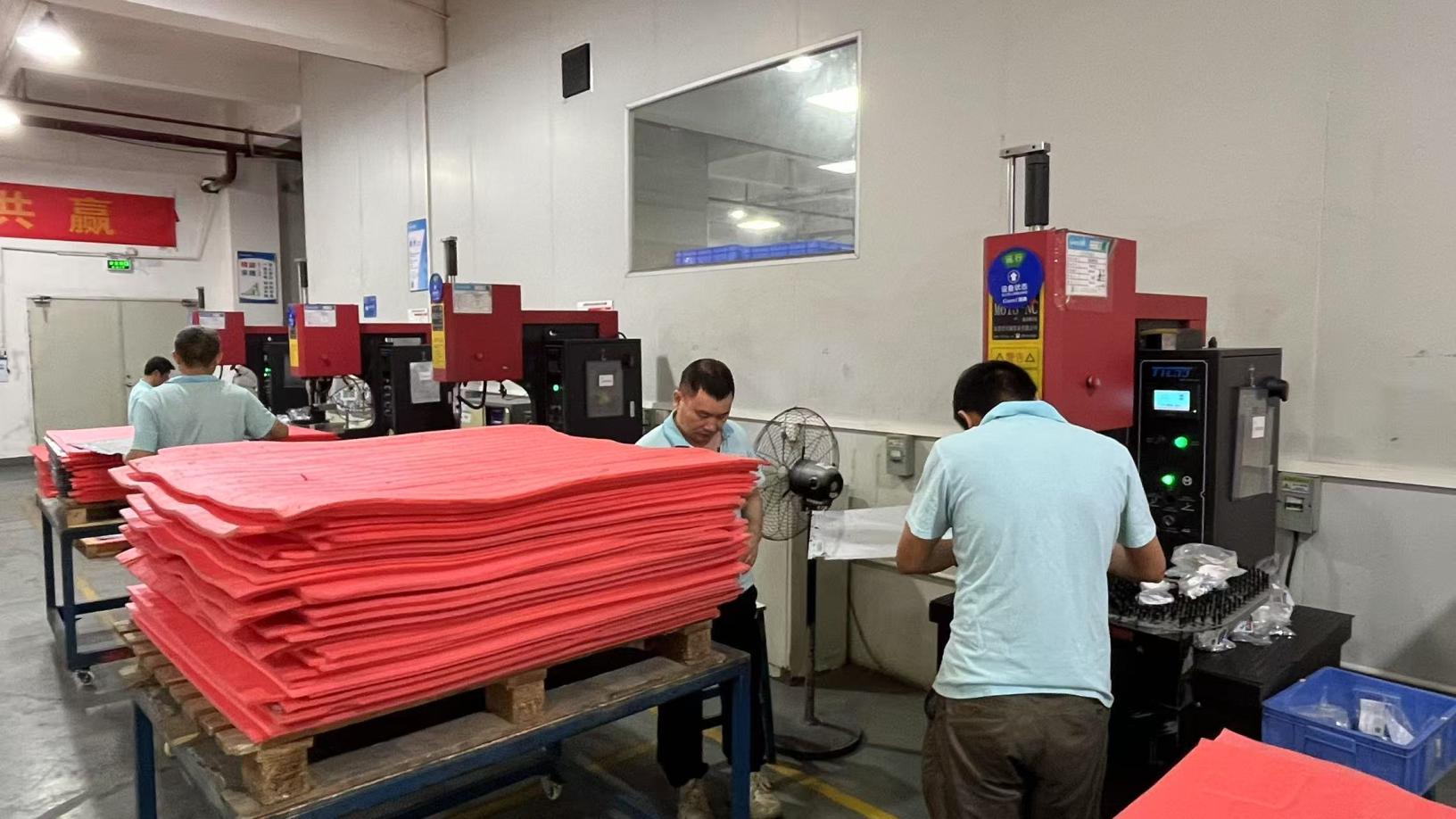
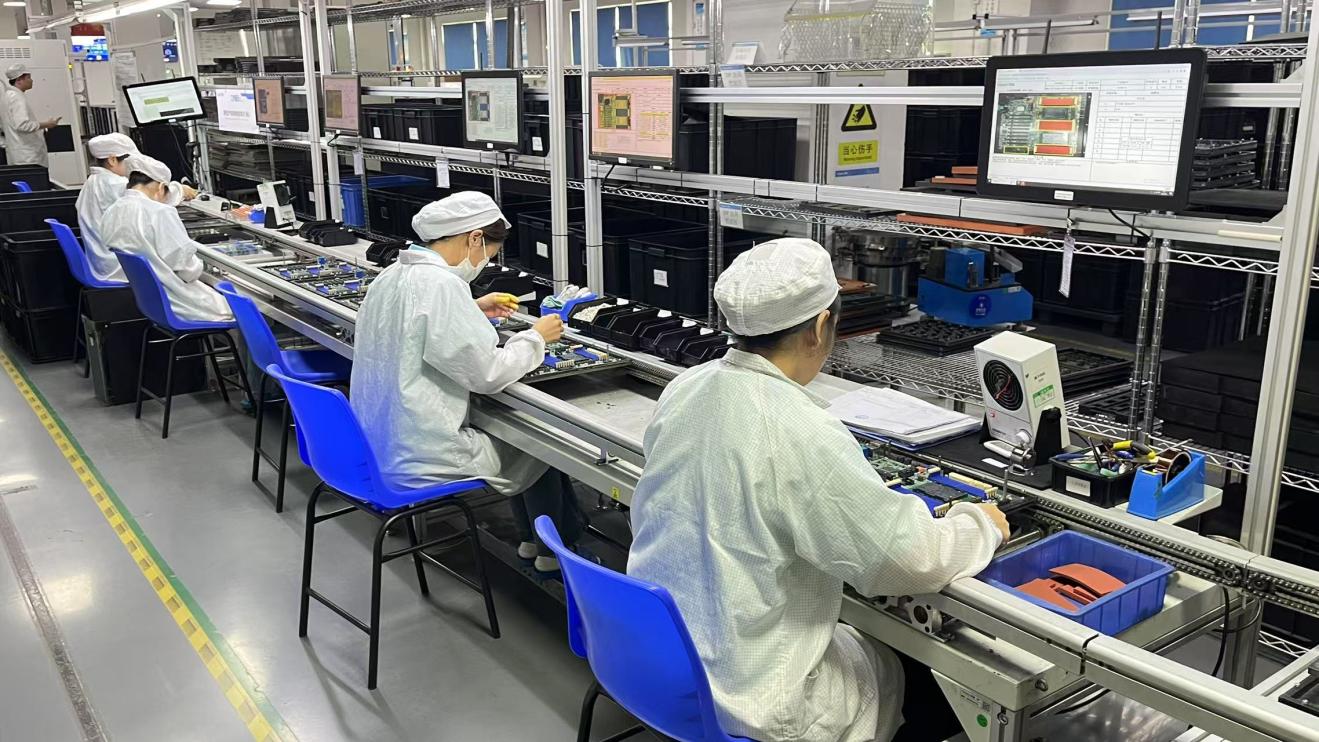
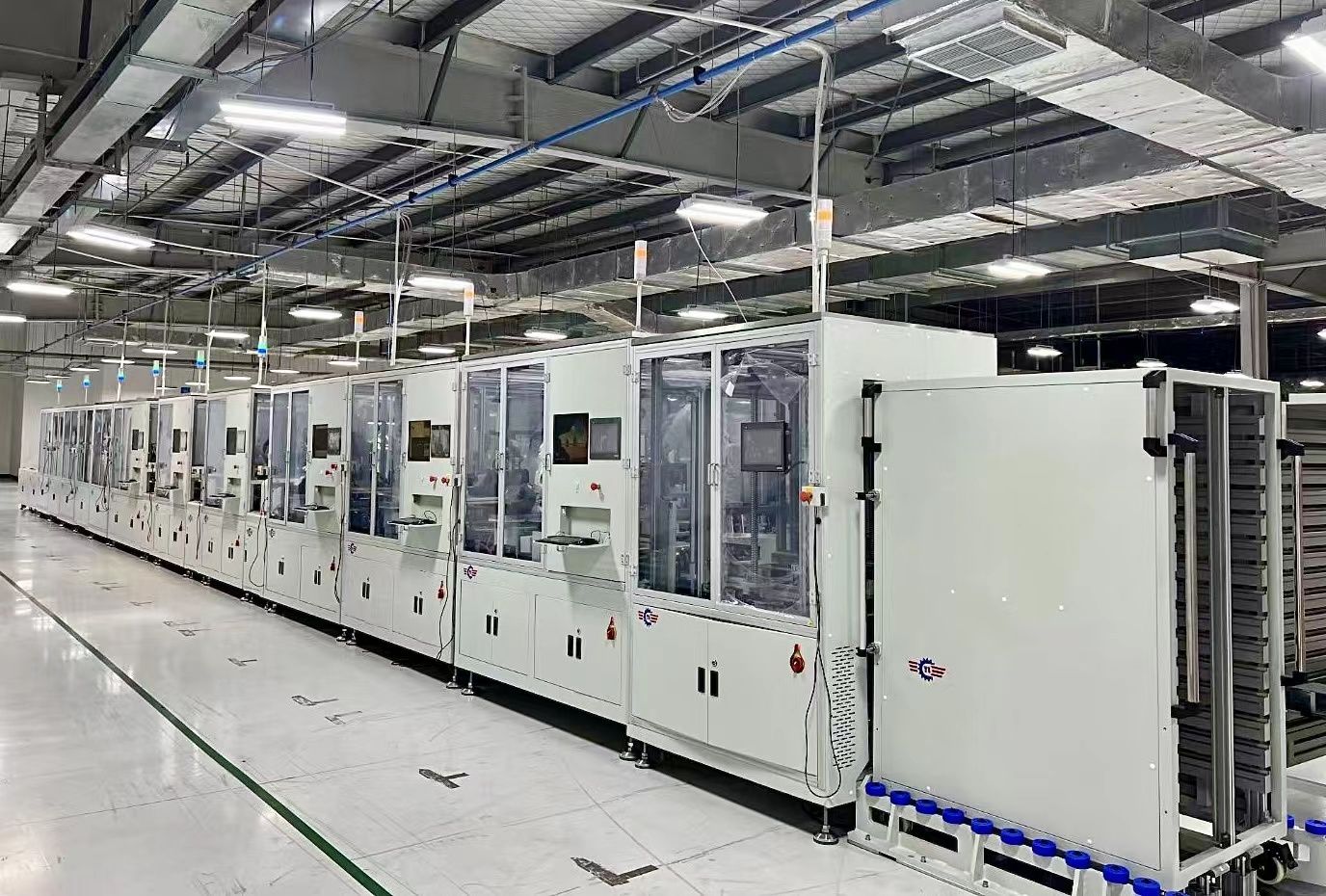
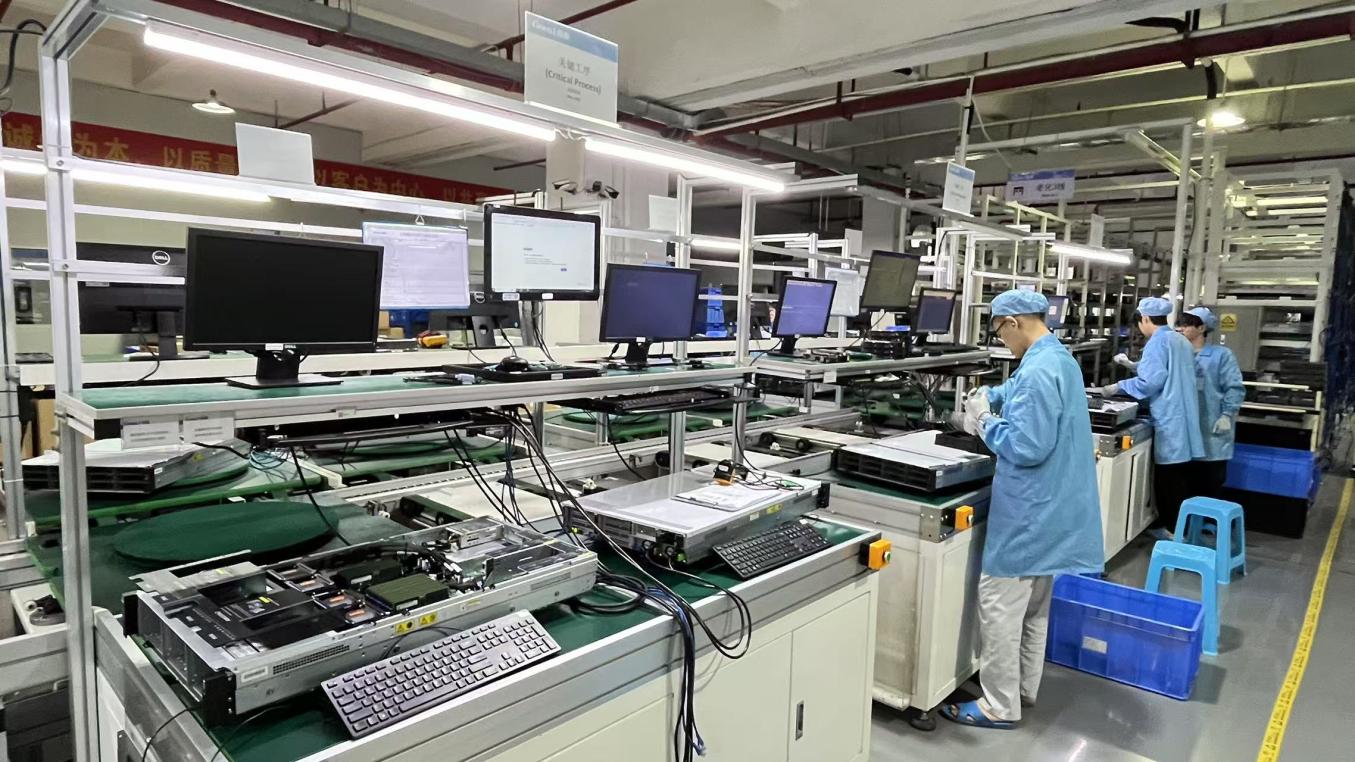
Operating a modernized, high-density production facility, Aivora operates with a network of over 1,250 supply chain partners, enabling stable sourcing, custom branding, and rapid turnaround cycles. Our R&D team consists of 128 expert engineers who have engineered 186 new product designs and variants within the past 12 months, serving cloud hosting providers and Unified Communication platforms worldwide.
Aivora's modern facility is configured for complex hardware integration, allowing us to serve clients across North America, Europe, SE Asia, the Middle East, and South America.

Preparing enterprise collaboration platforms for next-generation hardware developments and energy efficiency.
As high-density media streaming servers generate intense thermal loads, liquid-to-air cooling options will become standard. Integrated liquid loops in servers like the FusionServer 2488H V7 allow datacenters to lower their PUE (Power Usage Effectiveness) below 1.15.
Future audio/video stream databases will demand near-zero latency storage access. Integrating Compute Express Link (CXL) architectures enables coherent memory pooling between CPU hosts and accelerator modules, speeding up real-time translation.
Unified Communication tools are transitioning from simple transport protocols to AI-driven virtual assistants. Deploying customizable neural engines on localized GPU arrays lets businesses maintain self-contained transcription agents with absolute privacy.
Expert technical insights regarding layout design, server optimization, and deployment strategy.
Modern Unified Communications tools are not just voice lines; they process real-time video conferencing, automated subtitles, translation, and background noise removal. Traditional CPUs cannot handle the high-throughput, low-latency requirements of these tasks. Using dedicated GPU servers (such as the FusionServer G5200 V7 AI Server or utilizing NVIDIA V100 PCIe GPUs) ensures real-time deep learning performance without dropouts.
During peak hours, call centers and corporate SIP routing networks generate thousands of writes per second for Call Detail Records (CDRs) and session states. Traditional SATA hard drives cause write queues that delay routing. Read-Write hybrid SSD drives like the EP600 NVMe Series provide the necessary IOPS, preventing latency peaks at the database layer.
Yes. Aivora offers comprehensive OEM and ODM support. We provide customized chassis configurations, motherboard brand layouts, customized networking structures (such as direct high-speed QSFP+ cabling), and bespoke BIOS configurations, ensuring the physical hardware integrates perfectly with your software system.
High-concurrency servers, direct-attach cables, and processing engines engineered to power global corporate networks.