Aivora
Aivora
Aivora
Enterprise rackmount servers and performance infrastructure optimized for global telecom and cloud deployment.
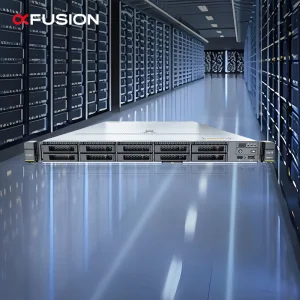
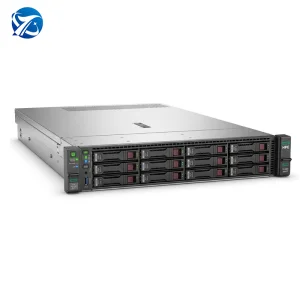
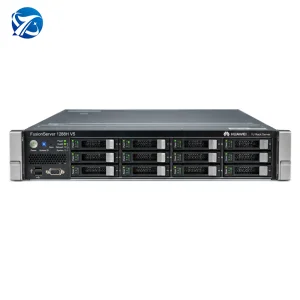
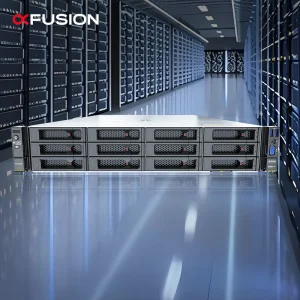
A comprehensive examination of Aivora Technology's role in advancing high-performance telecommunication hardware.
In the rapidly changing landscape of global telecommunications and hyper-scale cloud computing, hardware reliability and regulatory compliance stand as the primary vectors of competitive advantage. Aivora Technology Co., Ltd. is a professional AI server manufacturer dedicated to delivering high-performance GPU server solutions, AI computing infrastructure, and customized data center systems for customers worldwide. Established in 2018, the company has rapidly grown into a trusted partner for enterprises, cloud service providers, AI startups, research institutions, and system integrators seeking reliable and scalable AI computing platforms.
Located in Shenzhen, China—the global epicenter of advanced hardware manufacturing—Aivora operates a modern manufacturing facility covering 386 square meters. By integrating advanced production, structural testing, and rigorous quality management systems, Aivora ensures consistent product performance, mechanical integrity, and electrical reliability across all deployments. With over 8 years of export experience and 14 years of deep industry expertise, Aivora has successfully served enterprise customers across North America, Europe, Southeast Asia, the Middle East, and South America.
Years Industry Experience
Supply Chain Partners
R&D Engineers
Annual Export Revenue
Our comprehensive product portfolio includes AI training servers, high-density AI inference servers, GPU workstations, edge AI servers, High-Performance Computing (HPC) servers, storage servers, and customized rack-level solutions. Leveraging strong R&D capabilities, we provide flexible OEM and ODM services, supporting hardware customization, chassis design, GPU configuration, enterprise branding, and system integration tailored to specific regional project requirements.
Importing and deploying network and telecommunication equipment within highly regulated economic zones—such as the European Economic Area (EEA)—requires strict adherence to harmonized legal frameworks. The CE marking is not merely a label; it represents a legal declaration by the manufacturer that the product complies with all essential health, safety, and environmental protection requirements under the European Directives.
Beyond certification, localized support represents a critical success factor for telecommunication deployments. Global enterprises face substantial operational risks when deploying remote infrastructure in diverse jurisdictions like the EU, Southeast Asia, or Russia. Localized support models must include certified field engineers, localized parts depots, and rapid RMA (Return Merchandise Authorization) turnarounds. By choosing a partner with structured compliance pathways and local support coordination, enterprises reduce operational downtime and eliminate regulatory friction at customs borders.
Shenzhen’s dominance in the electronics and network hardware sector is rooted in its highly integrated supply chain ecosystem. Unlike isolated manufacturing hubs, Shenzhen offers a complete vertical cluster. Within a few kilometers, manufacturers can source multi-layer PCBs, advanced cooling modules, custom chassis, high-efficiency power supply units (PSUs), and standard semiconductor components.
Aivora maintains close, strategic cooperation with more than 1,250 supply chain partners. This vast network enables exceptionally efficient component sourcing, stable production buffering, and rapid delivery of complex, high-performance computing configurations. Supported by an in-house engineering team of 128 R&D professionals, Aivora bridges the gap between raw supply chain capability and customized enterprise-grade systems. The agility of this model is evidenced by the successful launch of 186 new products and solution variants in the past year alone.
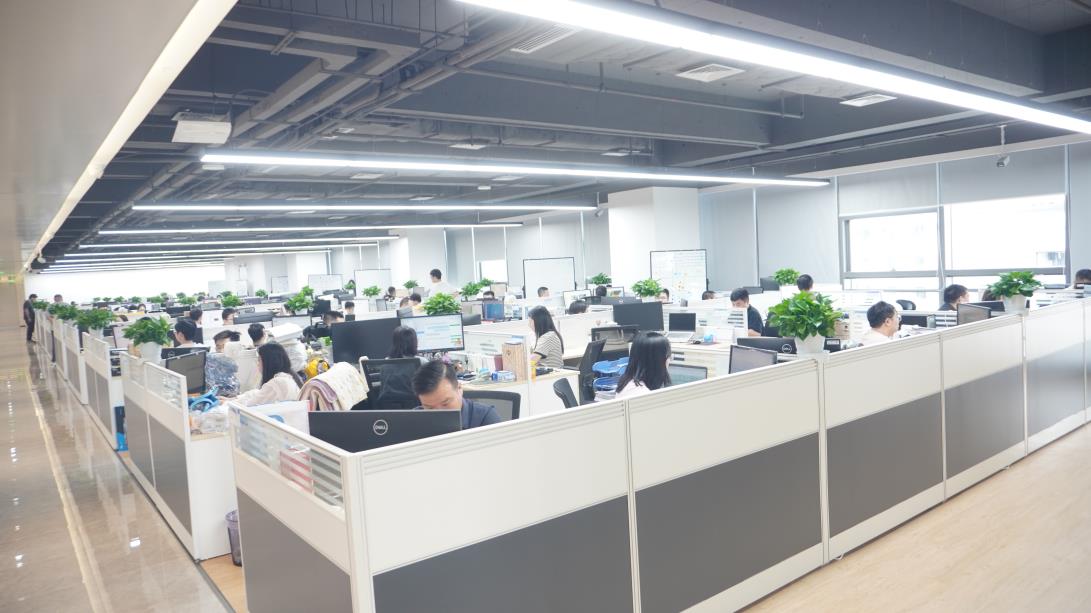
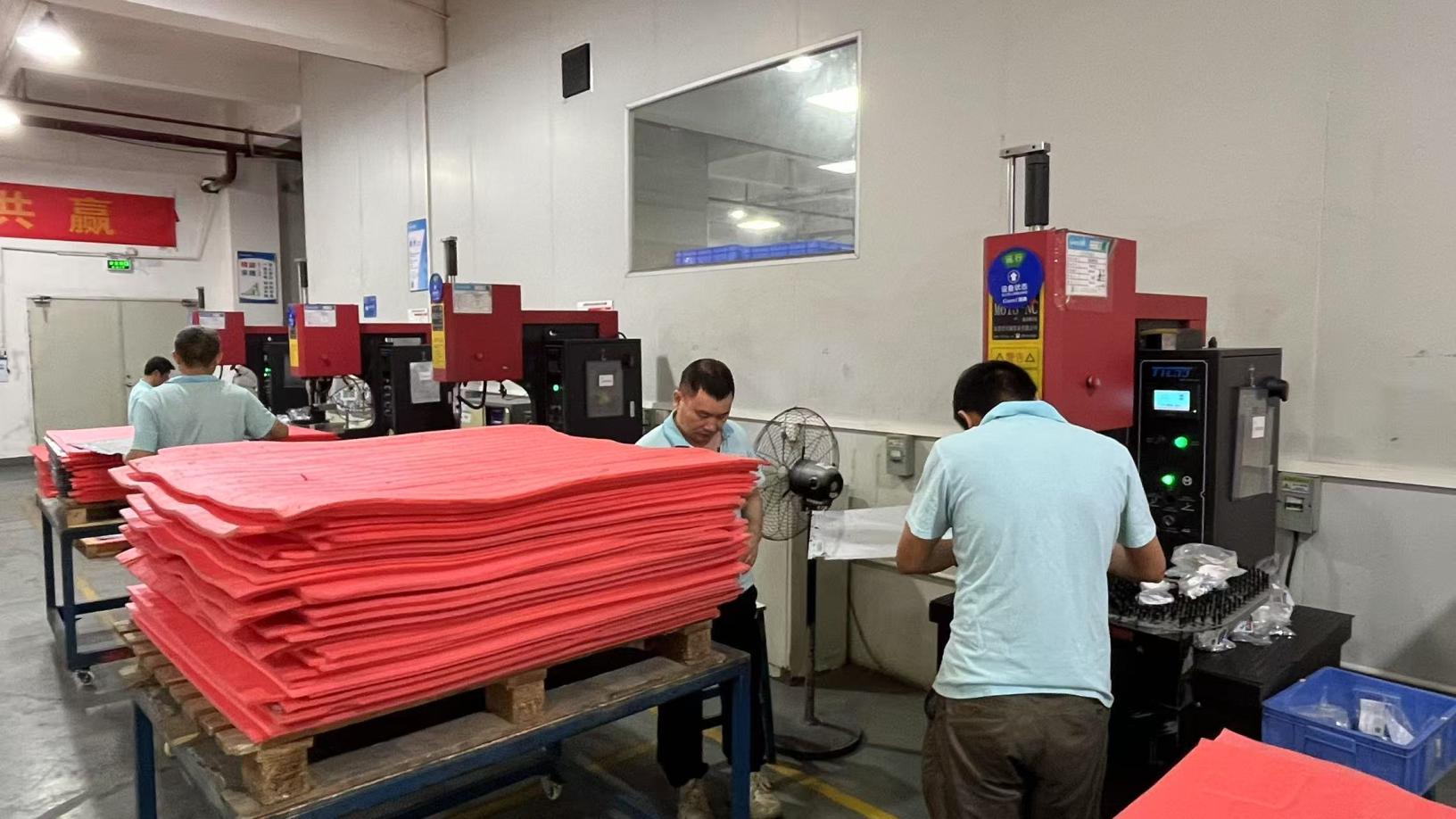
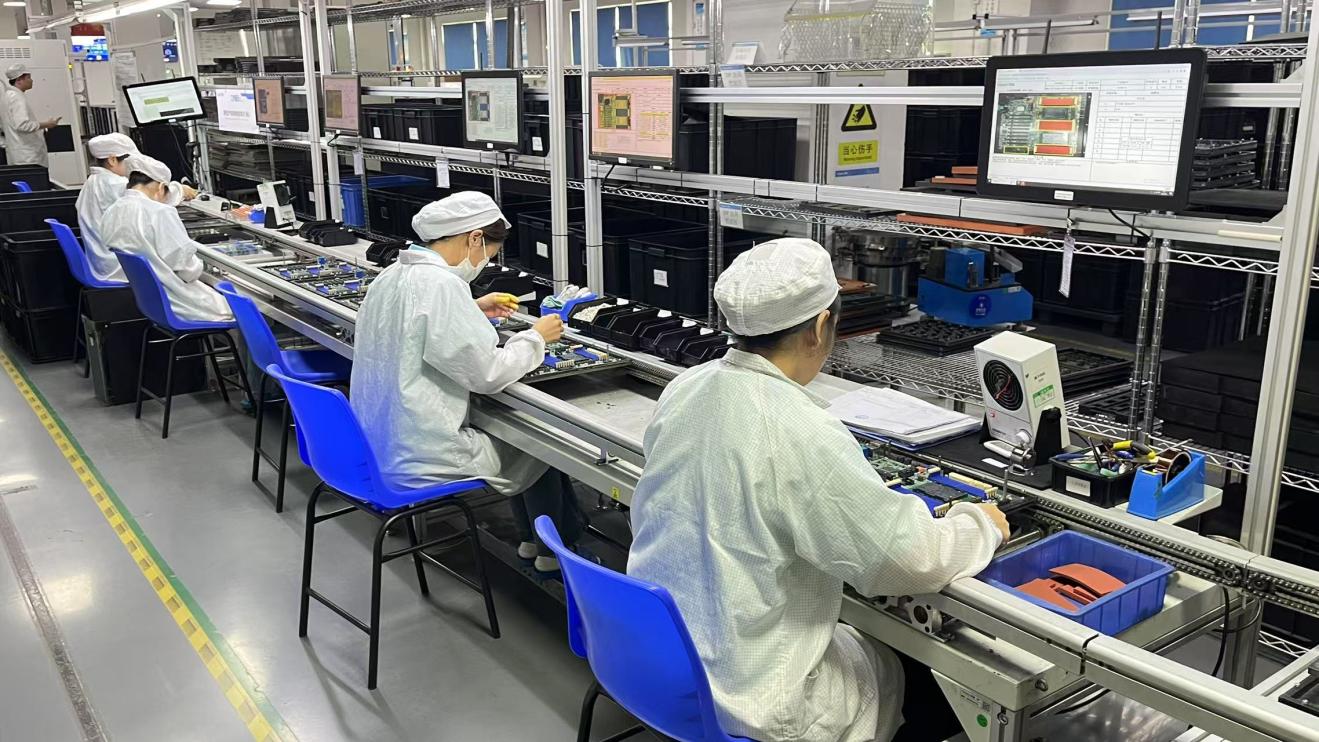
This geographical cluster also significantly lowers prototyping cycles. Where Western counterparts require weeks to fabricate, test, and iterate a custom server chassis design or a novel thermal heat-sink mechanism, Shenzhen-based manufacturers can complete the loop in days. This rapid prototyping cycle directly translates into a shorter time-to-market (TTM) for global enterprises deploying next-generation infrastructure.
Enterprise IT procurement teams face the complex challenge of balancing CAPEX (Capital Expenditure) and OPEX (Operating Expenditure) while meeting strict performance requirements. Whether purchasing computing arrays for mission-critical enterprise resource planning (ERP) platforms or building hyperconverged clusters, the focus remains on optimizing Total Cost of Ownership (TCO). Key factors driving enterprise purchasing decisions include:
Procuring standardized servers often results in either over-provisioning or performance bottlenecks. Enterprises require customized systems, from specific GPU layouts (PCIe vs. OAM) to tailored storage tiers.
Data center power costs represent a significant portion of OPEX. Procurement teams look for high-efficiency titanium PSUs, advanced variable-speed fans, and liquid cooling options.
Enterprise hardware must remain operational for 5 to 7 years. Guaranteed availability of legacy processors, memory modules, and raid controllers is essential to prevent premature hardware retirement.
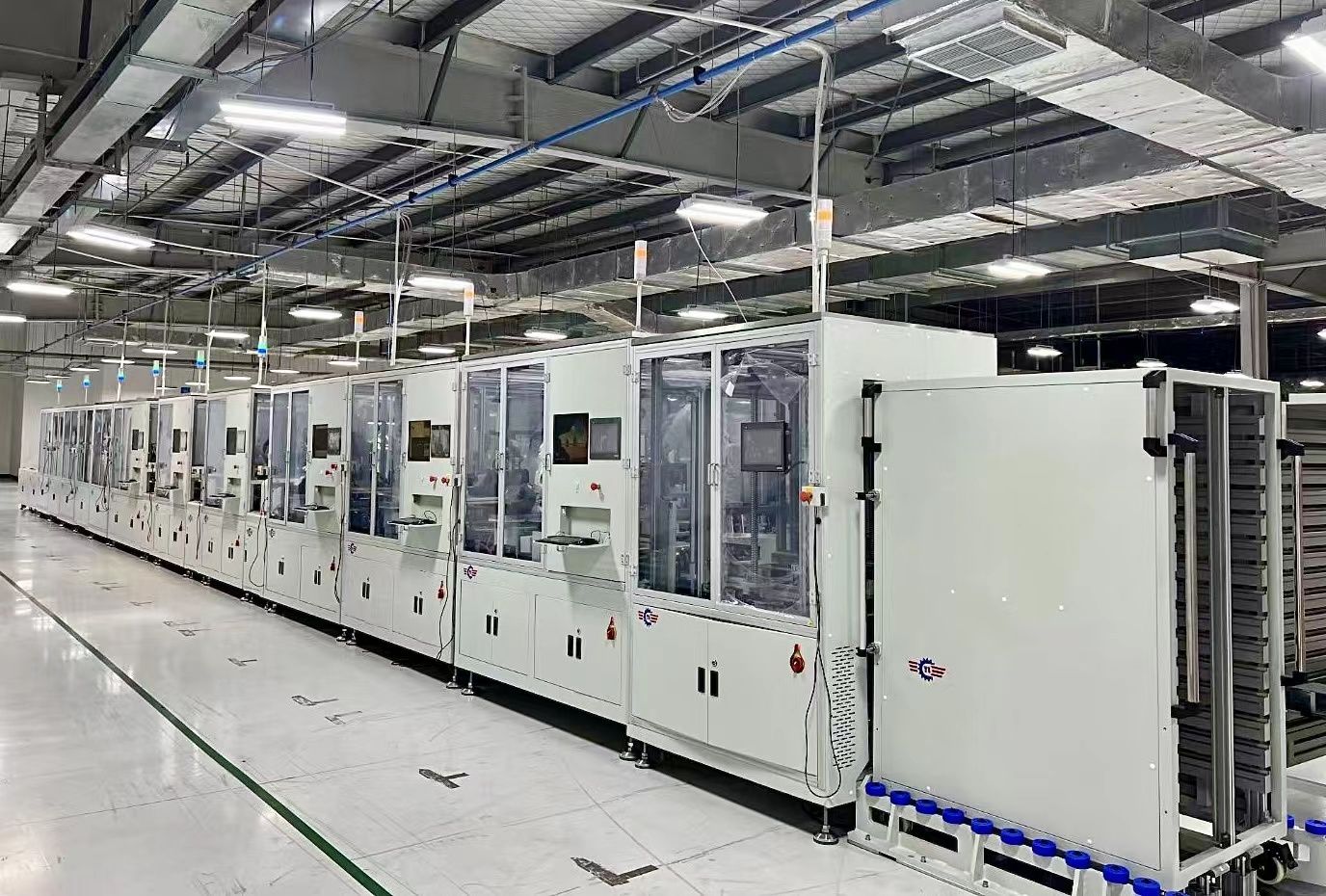

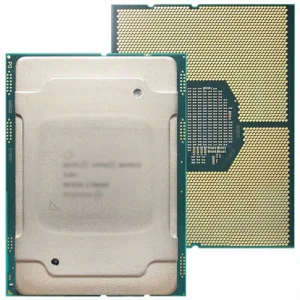
By addressing these parameters—such as matching high-performance dual-socket processors like the Intel Xeon Gold Scalable family with high-density chassis layouts—enterprises can achieve the optimal balance of compute power and energy efficiency, directly improving long-term TCO.
The convergence of telecommunications and deep learning has driven major shifts in server architecture. The rapid adoption of large language models (LLMs) and advanced AI search frameworks, such as DeepSeek, requires data centers to transition from traditional CPU-centric architectures to highly accelerated heterogeneous GPU computing.
In high-density server rack environments, PCIe Gen 5 and Gen 6 interfaces are essential for delivering the bandwidth required by modern multi-GPU configurations. High-speed interconnects allow seamless communication between GPUs, mitigating data transport bottlenecks during large model training and real-time inference. Furthermore, the adoption of DDR5 memory and NVMe PCIe SSDs ensures that high-speed storage channels match the throughput requirements of modern network cards, supporting high-density virtualization and cloud hosting configurations.
The performance of server systems is best measured by their efficiency in specific enterprise applications. Telecommunication hardware must adapt to diverse operational environments, each presenting unique engineering and architectural demands:
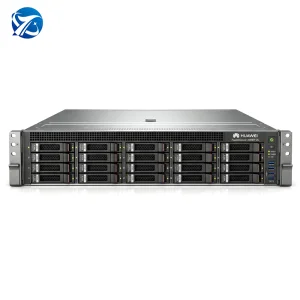
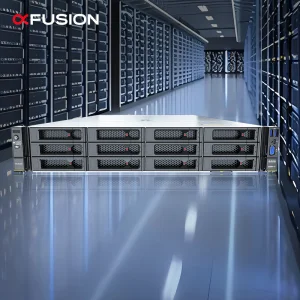
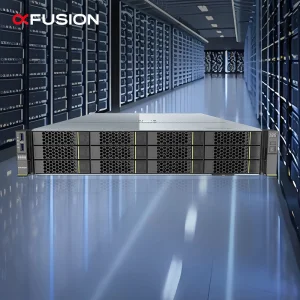
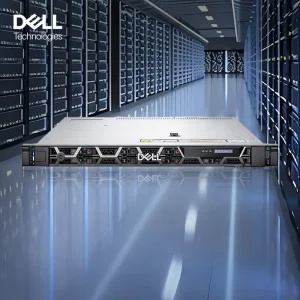
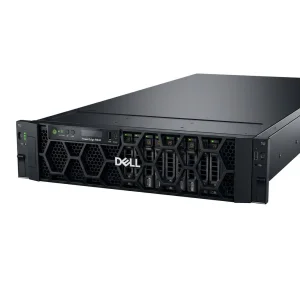
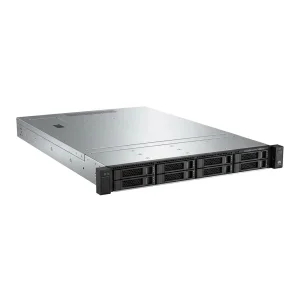
For regions requiring localized cloud platforms (e.g., regional European or Russian data centers), 1U dual-socket servers offer high compute density. These systems enable hosting providers to maximize virtual machine density per rack unit, reducing footprint and overhead costs.
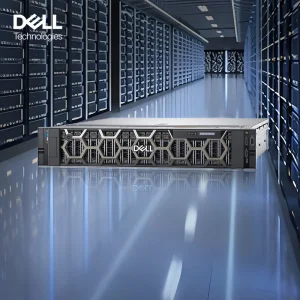
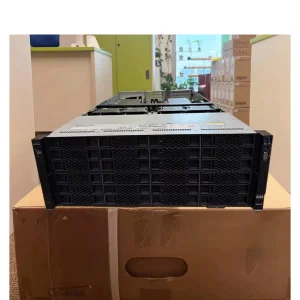
Heavy enterprise management platforms require high multi-thread capability and memory bandwidth. Multi-socket rack systems (e.g., 4-socket configurations) provide the necessary system resilience and memory capacity to handle complex business analytics and large database operations.
Deploying computing power at the network edge minimizes latency for real-time video analytics and regional content delivery. Dedicated edge GPU servers combine high-capacity NVMe storage with accelerator cards to run real-time inference with minimal latency.
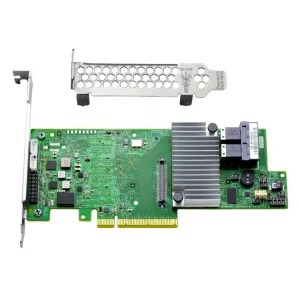
To support these applications, server platforms must integrate reliable system controllers, such as PCIe RAID controller cards (e.g., PCIe 4.0 storage controller interfaces), to maintain data redundancy and protection. A robust storage architecture prevents data loss, ensuring high availability and continuous service delivery for enterprise environments.
Operational reliability in enterprise deployments depends on rigorous quality assurance protocols. Every server configuration undergoes a multi-stage verification pipeline to ensure it meets strict quality and performance metrics prior to packaging and shipment.
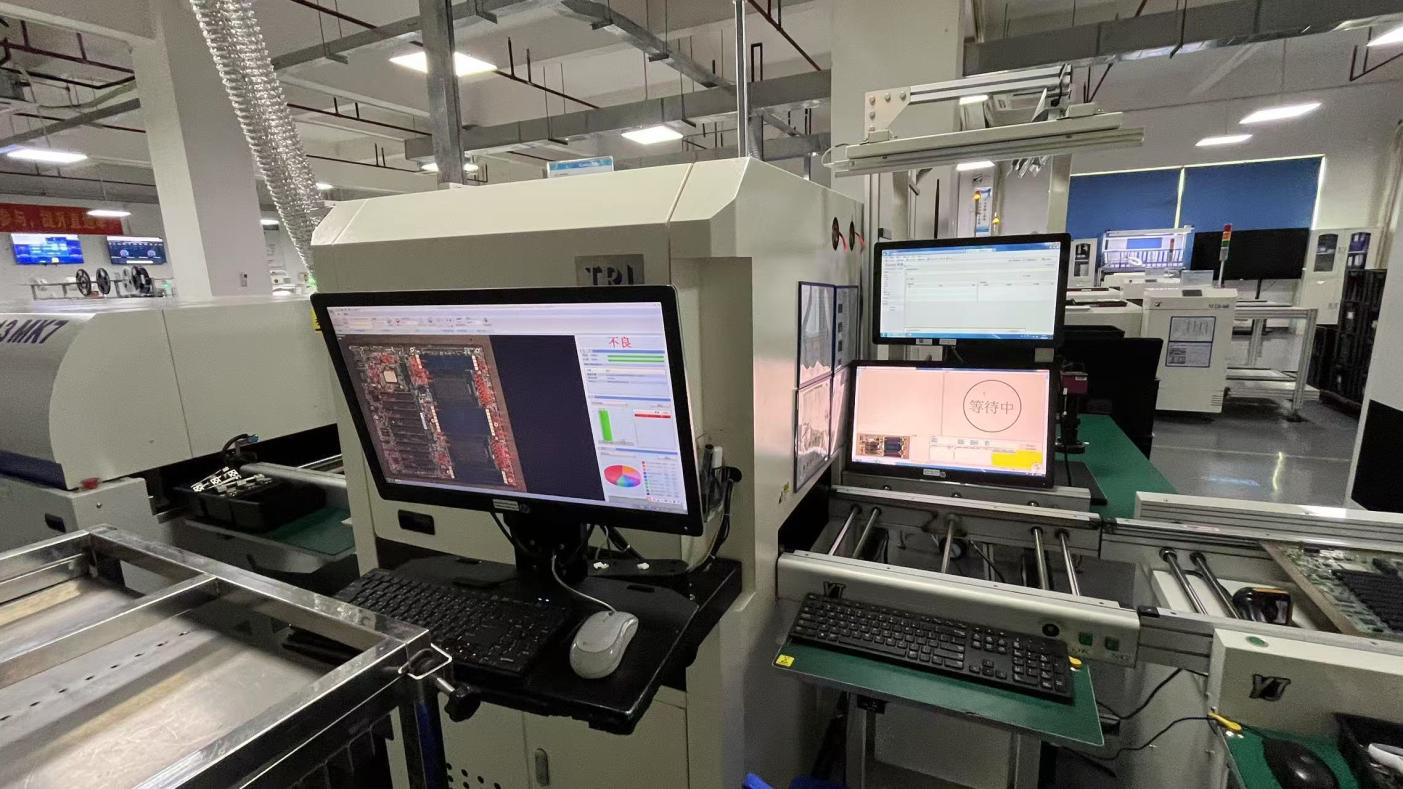
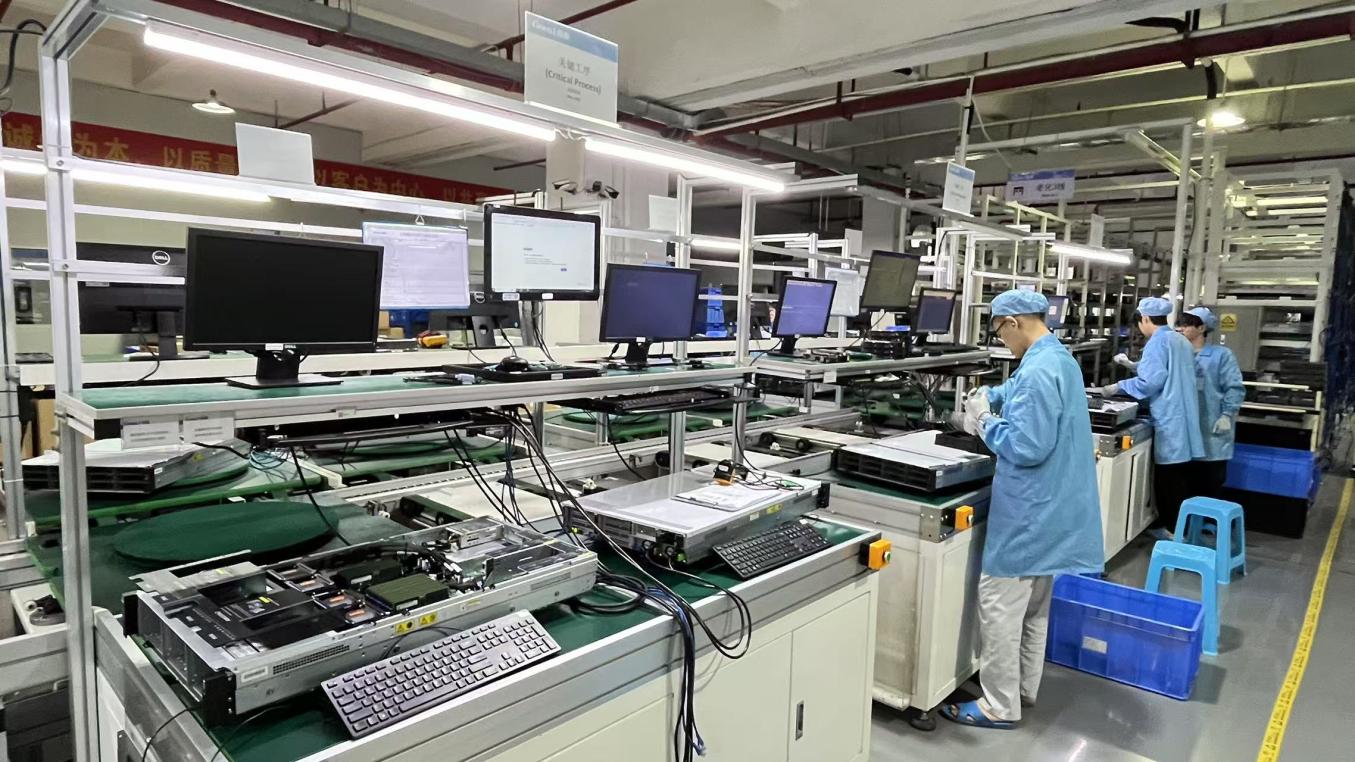
Our quality assurance process consists of five distinct testing phases:
Expert insights addressing key regulatory, supply chain, and hardware configuration queries from global IT buyers.
CE certification is a legal requirement for customs clearance and commercial sale within the European Economic Area. It indicates that the equipment complies with the RED, LVD, and EMC directives. Without verified CE documentation, shipments risk border delays or rejection by customs authorities.
Shenzhen provides a concentrated supply chain that integrates component sourcing, raw PCB fabrication, structural sheet metal production, and system testing. This ecosystem reduces transport times, accelerates prototyping, and lowers production overhead compared to geographically dispersed supply chains.
R&D teams focus on thermal engineering, high-efficiency power delivery, and signal integrity. They design optimized air channels, high-thermal-conductivity copper heatsinks, and select high-efficiency power supply units (PSUs) to maintain system performance under continuous, heavy processing loads.
Every server undergoes a comprehensive inspection process. This includes component verification, functional integration testing, high-temperature thermal testing, power cycle tests, and a 48-hour burn-in period overseen by qualified quality control inspectors.
OEM/ODM services cover custom physical chassis design, private labeling and branding, optimized internal cabling, customized BIOS and IPMI firmware configurations, and custom PCIe and GPU layout integrations to meet specific deployment requirements.
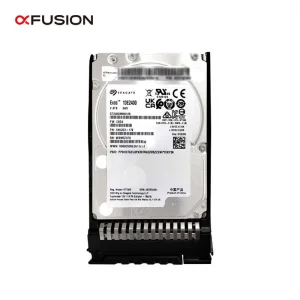
Reliable components and high-capacity storage platforms designed to minimize data latency and ensure high uptime.