Aivora
Aivora
Aivora
Enterprise-grade connectivity and storage interface cards built to maximize system throughput and reliability in critical US networks.
The United States data center market is undergoing an unprecedented architectural transformation. Driven by the explosive growth of artificial intelligence, large language models (LLMs), machine learning workloads, and high-performance computing (HPC), US data centers are demanding components that can withstand intense operational heat, high electrical current, and massive data throughput. Major tech hubs—from Ashburn, Virginia (the world’s largest data center concentration) to Silicon Valley, Dallas-Fort Worth, Chicago, and Phoenix—are rapidly transitioning from legacy monolithic server configurations to hyper-scale disaggregated architectures.
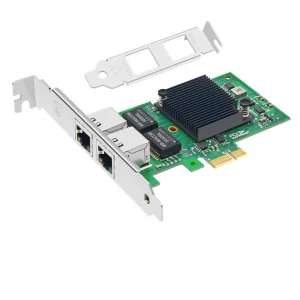
In these modern configurations, the server chassis is no longer a self-contained unit but part of a dynamic pool of compute, storage, and networking resources. This shift puts enormous pressure on server accessories. High-Bandwidth Host Bus Adapters (HBAs), intelligent RAID controllers, high-speed Direct-Attach Cables (DAC), high-voltage Power Supply Units (PSUs), and enterprise-grade solid-state drives (SSDs) are no longer secondary considerations; they are critical choke points that determine system reliability and latency. As US enterprise networks migrate to 400GbE and 800GbE fabric standards, components must deliver impeccable signal integrity and low power overhead to maintain PUE targets set by state and federal regulatory bodies.
The roadmap for US server components is dictated by the progression of the PCI Express (PCIe) bus standard. With PCIe Gen 5 now fully deployed in mainstream server platforms like Intel's Sapphire Rapids and AMD's Genoa, and PCIe Gen 6 on the immediate horizon, server components must adapt to double the bandwidth per lane. For storage and connectivity accessories, this evolution is critical. Tri-Mode RAID controllers, such as the LSI/Broadcom 9560 series, must seamlessly support SAS, SATA, and NVMe drives over high-speed PCIe Gen 4/5 interfaces, managing the high thermal loads generated by high-frequency processing.
The high-speed networking segment is transitioning from standard SFP+ (10Gb/s) to SFP28 (25Gb/s/32Gb/s) and QSFP+ / QSFP56 (40Gb/s to 100Gb/s and beyond) to feed hungry CPU and GPU architectures. In the storage domain, SAS/SATA SSDs are increasingly coexisting with high-performance NVMe PCIe Gen 4/5 SSDs (like the EP600 series), requiring backplanes and controller cards that can dynamically allocate lanes based on workloads. Over the next three to five years, we anticipate a standard requirement for fully disaggregated hardware where CXL (Compute Express Link) protocols will allow memory and storage expansion cards to be accessed with sub-microsecond latency across the entire rack.
To address these demands, Aivora offers comprehensive macro-level server accessory solutions tailored to the strict requirements of US enterprise clients. 1. High-Density Storage Solutions: Incorporating tri-mode controllers and high-density SAS/SATA/NVMe drive bays allows hyperscalers to maximize storage density in 1U and 2U server form factors. By deploying compatible array cards with up to 8GB cache, data centers achieve high IOPS for read-intensive and mixed-use database applications.
2. Thermal and Airflow Management: As server CPUs push past 350W TDP and GPUs exceed 700W, airflow optimization is paramount. We engineer specialized server heat sinks and custom brackets that align with high-velocity chassis fans to eliminate hotspots, preventing thermal throttling. 3. Edge Computing & Smart Infrastructure: For edge nodes deployed across US municipal networks, telecommunication towers, and smart factories, we provide compact, ruggedized accessories—such as vibration-resistant drive brackets, wide-temperature power modules, and low-latency SFP/QSFP cabling—ensuring reliable operations outside the controlled environment of a centralized data center.
Talk with our engineering team to customize firmware, configure rack compatibility, and secure factory-direct supply routes.
Send Inquiry NowHigh-efficiency server power supplies and premium connectivity cables verified to match US regulatory limits for heat dissipation and EMI.
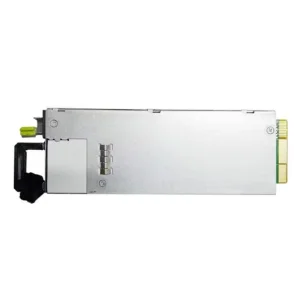
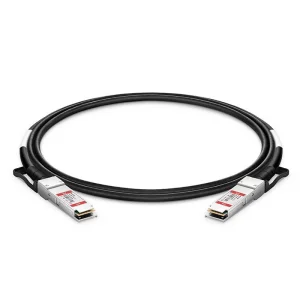
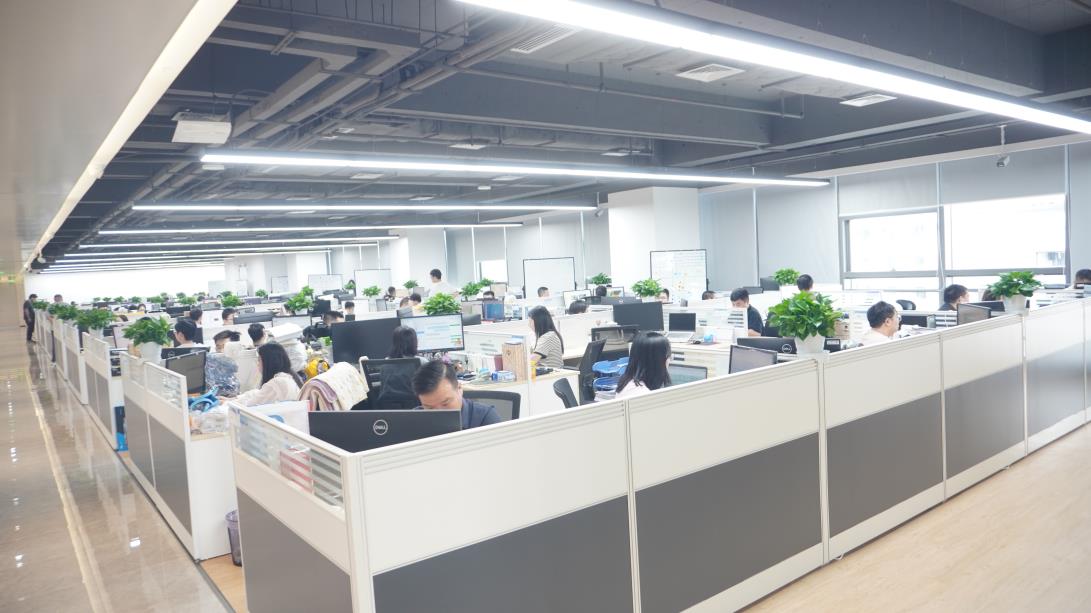
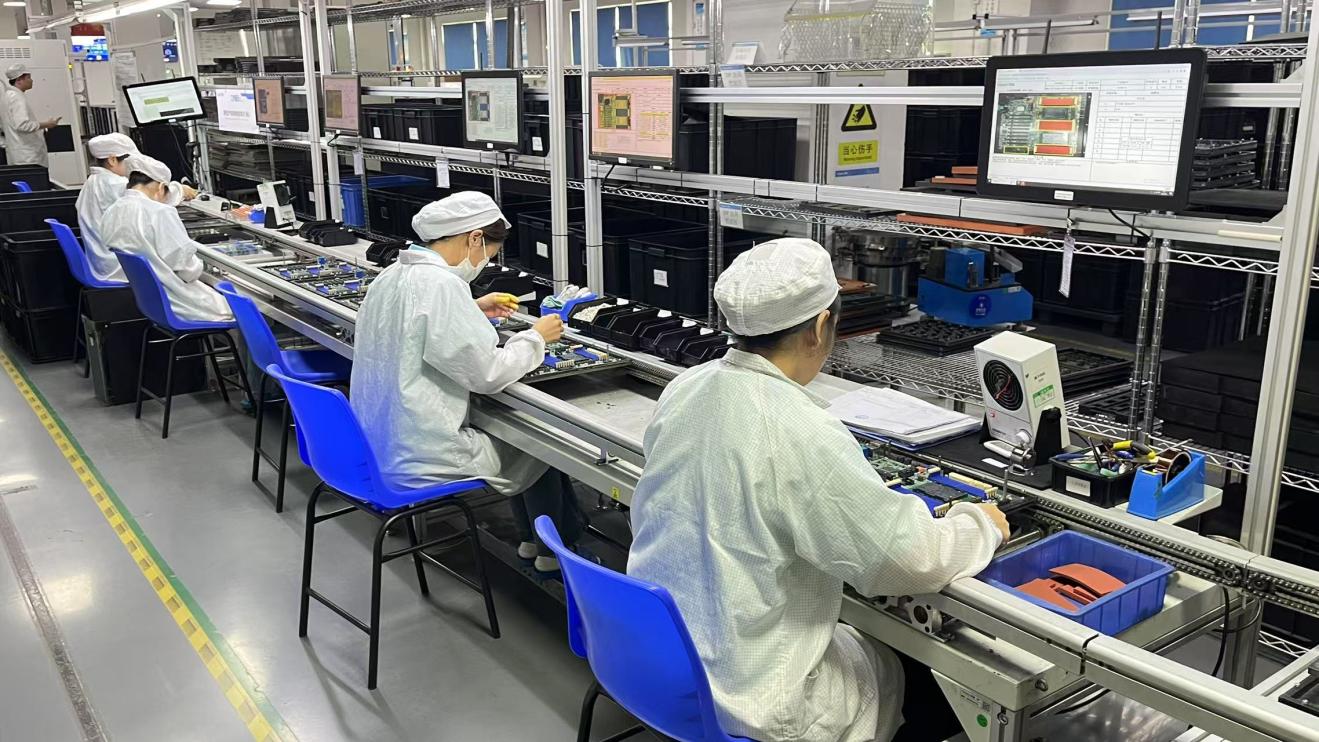
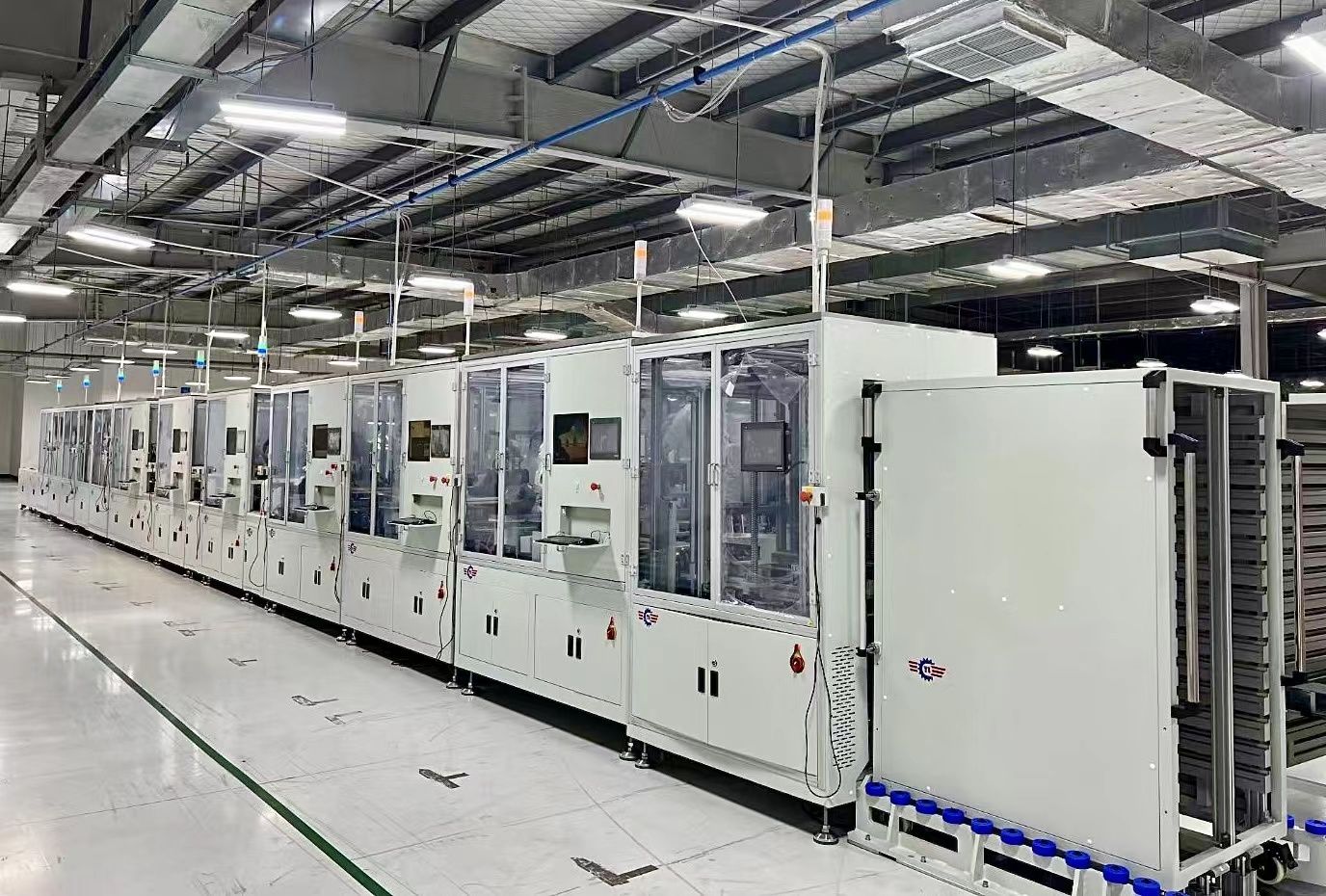
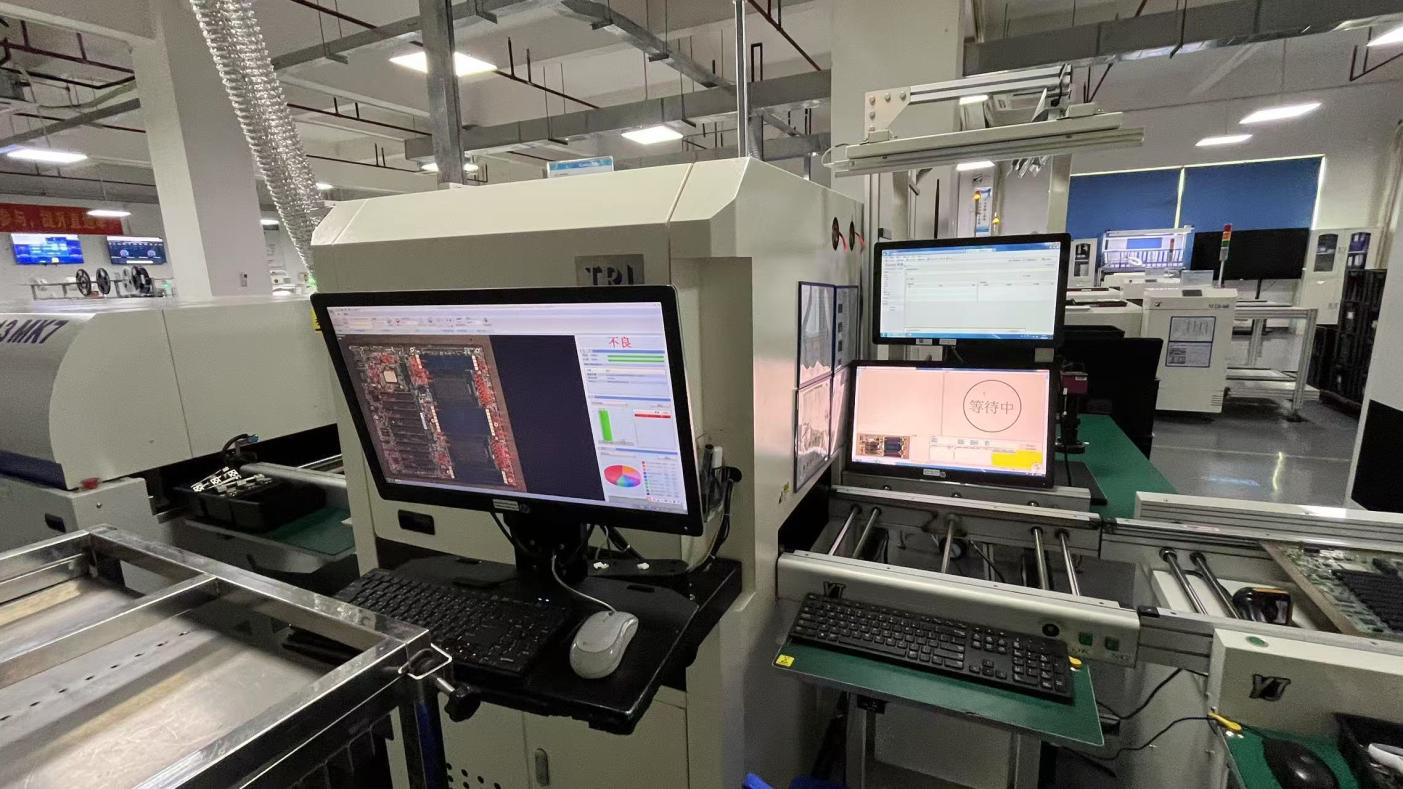
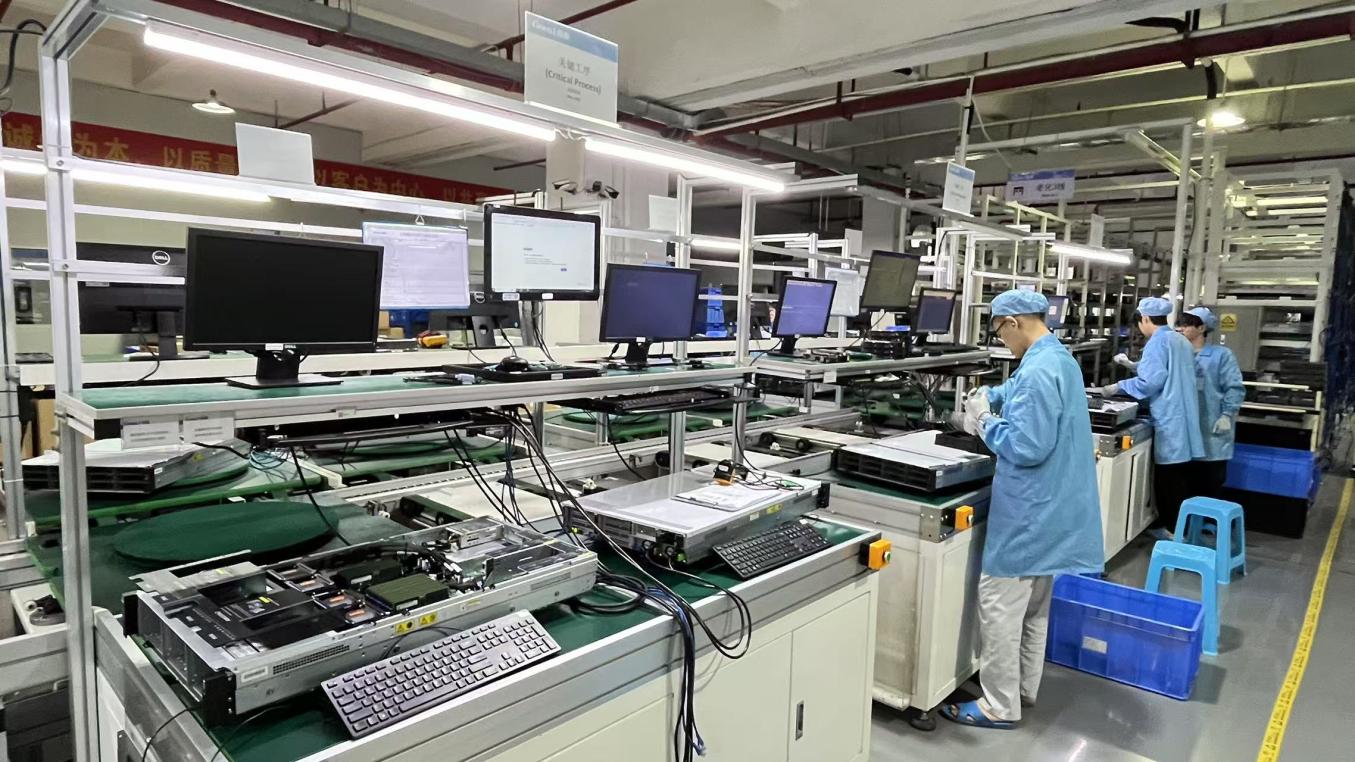
Aivora Technology Co., Ltd. represents the cutting edge of China's Factory 4.0 transformation, combining advanced automation, component-level traceability, and rigorous quality control to deliver server accessories with unmatched price-to-performance ratios. Operating from Shenzhen, the global epicenter of electronic hardware innovation, Aivora's state-of-the-art facility integrates automated assembly lines, precision SMT (Surface Mount Technology) processes, and dedicated testing chambers.
Our Factory 4.0 approach solves the traditional supply chain pain points of volatility and long lead times. Sourcing from a network of over 1,250 verified partners allows Aivora to secure high-quality chipsets (Broadcom, Intel, Emulex, etc.) even during industry-wide shortages. With a dedicated team of 128 R&D engineers, we customize hardware layouts to optimize thermal footprints and electrical performance, releasing 186 new products and custom design variants in the last fiscal year alone. Our 46 quality control inspectors run automated hardware stress testing to simulate high-stress conditions inside modern datacenters, providing 100% component validation before items leave our warehouse.
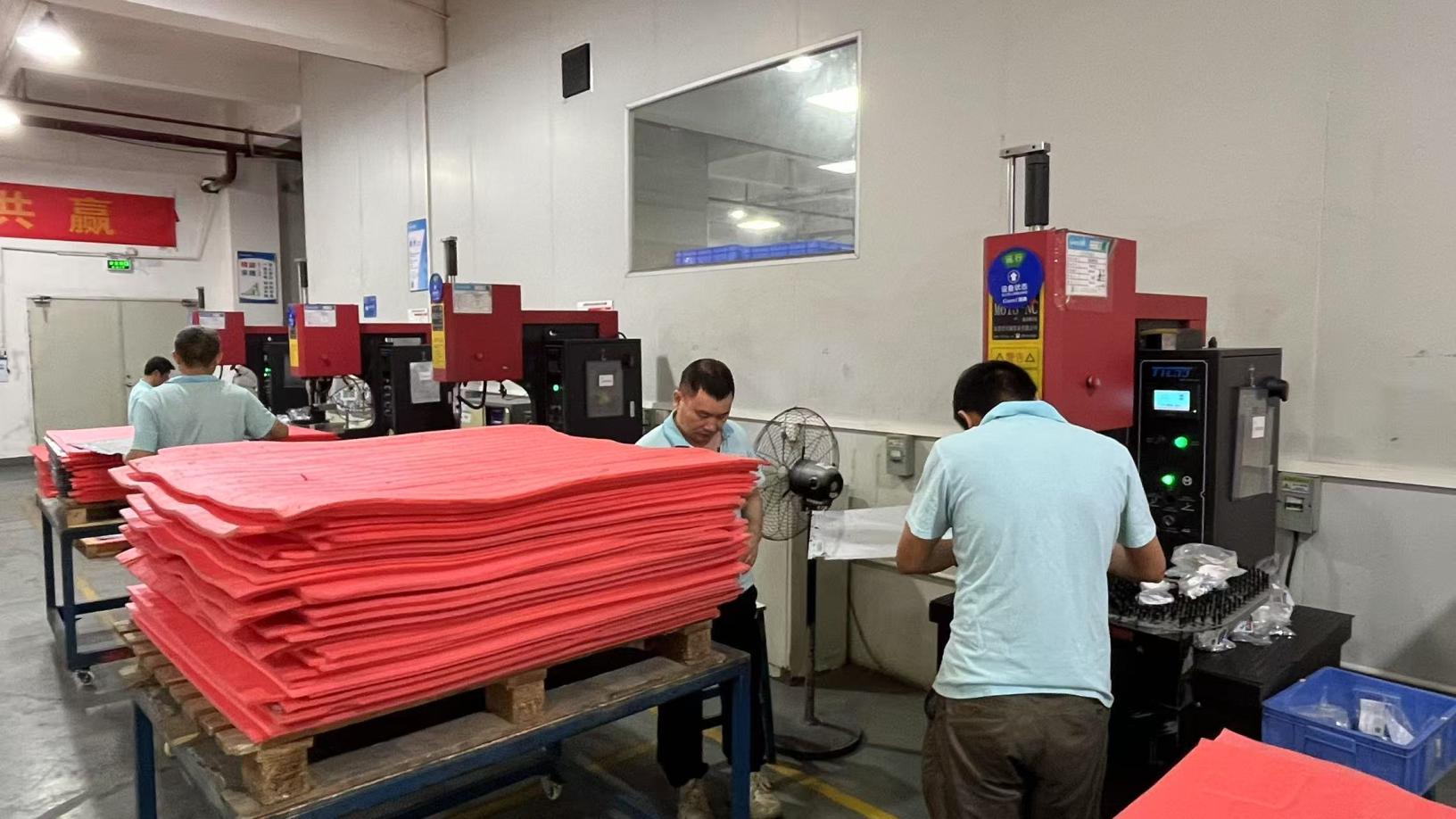

Exporting complex computing accessories to the United States requires absolute compliance with state and federal standards. Aivora’s dedicated logistics and compliance teams ensure all products shipped to US customers align with the following regulatory frameworks:
Additionally, we utilize double-layered static-shielding bags and heavy-duty, reinforced corrugated packing boxes that meet ISTA drop-testing parameters. By partnering with leading air freight carriers and customs agents, we facilitate fast-track logistics clearance at key US hubs like LAX, JFK, and ORD.
For procurement officers, hardware operations managers, and CTOs managing large-scale server infrastructure, optimizing Total Cost of Ownership (TCO) is a constant challenge. Relying strictly on original equipment manufacturers (OEMs) for accessory upgrades often incurs high premium markups, which can strain IT budgets during large-scale network expansions. By partnering with specialized server accessory manufacturers like Aivora, procurement teams can reduce hardware acquisition costs (CAPEX) by 30% to 50% without sacrificing system performance or durability.
We ensure that our compatible components share the identical physical, electrical, and firmware properties as their OEM counterparts. This alignment guarantees seamless operation alongside existing systems and eliminates incompatibility issues that can lead to fan-speed anomalies, bios errors, or kernel panics. Additionally, we back all our enterprise components with robust warranties and provide continuous engineering support to address firmware updates or integration needs.
Providing high-performance hardware infrastructure and server accessories with proven operational stability and reliability since 2018.
Aivora Technology Co., Ltd. is a professional AI server manufacturer dedicated to delivering high-performance GPU server solutions, AI computing infrastructure, and customized data center systems for customers worldwide. Established in 2018, the company has rapidly grown into a trusted partner for enterprises, cloud service providers, AI startups, research institutions, and system integrators seeking reliable and scalable AI computing platforms.
Located in Shenzhen, China, Aivora operates a modern manufacturing facility covering 386 square meters and integrates advanced production, testing, and quality management systems to ensure consistent product performance and reliability. With over 8 years of export experience, we have successfully served customers across North America, Europe, Southeast Asia, the Middle East, and South America.
Explore our complete range of certified server accessories, designed to drop in seamlessly to your existing server bays and expand compute capabilities.
Get answers to common engineering, compliance, and logistics questions regarding the export and integration of server accessories.
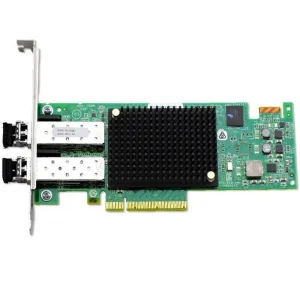
Upgrading to 32Gb/s SFP28 (Fibre Channel/Ethernet) doubles the bandwidth of legacy 16Gb/s cards. This reduces data transmission bottlenecks in Storage Area Networks (SANs), lowering database latency, accelerating virtualization density, and enabling faster backup times. Our Emulex-compatible cards feature advanced offload engines that free up host CPU resources, ensuring optimal performance for mission-critical applications.
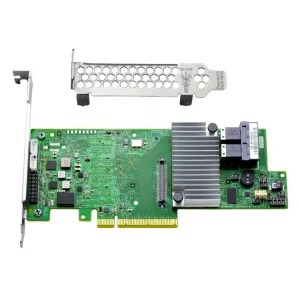
Tri-Mode RAID controllers utilize Broadcom’s innovative SerDes technology to dynamically negotiate protocols on a single port. The controller automatically detects whether a connected drive is SAS, SATA, or NVMe (PCIe) and configures the signal path accordingly. This allows US data centers to build highly flexible, tiered storage systems—using ultra-fast NVMe SSDs for hot data cache and high-capacity SAS/SATA HDDs for cold storage—without requiring separate controller cards.
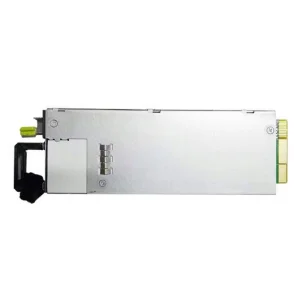
80 Plus Platinum certification guarantees that the PSU operates at up to 94% efficiency under a 50% load. In high-density US datacenters, efficiency directly correlates to reduced operational costs. Higher efficiency means less electrical energy is wasted as heat, resulting in lower power bills and reduced cooling requirements (reduced HVAC load), which lowers the overall PUE (Power Usage Effectiveness) of the data center.
All our compatible array cards, HBA cards, power supplies, and storage drives undergo firmware-level tuning and compatibility testing in our Shenzhen labs. We maintain an extensive hardware matrix containing the latest server platforms from xFusion, Dell, HPE, and Lenovo. This allows us to flash components with the exact EEPROM/firmware configurations required to prevent system errors, fan speed spikes, or UEFI/BIOS detection failures.
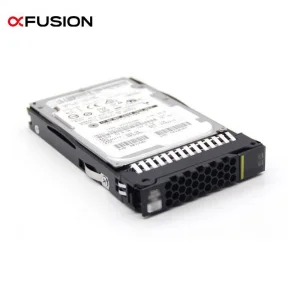
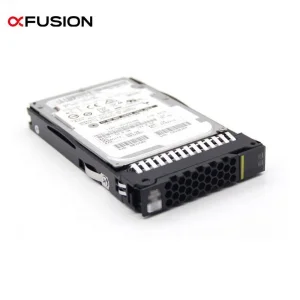
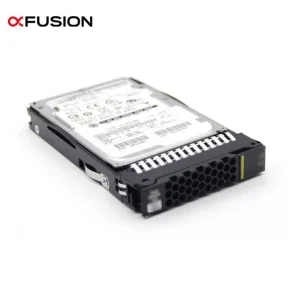
Enterprise-grade SAS and SATA HDDs are engineered for 24/7 continuous operation under high workloads. They feature Rotational Vibration (RV) sensors that mitigate the performance degradation caused by multi-drive chassis vibrations. Additionally, they use advanced firmware optimized for RAID configurations (supporting TLER/ERC), preventing drives from falling out of RAID arrays during minor error-recovery cycles.