Aivora
Aivora
Aivora
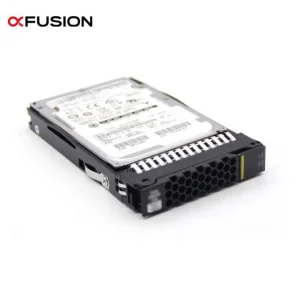
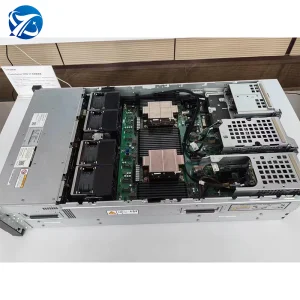
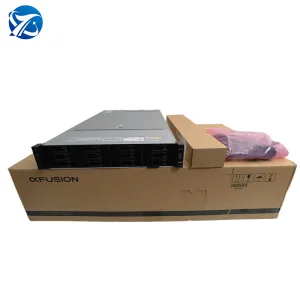
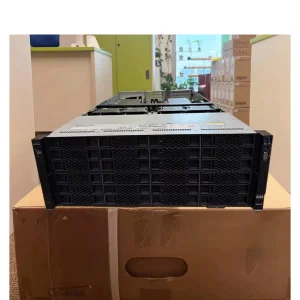
In the era of hyper-scale computing, artificial intelligence foundation models, and distributed cloud computing frameworks, data storage remains the ultimate bottleneck. Securing reliable components from the world's top trusted hard disk manufacturers and factories is no longer just a procurement function; it is a critical strategy for enterprise infrastructure architecture. The demand for massive capacity, uncompromising read/write endurance, and zero-latency data access requires a deep understanding of current HDD/SSD technical roadmaps, manufacturing ecosystems, and quality assurance workflows.
Aivora Technology Co., Ltd. represents the cutting edge of this industrial landscape. As a specialized high-performance AI server manufacturer and customized storage system provider, Aivora integrates direct factory sourcing, stringent component selection, and enterprise system design to satisfy the requirements of global clients.
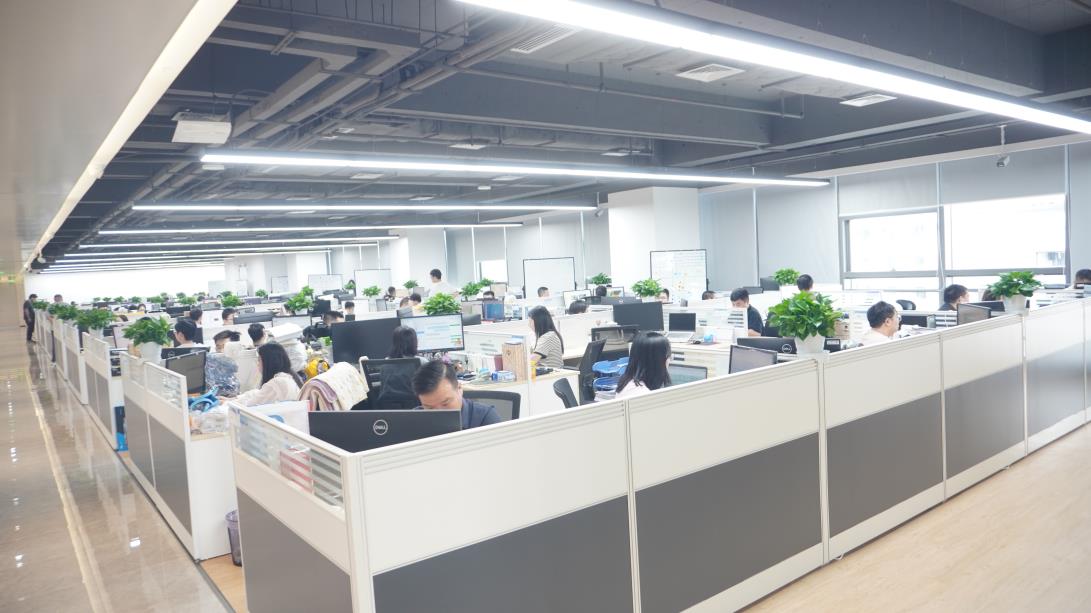
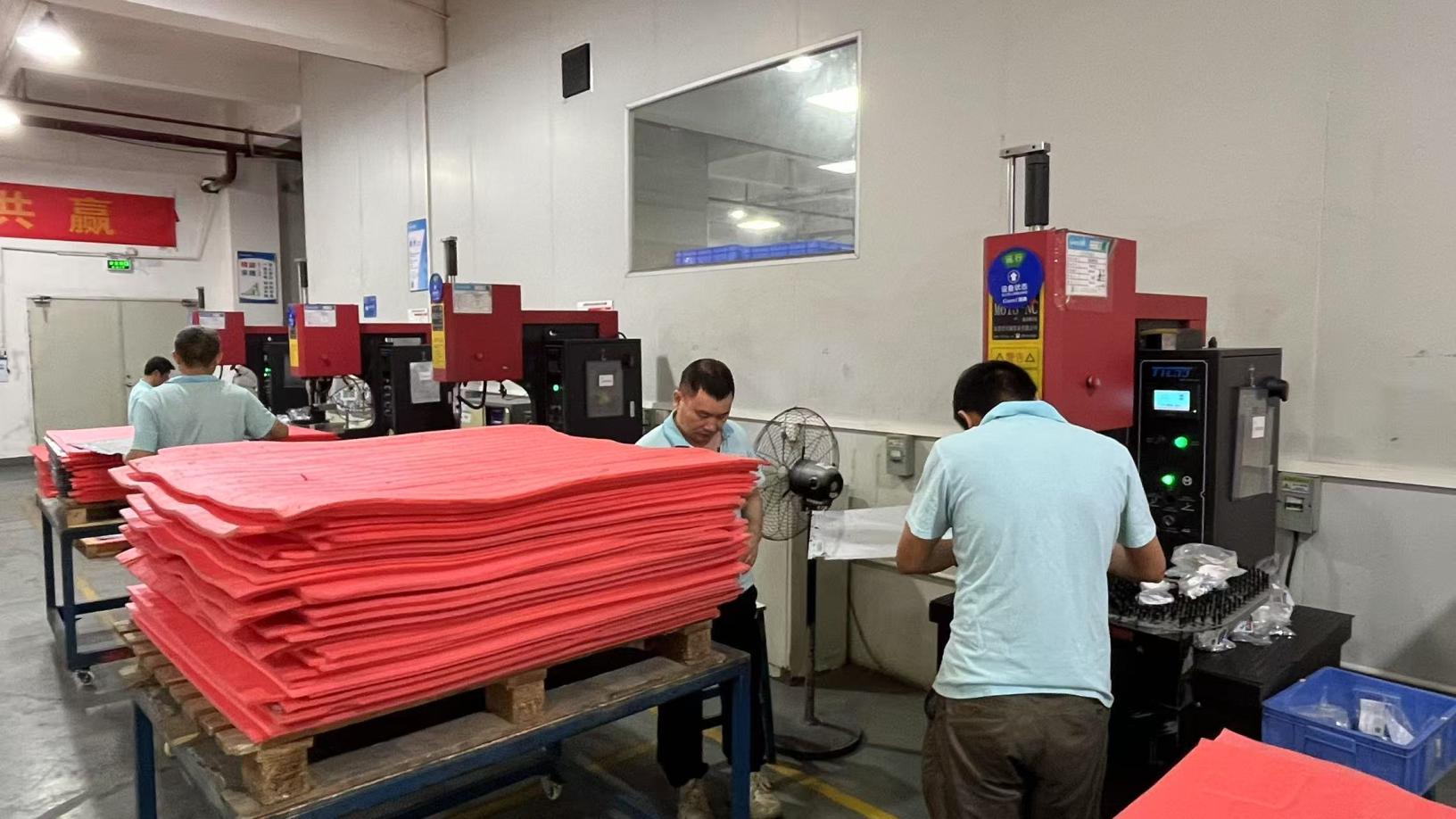
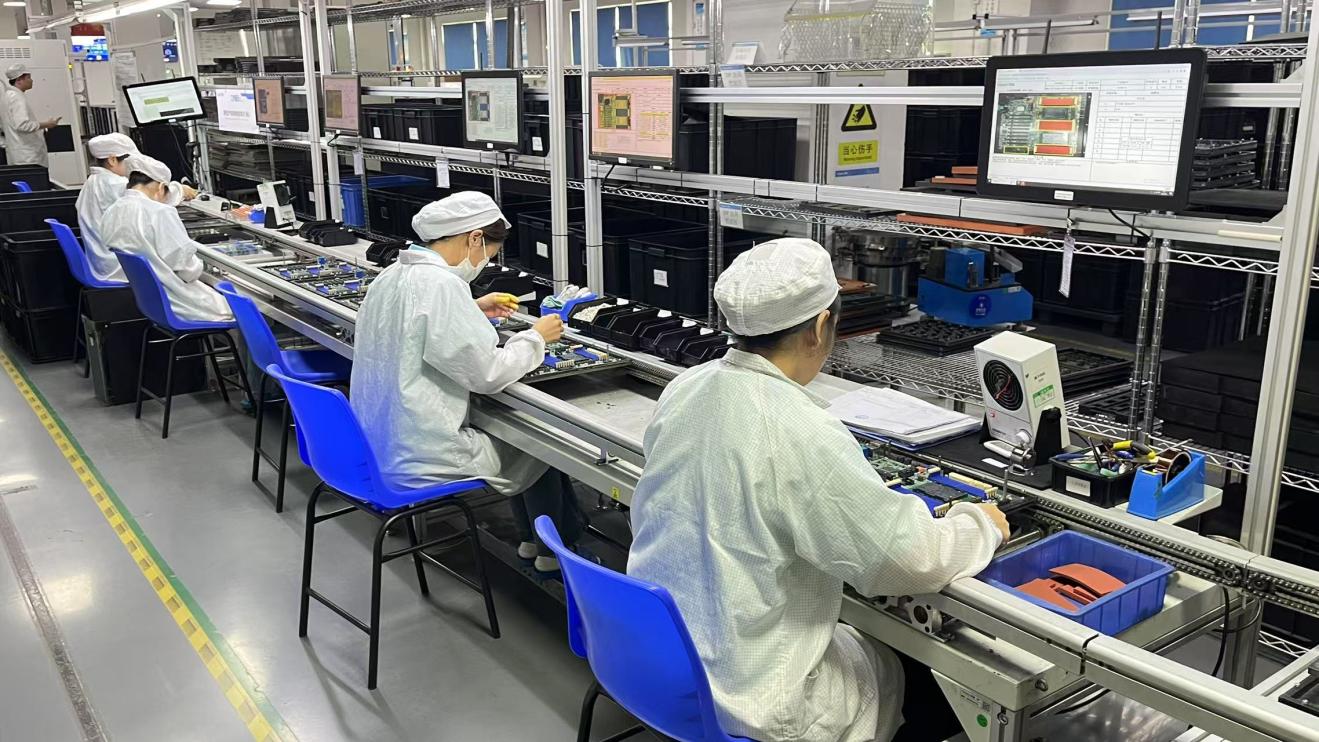
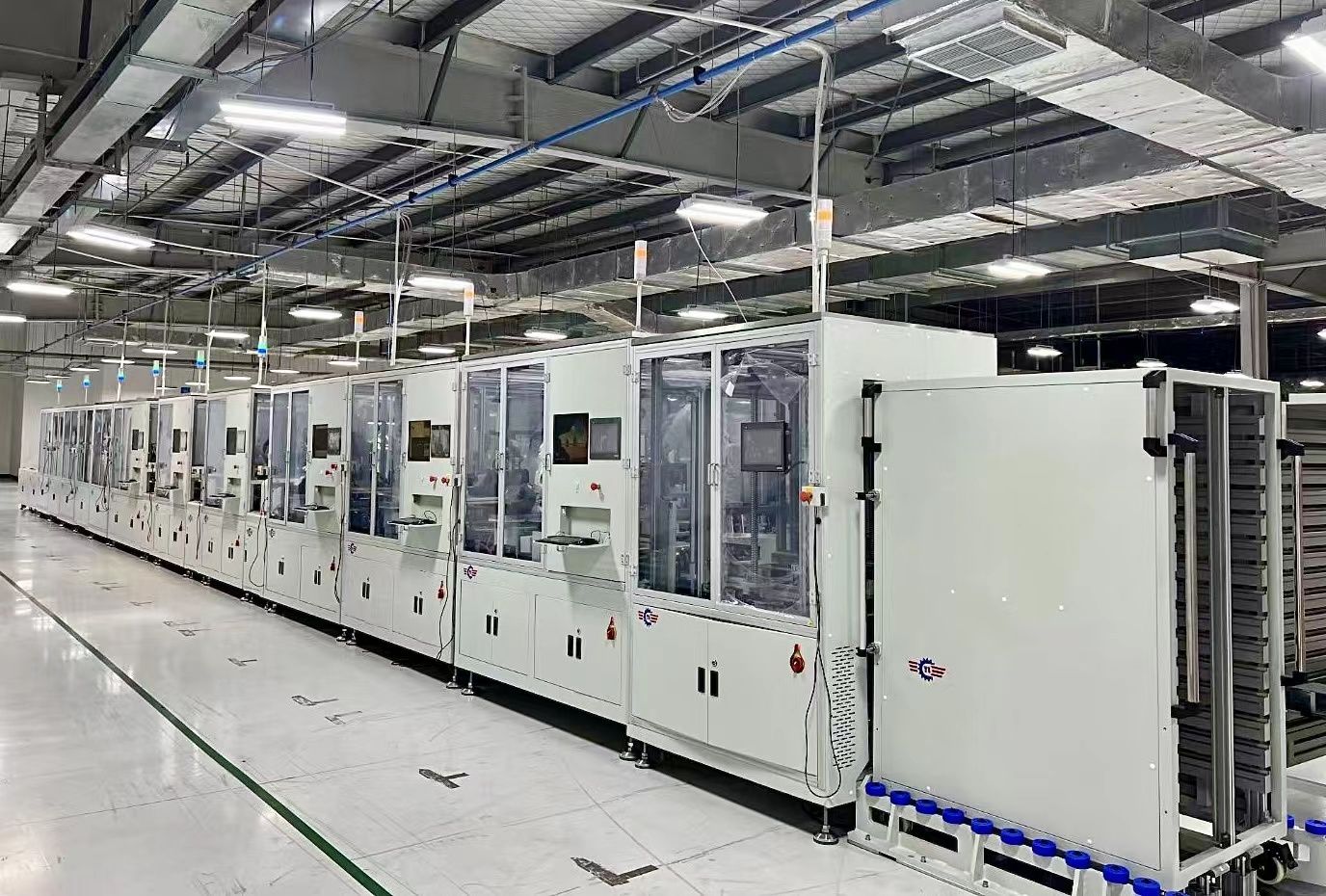
Founded in 2018, Aivora operates out of a modern manufacturing facility spanning 386 square meters in Shenzhen, China. By bridging raw drive components from tier-one factories with enterprise-level servers and high-density NAS/SAN array designs, we offer complete OEM/ODM solutions. Over the last year, our R&D team successfully launched 186 new products and custom configuration variants, shipping more than $18 million in high-performance hardware to markets across North America, Europe, South America, and Asia.
The continuous expansion of cloud infrastructures relies heavily on mechanical magnetic storage keeping pace with density requirements. While Solid State Drives (SSDs) dominate rapid access tiers, high-capacity mechanical hard disks remain the foundation of bulk-tier archives. Leading global hard disk manufacturers focus heavily on magnetic recording innovations to push the limits of areal density.
Heat-Assisted Magnetic Recording (HAMR) and Microwave-Assisted Magnetic Recording (MAMR) utilize external energy sources (lasers or spin-torque oscillators) to temporarily alter coercivity, allowing data writing to smaller physical magnetic grains. This extends capacity past 30TB per drive.
Dual-actuator technologies split a single hard drive's head stack into independent assemblies. This doubles throughput and IOPS (Input/Output Operations Per Second) simultaneously, ensuring enterprise storage hosts can retrieve data rapidly without bottlenecks.
By replacing ambient air with low-density Helium inside sealed enclosures, manufacturers reduce internal turbulence and friction. This allows for thinner platters, less heat generation, lower power consumption, and improved overall reliability.
| Storage Type & Technical Spec | Common Interfaces | Ideal Workloads | MTBF Rating (Hours) | Capacity Horizons |
|---|---|---|---|---|
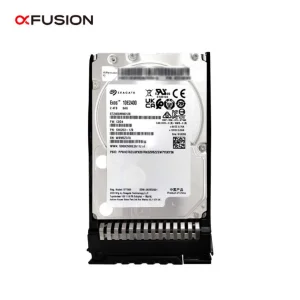
| Enterprise SAS HDD (Helium) | SAS 12Gb/s, 24Gb/s | Warm/Cold Storage, Data Lake Archives, RAID Arrays | 2.5 Million | 20TB – 32TB+ |
| Enterprise SATA HDD | SATA 6Gb/s | Backup Repositories, Video Surveillance, Scale-out NAS | 2.0 Million | 16TB – 24TB |
| NVMe PCIe Gen5/6 SSD | U.2, U.3, E3.S, M.2 | AI Inferencing, Deep Learning, Real-time Transactional DB | 2.0 Million (High DWPD) | 1.6TB – 30.72TB+ |
| SATA SSD (S4520 / EP600 Series) | SATA 6Gb/s, PCIe NVMe Hybrid | Server Boot Drives, Mixed Read-intensive Cloud Nodes | 2.0 Million | 480GB – 6.4TB |
Different computational workloads place unique stress configurations on data storage architecture. Sourcing hard disks and building customized server platforms demands a precise alignment between hardware specifications and application demands.
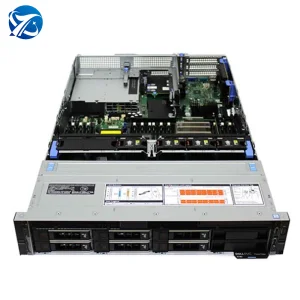
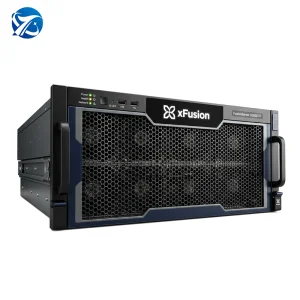
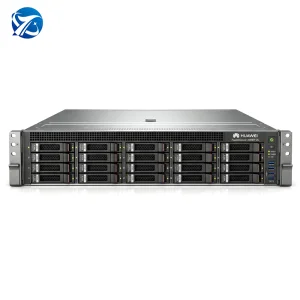
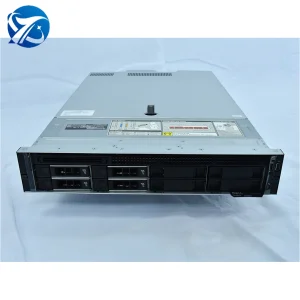
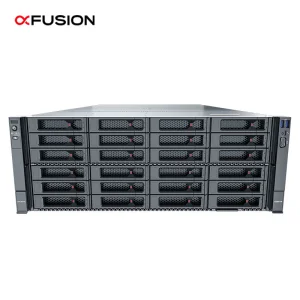
Cloud data centers depend on maximizing rack storage densities and minimizing energy costs. High-capacity helium-filled SATA and SAS drives are standard for the cold archive storage tiers, while rapid-access databases utilize NVMe drives like the EP600 or S4520 series. Aivora's high-density 2U and 4U servers (e.g., FusionServer 5288 V7) are optimized to handle up to 36 high-capacity 3.5-inch drives in a single chassis, optimizing data-density-per-rack metrics.
Large AI language models and deep learning training workloads require constant data streaming to the GPU array. Standard storage arrays create significant bottlenecks. The optimal architecture uses hybrid setups: high-speed NVMe SSDs for rapid checkpoint saving and batch data feeding, and high-capacity SAS hard disks for training dataset cold archives.
Network Attached Storage (NAS) configurations demand hard disks that are explicitly built to withstand rotational vibration (RV). High-end enterprise drives contain integrated sensors to detect mechanical vibration and adjust the head positioning instantly, preventing write performance degradation and maintaining high availability across high-disk enclosures.
For transaction-heavy configurations, hardware-level RAID arrays are paired with high-performance storage. Reliable RAID controllers, such as the LSI 9560-16I (8GB cache) or the 9560-8I, manage high-density SSD arrays, ensuring data redundancy and write-caching safety via supercapacitor battery backup modules.
Shenzhen, China, acts as the center of global hardware manufacturing and electronics supply chain logistics. By leveraging this location, Aivora gains access to premium electronic components, raw materials, controller chips, and assembly technologies. Our integration within this ecosystem provides a competitive edge in pricing, rapid prototyping, scale manufacturing, and shipping turnaround.
Every hard disk and flash memory module integrated into our systems is sourced directly from top brand factories. We use components certified for continuous enterprise workloads (24/7/365 availability) to prevent early drive failure.
Prior to shipment, all hard disk and server assemblies go through thermal chamber testing and continuous write/read loops. This helps identify early life failure or manufacturing variances before shipping, ensuring field stability.
Our Quality Control department is staffed by 46 certified inspectors. They oversee verification procedures, ranging from electrostatic discharge (ESD) handling safety to system-level diagnostic validation.

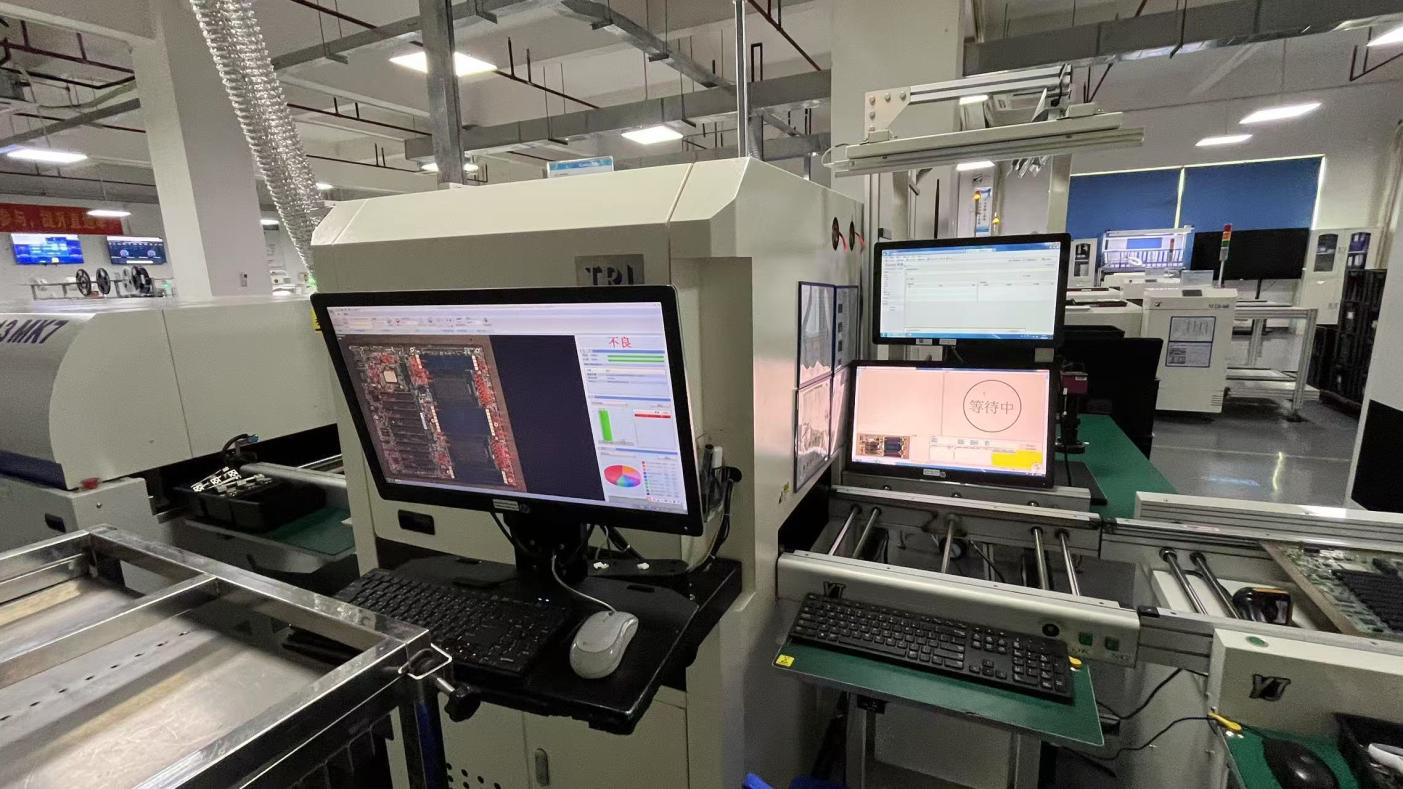
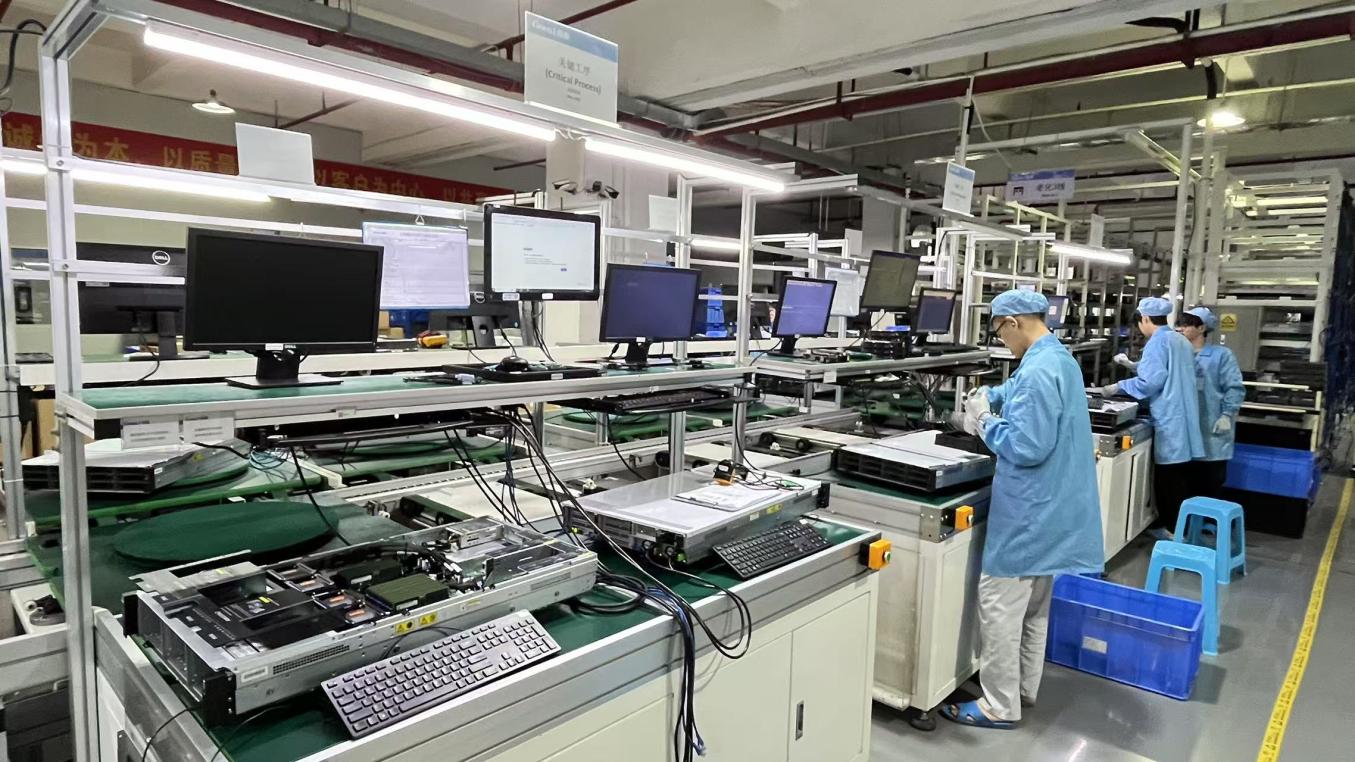
Deploying global storage systems requires meeting strict regulatory environments. Global trade, security, and environmental directives require hard drives and server configurations to follow safety and data-privacy policies.
All products distributed by Aivora carry CE, FCC, and RoHS markings. This ensures compliance with EU electromagnetic emission requirements and guarantees the reduction of hazardous substances within the hard disk PCBs and assemblies. We conform strictly to WEEE (Waste Electrical and Electronic Equipment) directives to encourage eco-responsible recycling workflows.
Data security is central to modern infrastructure. We configure systems utilizing Self-Encrypting Drives (SEDs) supporting TCG Enterprise or Opal 2.0 criteria. These hardware security measures assist companies in satisfying data-at-rest encryption requirements under GDPR, HIPAA, and CCPA guidelines, eliminating manual data wiping procedures.
When evaluating high-capacity storage drives and matching chassis systems from manufacturing plants, enterprise buyers must balance upfront purchasing costs against operational efficiency. This guide outlines the key metrics to calculate before placing large-scale bulk orders.
TCO calculation goes beyond pricing per gigabyte. It includes energy metrics (Watts/TB), cooling requirements in dense racks, and slot efficiency. Modern 24TB and 30TB Helium hard disks improve efficiency by consuming up to 30% less power per terabyte compared to older, smaller capacity mechanical drives.
For flash array deployments (SSDs), Drive Writes Per Day (DWPD) and Terabytes Written (TBW) determine product lifespan. Real-time logging databases require high DWPD drives (e.g., EP600 or equivalent write-intensive modules) to handle constant writes without early cell degradation.
For large storage configurations, Mean Time To Failure (MTTF) and Uncorrectable Bit Error Rates (UBER) are critical metrics. High-grade drives typically achieve a 2.5 million-hour MTTF, minimizing array rebuild risks and data loss events.