Aivora
Aivora
Aivora
Explore our high-performance rackmount servers tailored to accelerate Product Lifecycle Management (PLM), finite element analysis (FEA), and heavy CAD/CAE rendering workloads.
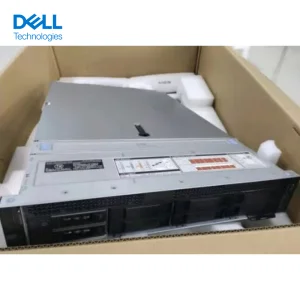
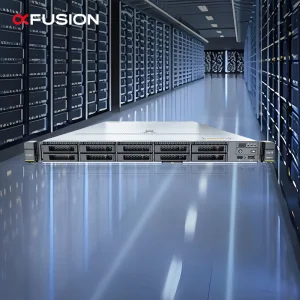
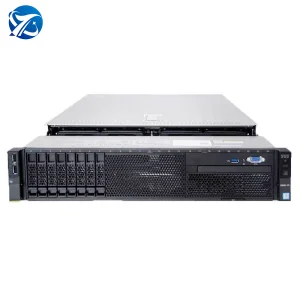
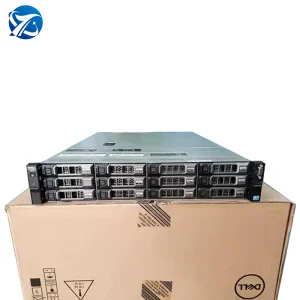
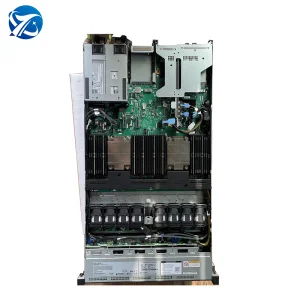
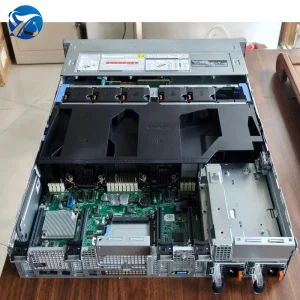
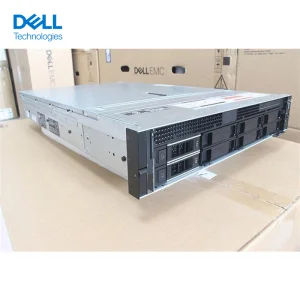
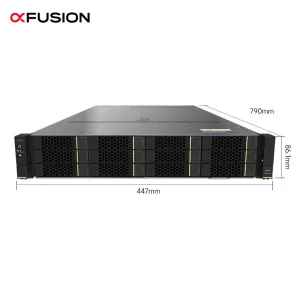
Product Lifecycle Management (PLM) has transcended its traditional role as a mere database for computer-aided design (CAD) files. In today’s interconnected global supply chains, PLM platforms like Siemens Teamcenter, Dassault Systèmes 3DEXPERIENCE, and PTC Windchill serve as the central nervous system for enterprise digital transformations. However, as organizations transition to real-time digital twins, IoT telemetry integration, and AI-assisted generative engineering, the underlying physical computational infrastructure faces unprecedented compute demands.
Without high-density, low-latency computing hardware, enterprise PLM systems suffer from severe processing bottlenecks. Designers lose productive hours waiting for finite element analysis (FEA) and computational fluid dynamics (CFD) simulation runs. Global engineering teams experience latency lags when querying massive assembly bills of materials (BOMs) across regional nodes. Resolving these challenges requires highly optimized multi-socket rack servers, high-throughput storage systems, and advanced GPU acceleration pipelines configured specifically for industrial lifecycle processes.
"The convergence of generative AI and product design necessitates a structural rethink of enterprise infrastructure. Organizations that rely on legacy server stacks to manage complex PLM systems risk prolonged time-to-market cycles and decreased engineering efficiency. Modern PLM demands high-density, multi-core CPU architectures combined with enterprise-grade GPU platforms to handle real-time physics simulations, 3D visualization, and automated supply chain telemetry."
How global industries deploy customized computing topologies to power their engineering software suites, optimize assembly configurations, and coordinate global design cycles.
Aerodynamic modeling, crash-testing analysis, and complex lightweight structural designs necessitate high-density computing clusters. Using dual-socket Intel Xeon or AMD EPYC platforms ensures rapid processing of hundreds of simulation parameters, reducing physical prototype testing cycles by up to 40%.
Managing the lifecycle of high-tech devices requires synchronized electronic and mechanical design environments. Our computing platforms provide the raw database speed needed to synchronize huge mechanical CAD layouts with complex electronic design automation (EDA) schematics, ensuring error-free component placements.
Real-time telemetry analytics overlay physical machinery with digital models. By routing millions of edge-sensor data points into high-performance rackmount database architectures, industrial companies can dynamically monitor wear, predict failures, and iterate next-generation product revisions directly inside the PLM software.
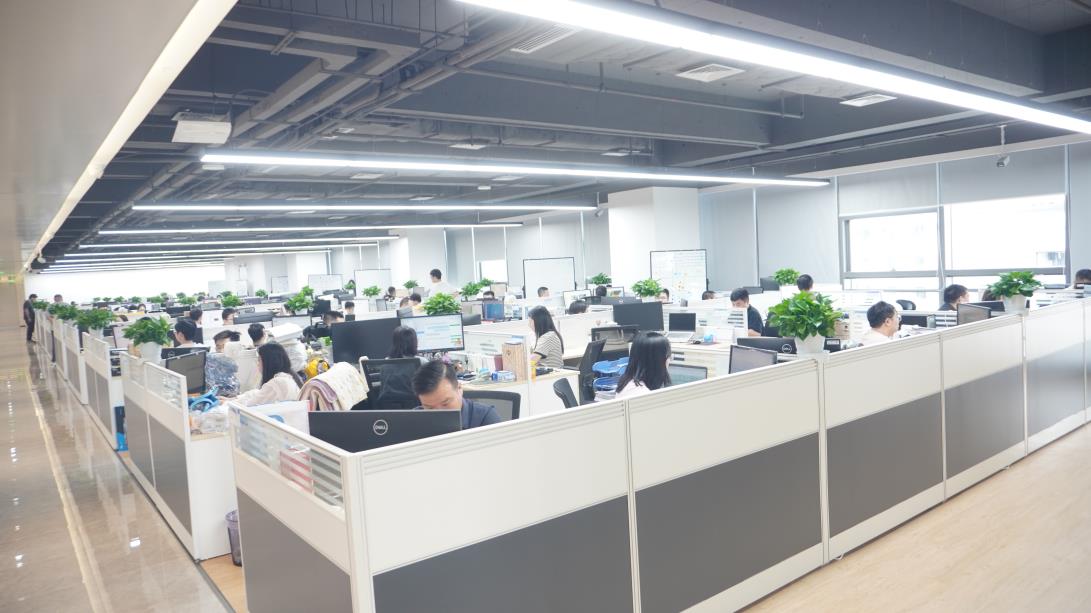
Aivora Technology Co., Ltd. is a professional AI server manufacturer dedicated to delivering high-performance GPU server solutions, AI computing infrastructure, and customized data center systems for customers worldwide. Established in 2018, the company has rapidly grown into a trusted partner for enterprises, cloud service providers, AI startups, research institutions, and system integrators seeking reliable and scalable AI computing platforms.
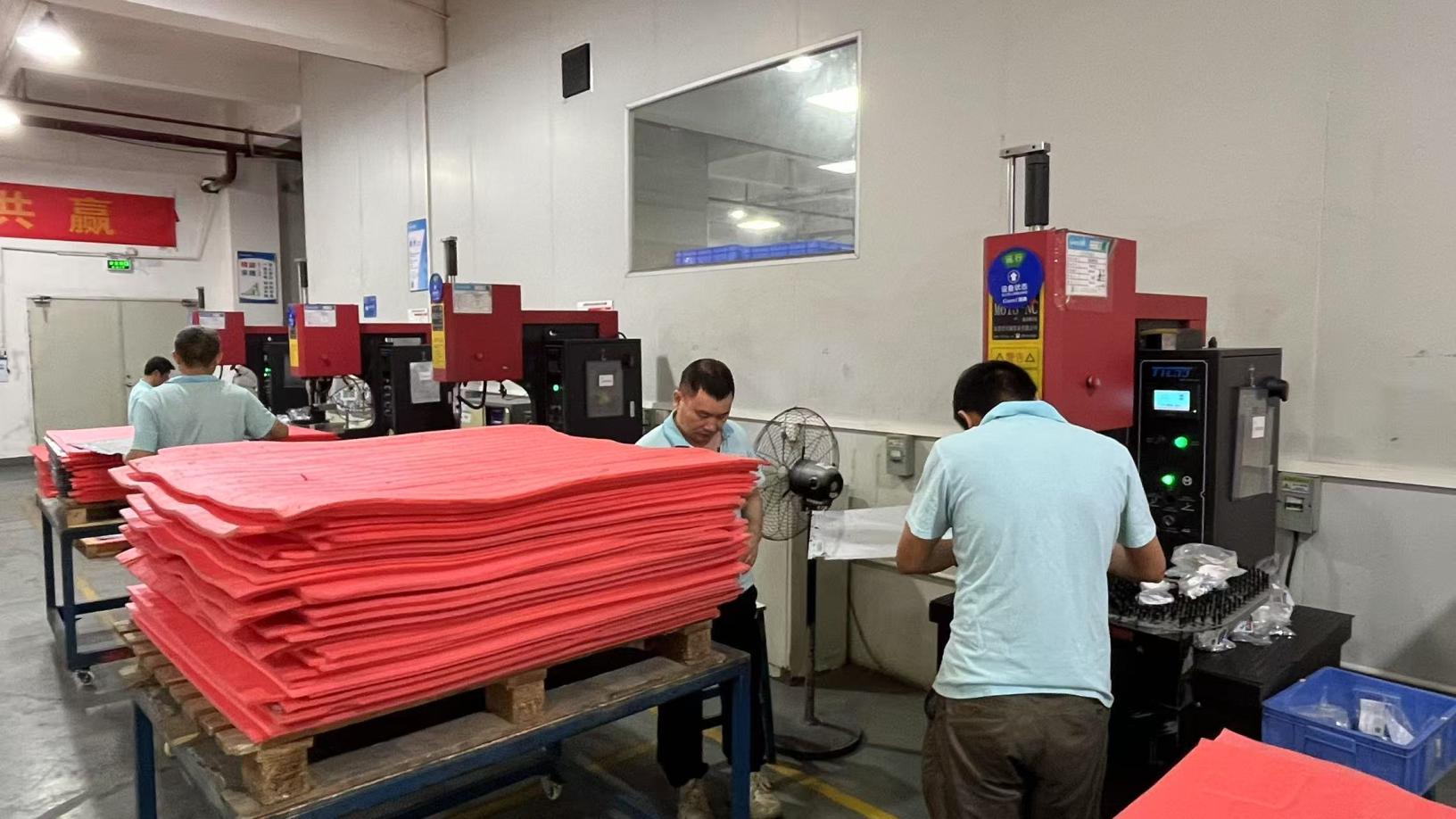
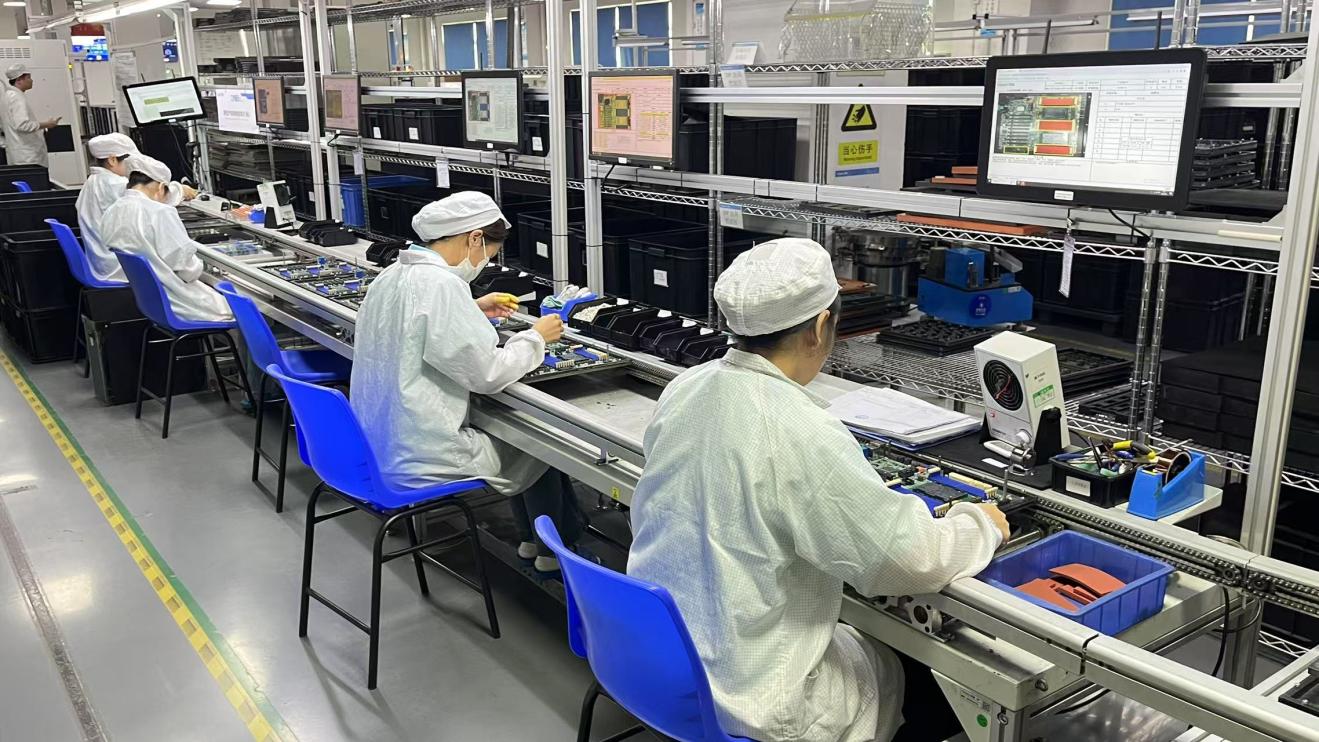
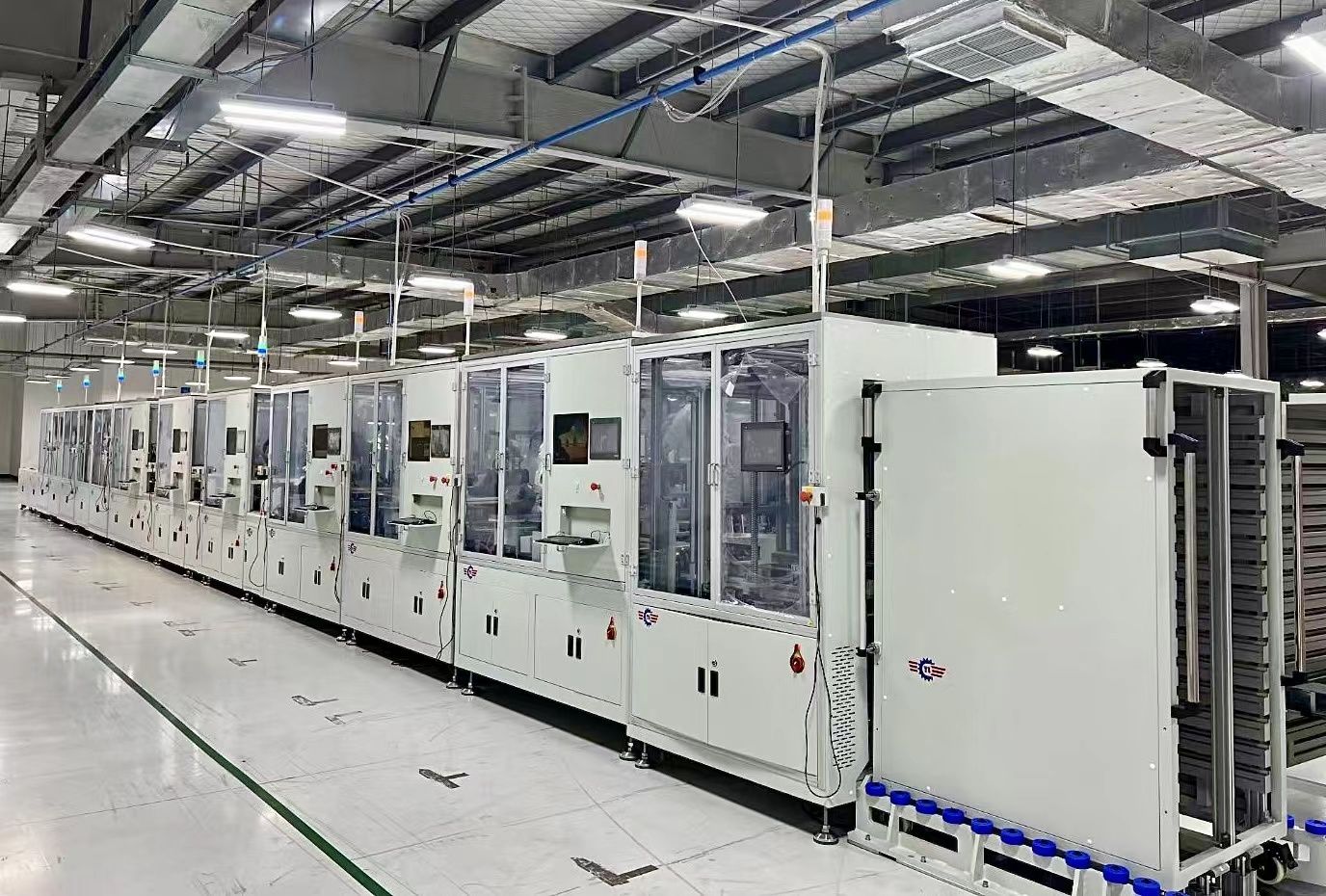
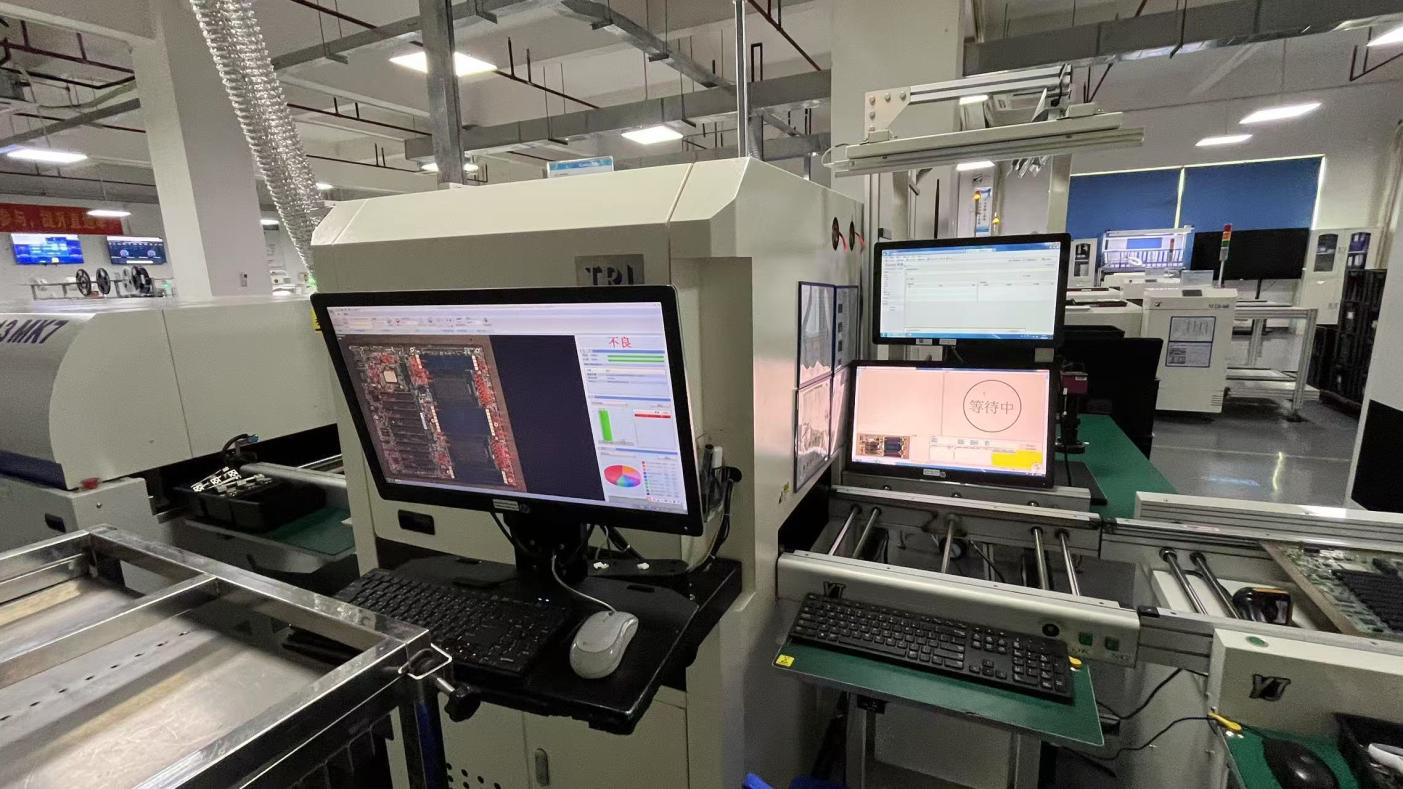
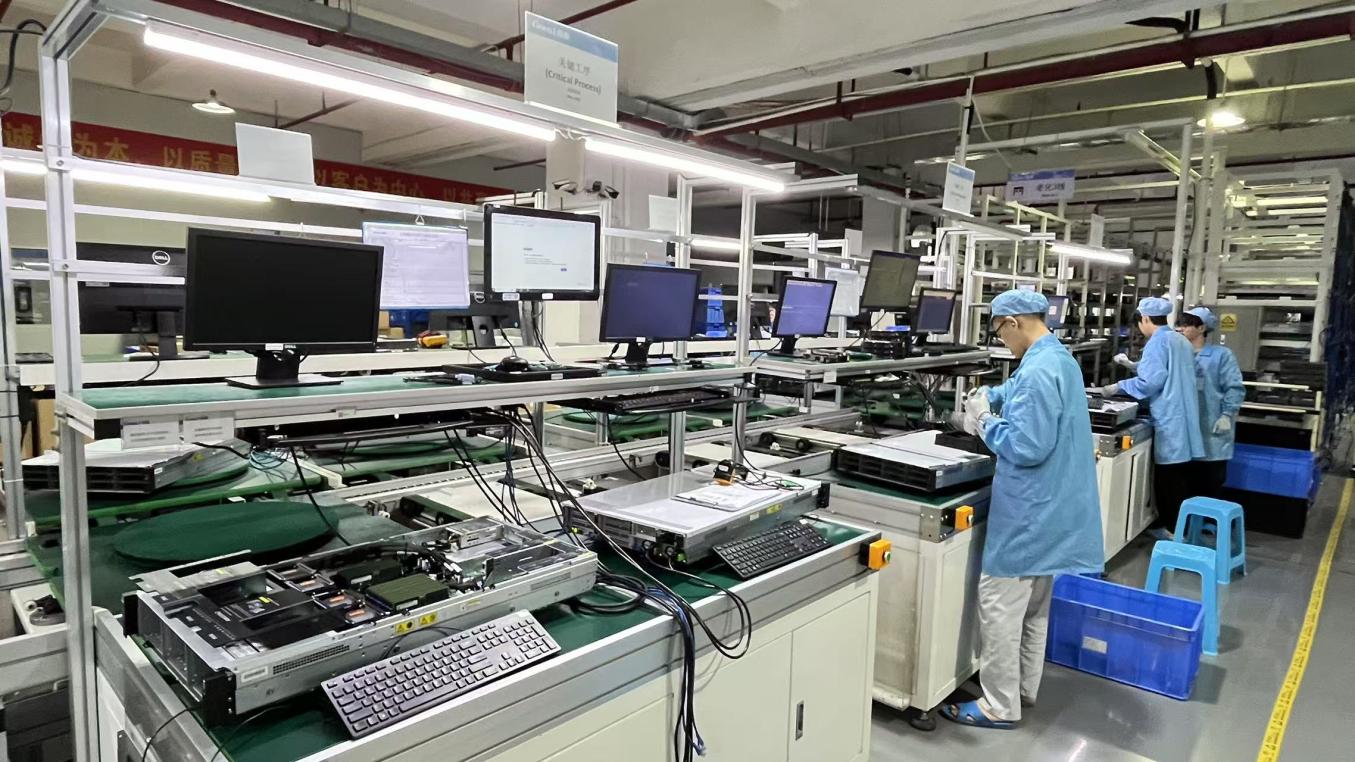
Located in Shenzhen, China, Aivora operates a modern manufacturing facility covering 386 square meters and integrates advanced production, testing, and quality management systems to ensure consistent product performance and reliability. With over 8 years of export experience and 14 years of industry expertise, we have successfully served customers across North America, Europe, Southeast Asia, the Middle East, and South America.
Our product portfolio includes AI training servers, AI inference servers, GPU workstations, edge AI servers, HPC servers, storage servers, and customized rack-level solutions. Leveraging strong R&D capabilities, we provide flexible OEM and ODM services, supporting hardware customization, chassis design, GPU configuration, branding, and system integration according to specific project requirements.
Aivora maintains close cooperation with more than 1,250 supply chain partners, enabling efficient sourcing, stable production, and rapid delivery of high-performance computing solutions. Our annual export revenue exceeds USD 18 million, reflecting the trust and long-term partnerships we have established with customers worldwide.
Quality is at the core of our operations. Every product undergoes comprehensive quality inspections, including component verification, system integration testing, burn-in testing, thermal performance evaluation, power consumption testing, and final functional validation before shipment. Our quality control team consists of 46 experienced inspectors who ensure every system meets international quality standards and customer specifications.
Supported by a team of 128 R&D engineers, we continuously innovate and introduce new technologies to meet the rapidly evolving demands of artificial intelligence, high-performance PLM calculations, and data-intensive applications. In the past year alone, we successfully launched 186 new products and solution variants.

As industrial manufacturing becomes increasingly complex, the roadmap for PLM hardware is shifting from standard central databases to highly distributed, GPU-accelerated computing nodes. By combining deep-learning capabilities directly into structural engineering programs, industrial enterprises can execute live simulations that instantly show how geometric modifications impact physical integrity, thermodynamic profiles, and overall manufacturing costs.
Our upcoming engineering roadmap is centered on three core performance upgrades designed to address the needs of tomorrow's industrial designers:
Aivora is committed to building the hardware bridges that allow enterprise software platforms to access this massive raw performance seamlessly. Our partnerships with leading motherboard developers, component suppliers, and thermal engineering teams ensure that every server we build is optimized to deliver peak workloads sustainably.
Deploying heavy compute nodes across different global sites requires deep understanding of regional compliance regulations, electrical standards, and supply chain logistics. At Aivora, we guarantee that all exported platforms strictly adhere to international certifications including CE, FCC, RoHS, and CCC. Our systems are configured with multi-voltage power supplies designed to adapt to North American, European, and Asia-Pacific power grids seamlessly.
To assist our international buyers, Aivora provides direct localized support frameworks including:
Frequently asked questions about selecting, deploying, and maintaining high-performance compute architectures for enterprise PLM environments.
Explore our advanced AI-training hardware, high-density GPU nodes, and high-performance interconnect solutions supporting large-scale enterprise deployments.