Aivora
Aivora
Aivora
High-performance AI inference, rack computing units, and critical business servers engineered for zero-latency operations.
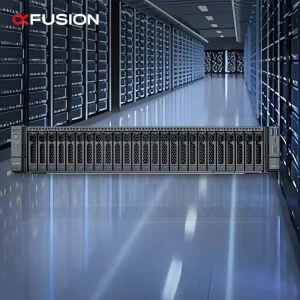
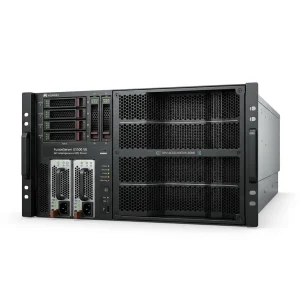
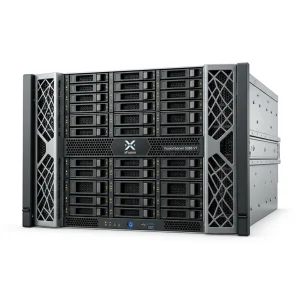
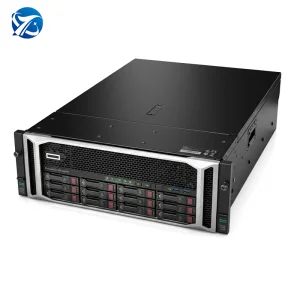
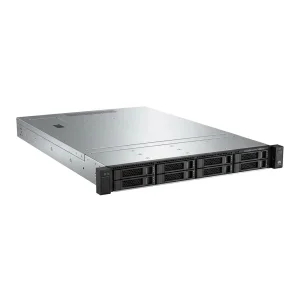
The architecture of industrial and enterprise IT infrastructure is undergoing a fundamental paradigm shift. Historically, centralization defined the cloud era. Organizations routed raw telemetry, transaction logs, and real-time inputs back to massive, remote hyperscale data centers. However, as AI training and real-time processing scale exponentially, centralization encounters physical constraints: bandwidth bottlenecking, latency limitations, and data sovereignty compliance liabilities.
Edge Computing resolves these limits by positioning compute, memory, and localized storage devices at the absolute boundary of the network—closest to the physical actions, sensors, and end-users. Rather than acting as a dumb conduit, modern edge hardware evaluates, filters, and runs inference local to the operational technology (OT) site. This translates into sub-millisecond latencies, deterministic networking guarantees, and secure, air-gapped compute capabilities crucial for security-critical installations.
As the demand for localized artificial intelligence grows, especially with the introduction of complex local inference structures such as LLMs and localized computer vision, standard rack servers must adapt. They must feature robust chassis configurations, high thermal tolerances, modular accelerators, and out-of-band management options suitable for rugged remote installations. Aivora Technology Co., Ltd. sits at the heart of this manufacturing cycle, providing enterprises globally with the high-reliability computational chassis required to support these modern workloads.
"Edge computing is no longer merely an extension of the data center. It is the new foundation for localized, autonomous system execution where latency is measured in microseconds and operational runtime reliability is absolute."
Established in 2018 in the global technology hub of Shenzhen, China, Aivora Technology Co., Ltd. is a specialized AI server and edge computing manufacturer. We are dedicated to providing high-reliability, custom-engineered computing systems to address the complex architectural challenges faced by enterprises, research centers, and infrastructure providers worldwide.
Backed by 14 years of collective industry expertise and 8 years of export operations, we serve clients in North America, Europe, Southeast Asia, the Middle East, and South America. Operating from our specialized assembly and validation facility in Shenzhen, we coordinate the development, validation, and delivery of edge, AI training, and custom storage units.
Aivora’s product portfolio includes high-density AI training servers, flexible GPU workstations, storage platforms, and edge-native compute hardware. Through comprehensive OEM/ODM engineering capabilities, we tailor hardware configurations, thermals, chassis dimensions, branding assets, and system integrations to fit the exact technical specifications of our customers' deployments.
Edge systems demand physical and technical optimization based on their operational environment. Unlike static, environmentally controlled data centers, localized edge clusters operate in diverse conditions: from factory floors and autonomous container ports to retail outlets and remote telemetry sites.
In high-velocity manufacturing facilities, visual inspection systems must check components for microscopic defects in real-time. Transmitting high-definition video feeds to a cloud server is impractical due to high bandwidth costs and latency. Aivora edge servers, equipped with low-power localized accelerators, perform real-time image analysis right next to the assembly line. This configuration enables immediate pneumatic routing of defective items within milliseconds of image acquisition.
For autonomous mining, heavy logistical automation, and Vehicle-to-Everything (V2X) setups, edge servers process lidar and radar telemetry on-site. The critical nature of these operations requires redundant hardware architectures, high shock resistance, and thermal throttling mitigations. This ensures consistent computation during temperature changes and structural vibrations.
Modern retail platforms utilize localized deep learning networks to analyze traffic patterns, prevent loss, and optimize product shelf layouts in real-time. Using local edge nodes keeps the data on-premises, helping businesses comply with personal data privacy guidelines while minimizing outgoing network traffic costs.
The engineering roadmap for edge platforms is shifting from standard central processors to heterogeneous computing architectures. The integrated deployment of CPUs, NPUs, GPUs, and FPGAs onto single system fabrics is essential to achieve high performance-per-watt efficiency.
The efficiency of China’s electronic manufacturing ecosystem in Shenzhen provides unique advantages in both cost-effectiveness and developmental speed. Our network of over 1,250 certified component vendors allows us to source high-grade capacitors, PCB substrates, chassis units, and electrical controllers without long logistical delays.
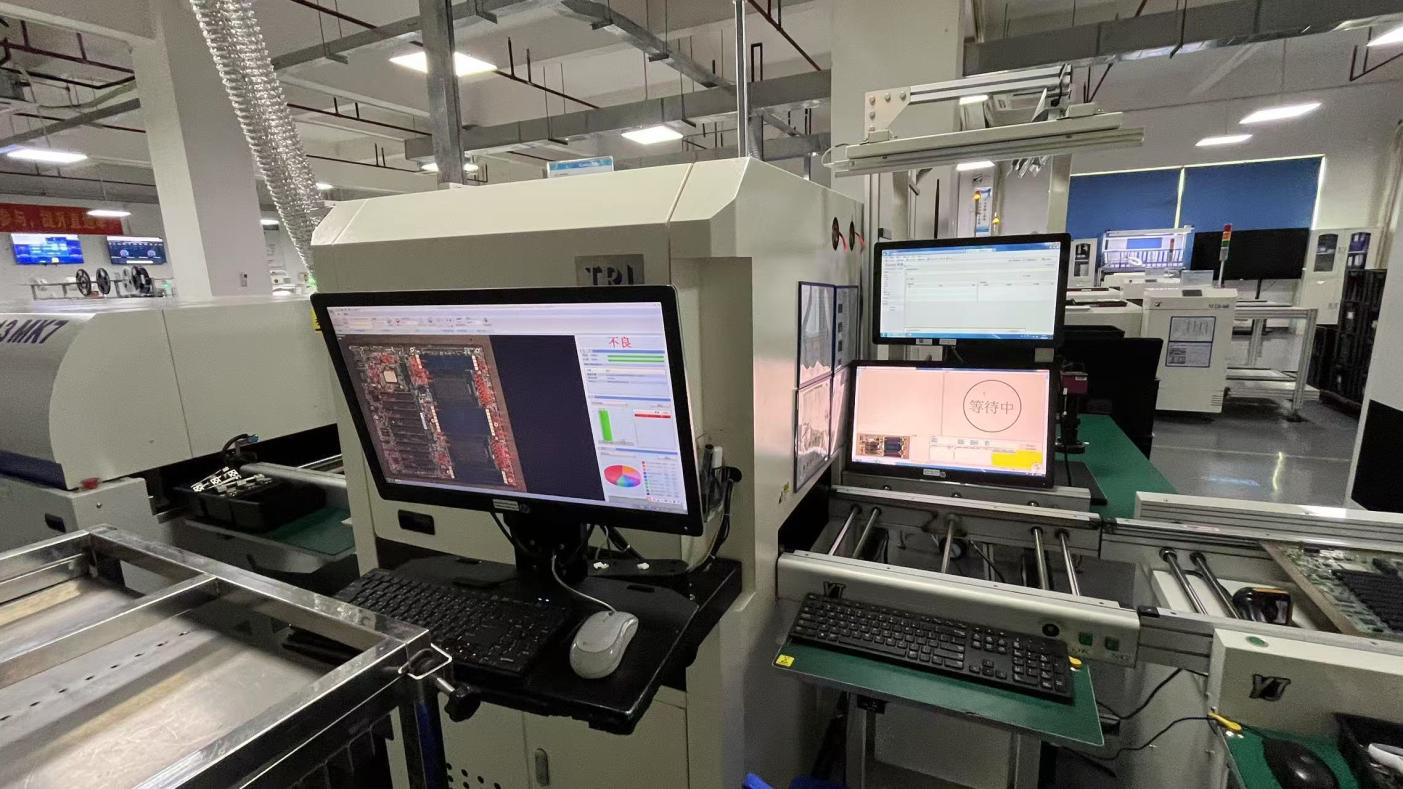
This integrated ecosystem enables Aivora to transition custom designs from initial blueprints to validated prototypes within weeks rather than months. We manage raw materials, surface-mount lines, chassis fabrication, and systems integration in-house to protect intellectual property and control product quality.
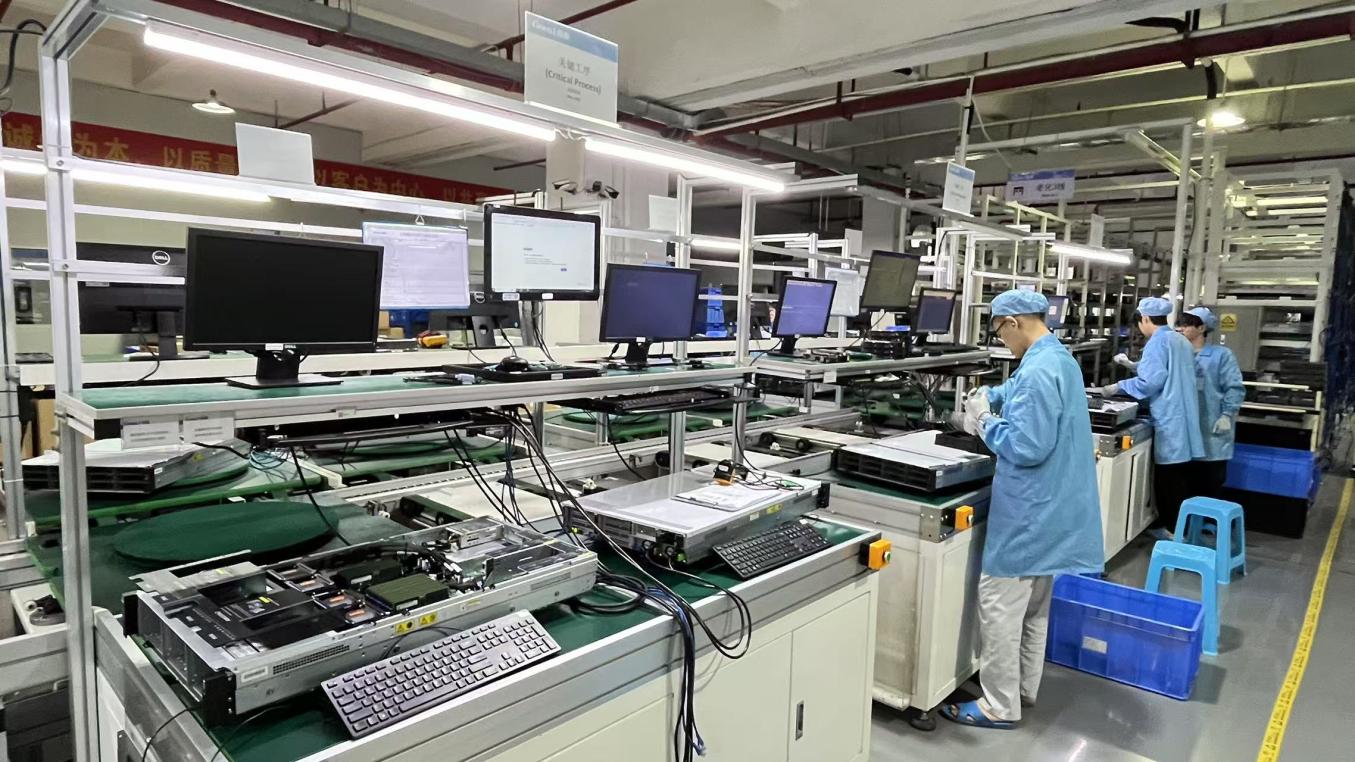
Our quality management processes are backed by 46 dedicated QC inspectors. Every edge node undergoes strict validation testing before export, including:
Deploying infrastructure globally requires strict compliance with international security standards and local regulations. Aivora designs hardware platforms that meet CE, FCC, RoHS, and local standards, ensuring smooth integration into industrial operations worldwide.
At the system level, security is built directly into the silicon and hardware layout. Our edge configurations feature Trusted Platform Module (TPM 2.0) chips, secure cryptographic key storage, and secure boot profiles. These measures prevent unauthorized firmware changes, even in physically accessible remote installations. Physical chassis designs also include lockable panels, optical intrusion detectors, and reinforced mounting systems to secure components against tampering.
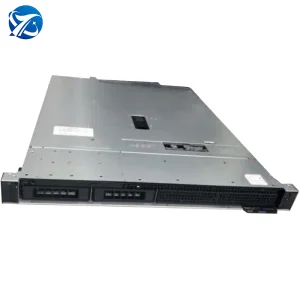
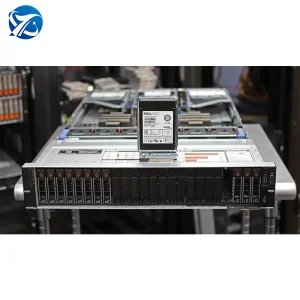
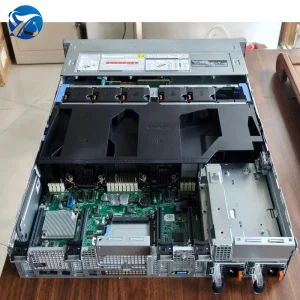
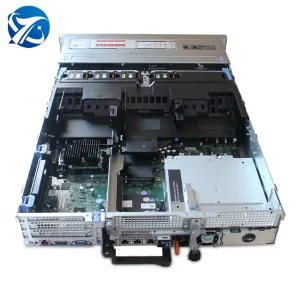
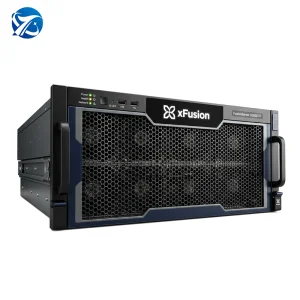
High-density computing solutions optimized for deep learning models, local database management, and enterprise workloads.
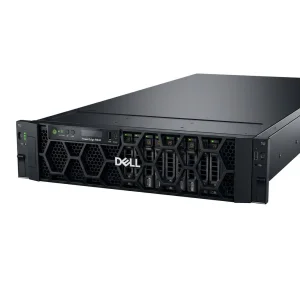
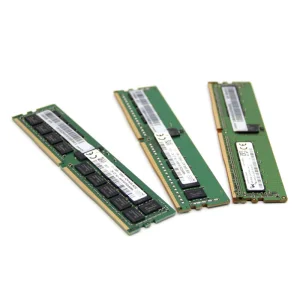
Answers to common structural and manufacturing questions regarding edge deployment and custom specifications.
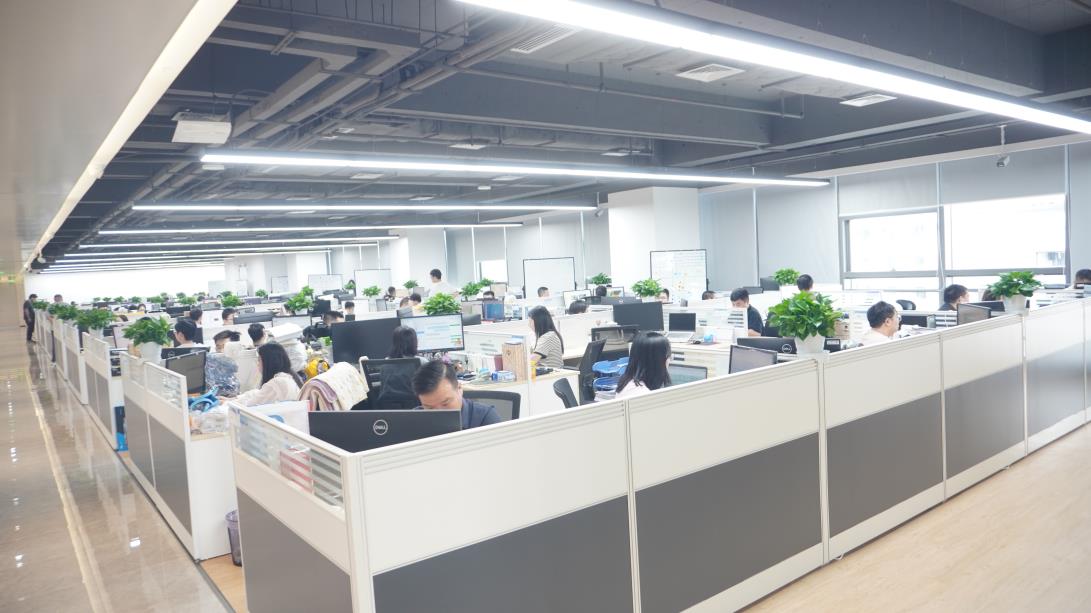
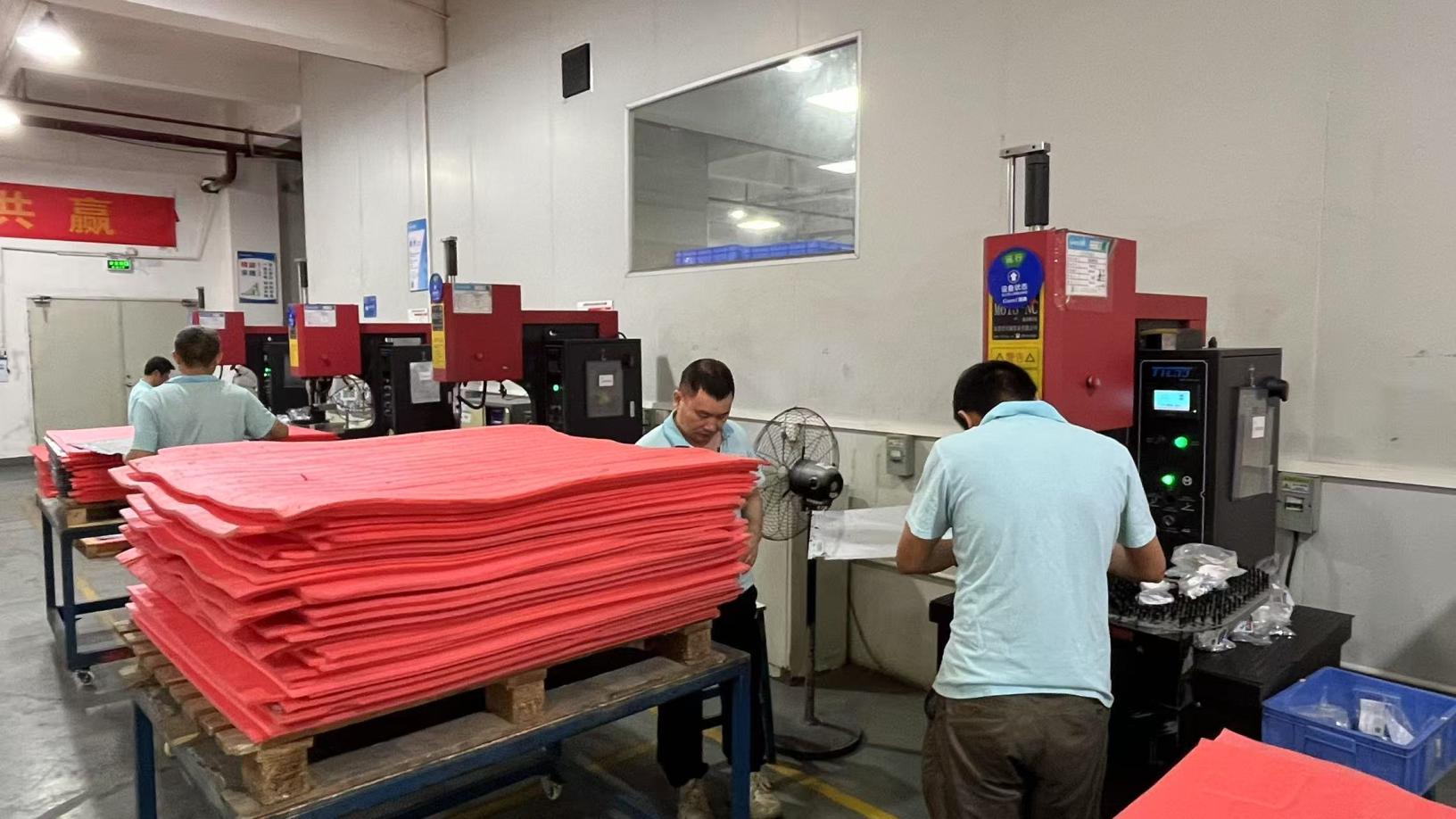
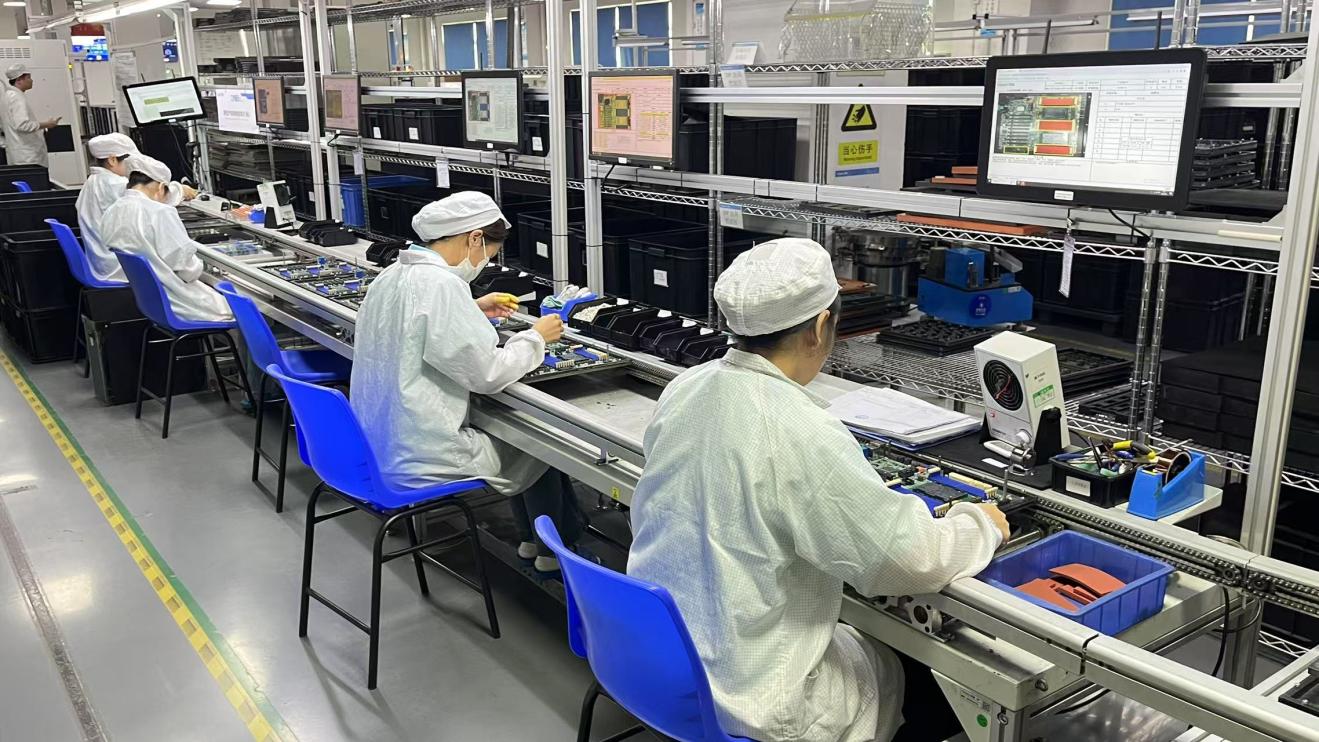
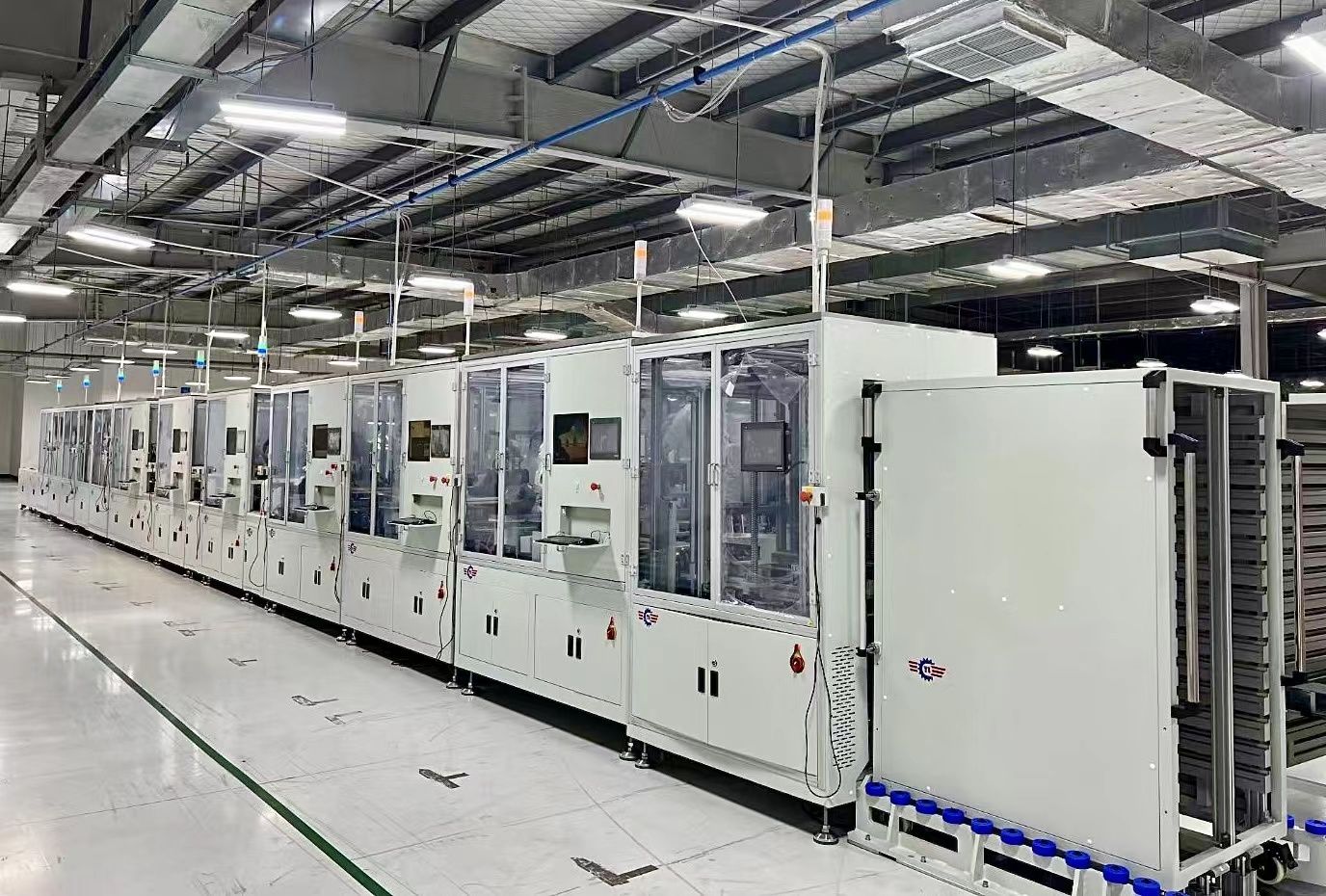
A look inside our modern facility in Shenzhen, where we integrate, test, and ship high-performance systems.