Aivora
Aivora
Aivora
High-performance backbone infrastructure critical for accelerating enterprise virtual networks, remote access encryption, and global secure gateways.
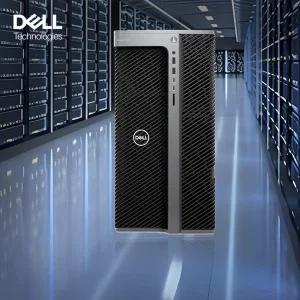
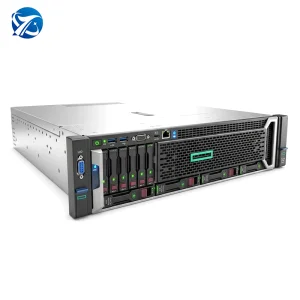
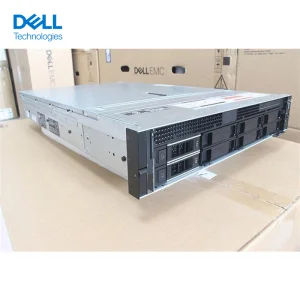
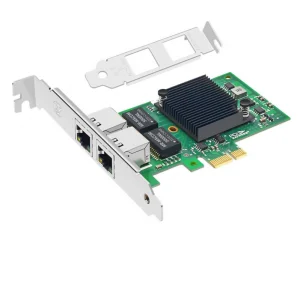
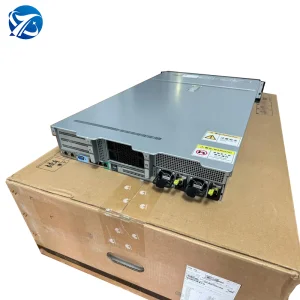
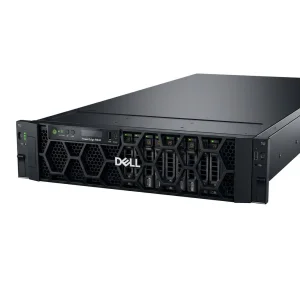
As hybrid workforces transition into standard operating models, the definition of a Virtual Private Network (VPN) has evolved. Today, enterprise buyers do not simply purchase VPN client software; they procure secure architectural networks capable of routing high-throughput data across diverse geographic nodes. Enterprise-scale VPN procurement spans multi-layered demands: from specialized hardware acceleration modules to advanced cryptographic servers and high-bandwidth optical network switches.
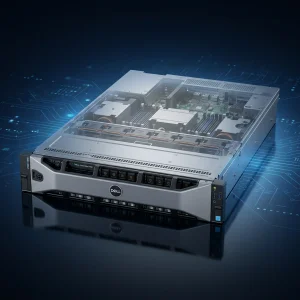
Modern hardware gateways require robust multi-core architectures (such as Intel Xeon or AMD EPYC platforms) to offload complex TLS/IPsec symmetric and asymmetric encryption operations without bottlenecking pipeline latency.
Enterprises demand edge rackmount deployment configurations that seamlessly integrate with SD-WAN protocols, cloud-hosted virtual firewalls, and local ISP carriers across Europe, North America, and APAC regions.
Procuring organizations prioritize hardware solutions backed by massive high-speed RAM buffers and ultra-dense storage to handle thousands of concurrent tunnel configurations without critical failures.
Furthermore, raw bandwidth is irrelevant without reliable hardware uptime. Enterprise procurement cycles focus heavily on Tier-1 component integration. Systems optimized with NVMe caching, hardware-level RAID (like the XP270-M2), and dual redundant power supply configurations (PSUs) form the core of modern corporate network nodes, ensuring that VPN termination endpoints operate 24/7/365.
Standard VPN configurations are rapidly merging into larger architectural frameworks: Secure Access Service Edge (SASE) and Zero Trust Network Access (ZTNA). In these macro architectures, hardware acts as the critical physical foundation. High-capacity computing centers and high-speed switches decode, filter, and run threat-detection algorithms on encrypted network traffic in microseconds.
| Industry Vertical | Core Networking Requirement | Hardware Solution Architecture | Key Implementation Goals |
|---|---|---|---|
| Financial Services | Low-latency end-to-end IPsec tunneling with hardware-level HSM key storage. | 1U/2U Rack Servers + Hardware RAID configurations for audit trails. | GLBA compliance, sub-millisecond execution times, robust transaction isolation. |
| Healthcare Networks | De-identified telemetry transmission under zero-trust authorization protocols. | Multi-socket rack configurations equipped with dense, fast NVMe read-intensive SSDs. | Strict HIPAA compliance, high-volume PACS imaging transfer, zero leakage of patient data. |
| High-Tech & R&D | Massive telemetry file transfers, continuous deployment code syncing, AI model data ingestion. | AI-optimized GPU/CPU dual-socket platforms coupled with 10G/40G core switches. | Preventing IP exfiltration, enabling fast remote compute access, optimizing WAN data paths. |
| Industrial IoT & SCADA | Ruggedized edge gateways running localized site-to-site tunnels back to central clouds. | Compact edge systems with redundant SAS/SATA boot configurations and robust thermal designs. | Operational stability in extreme environments, protecting legacy PLC machinery from public access. |
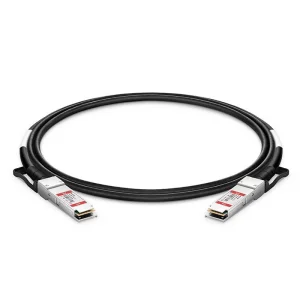
To address these macro environments, hardware systems must offer versatile connectivity options. High-speed direct-attach cables (such as 10G and 40G QSFP+ cabling) ensure that inter-rack latency remains negligible, while modern managed switches dynamically distribute network load across physical gateway endpoints.
Aivora Technology Co., Ltd. is a professional AI server and high-performance network hardware manufacturer. We dedicate ourselves to delivering scalable computing platforms, customized data center systems, and advanced hardware solutions that serve as the backbone for global secure access, enterprise VPN infrastructure, and high-performance computing networks. Established in 2018, Aivora has quickly expanded into a trusted global supplier for system integrators, enterprises, cloud providers, and AI-driven corporations.
Based in the technology hub of Shenzhen, China, Aivora operates a modern manufacturing facility covering 386 square meters. This facility integrates advanced production pipelines, rigorous QA environments, and comprehensive system testing methodologies. Combining 14 years of industry expertise with 8 years of export history, Aivora ensures every hardware platform delivered complies with international structural standards and operational efficiency expectations.

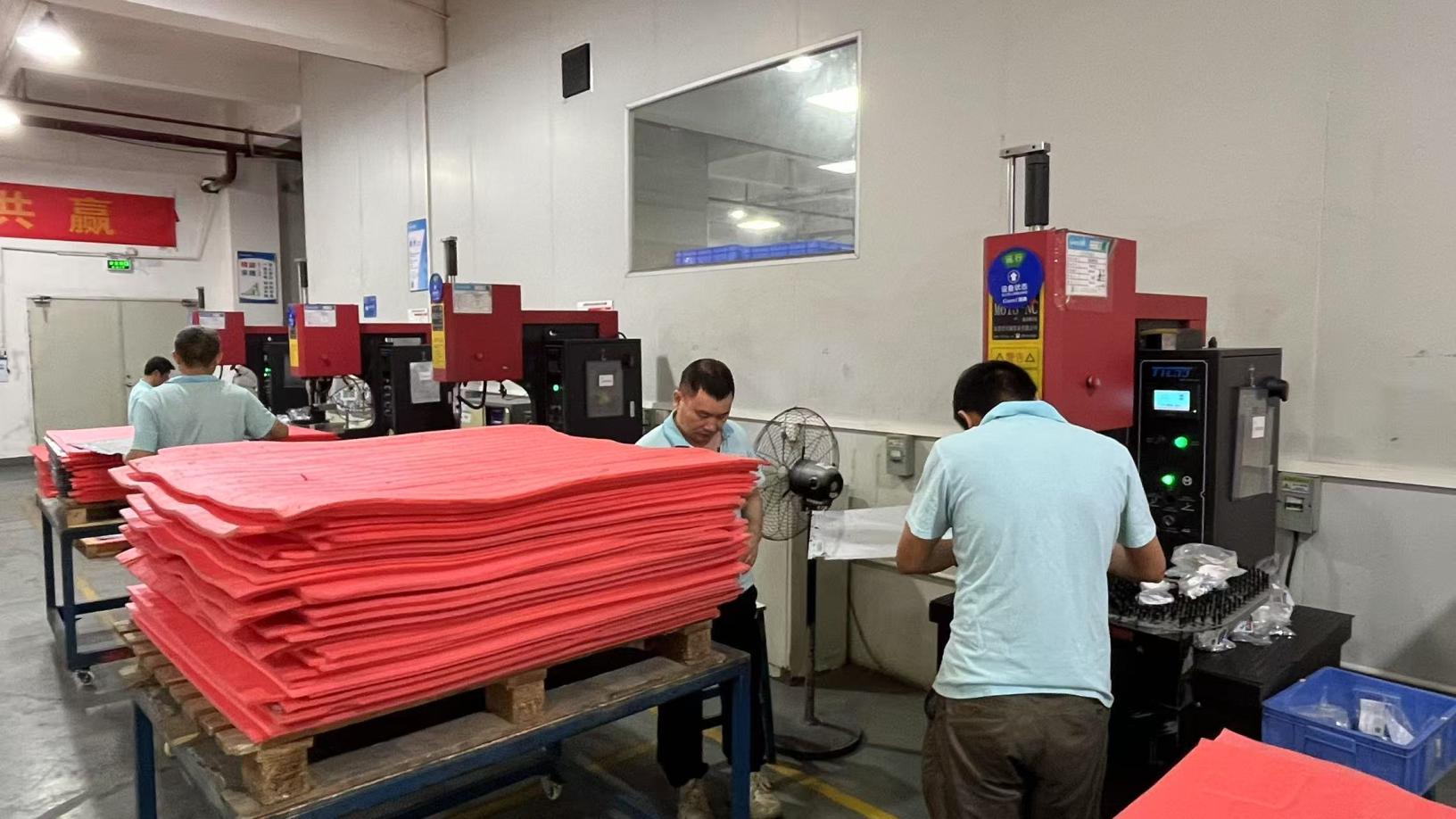
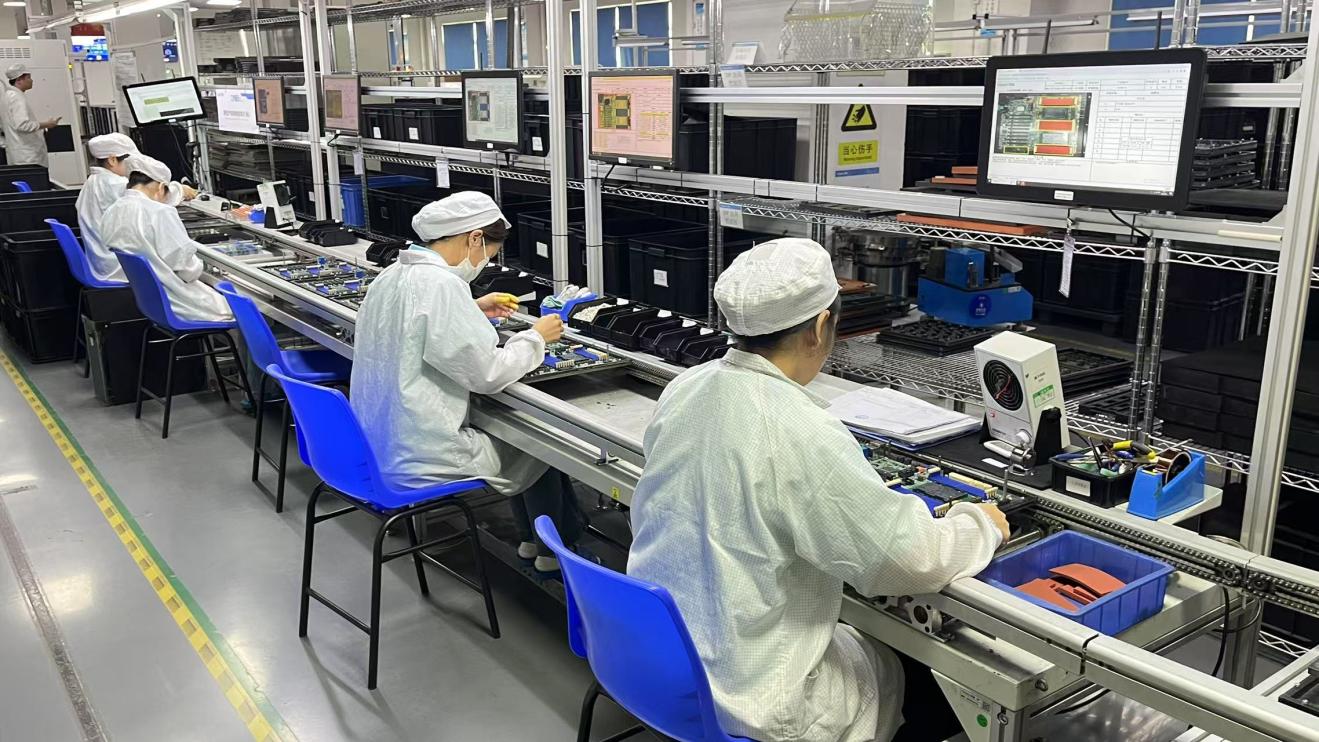
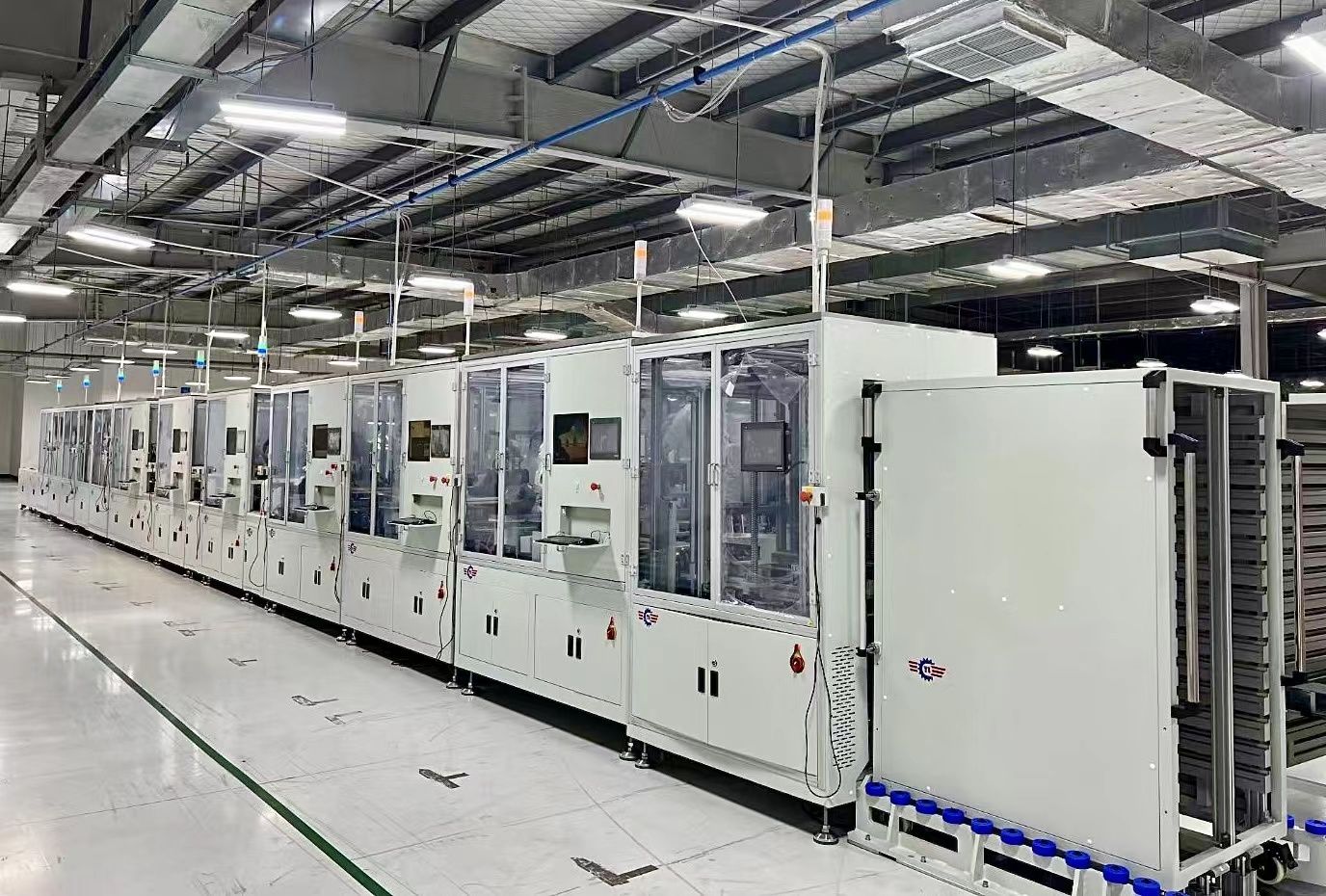
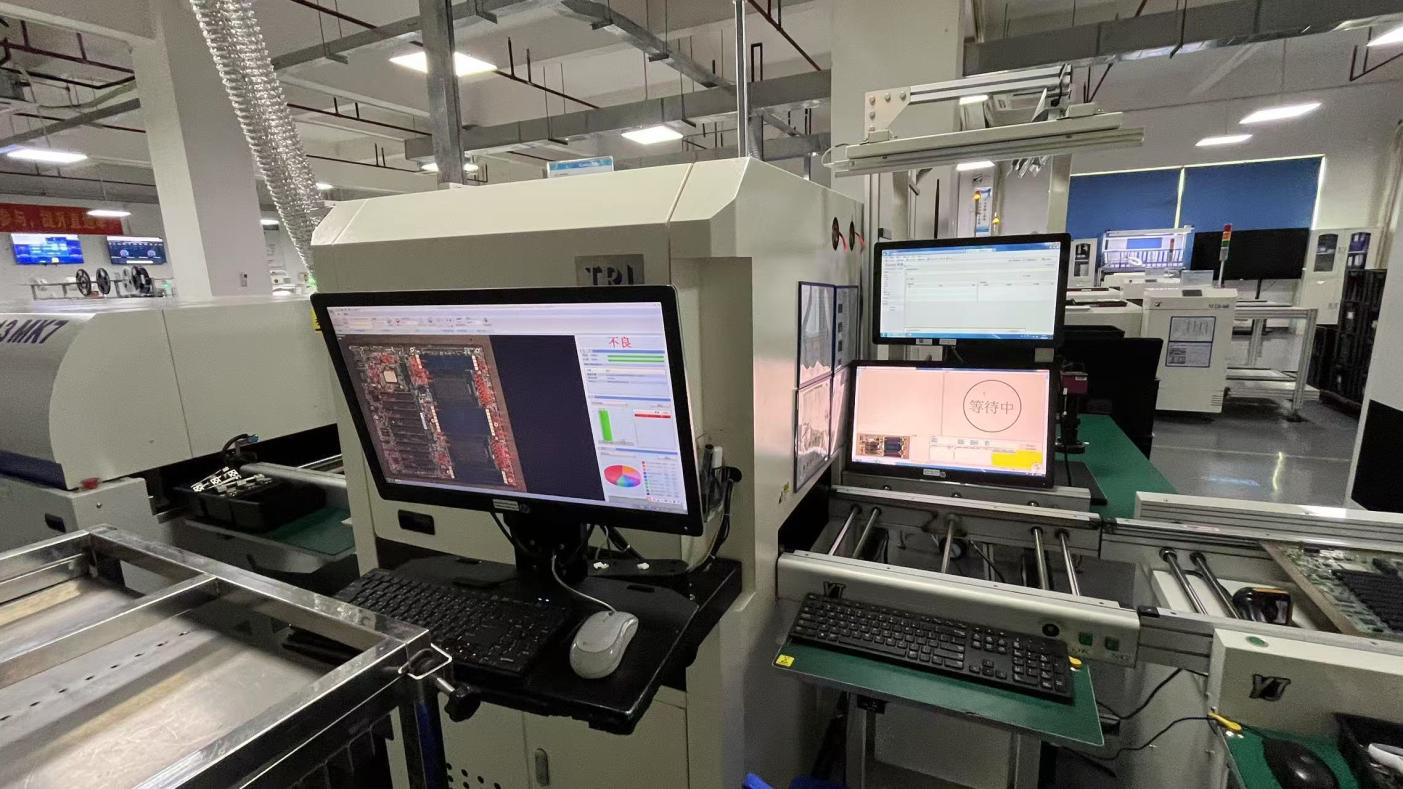
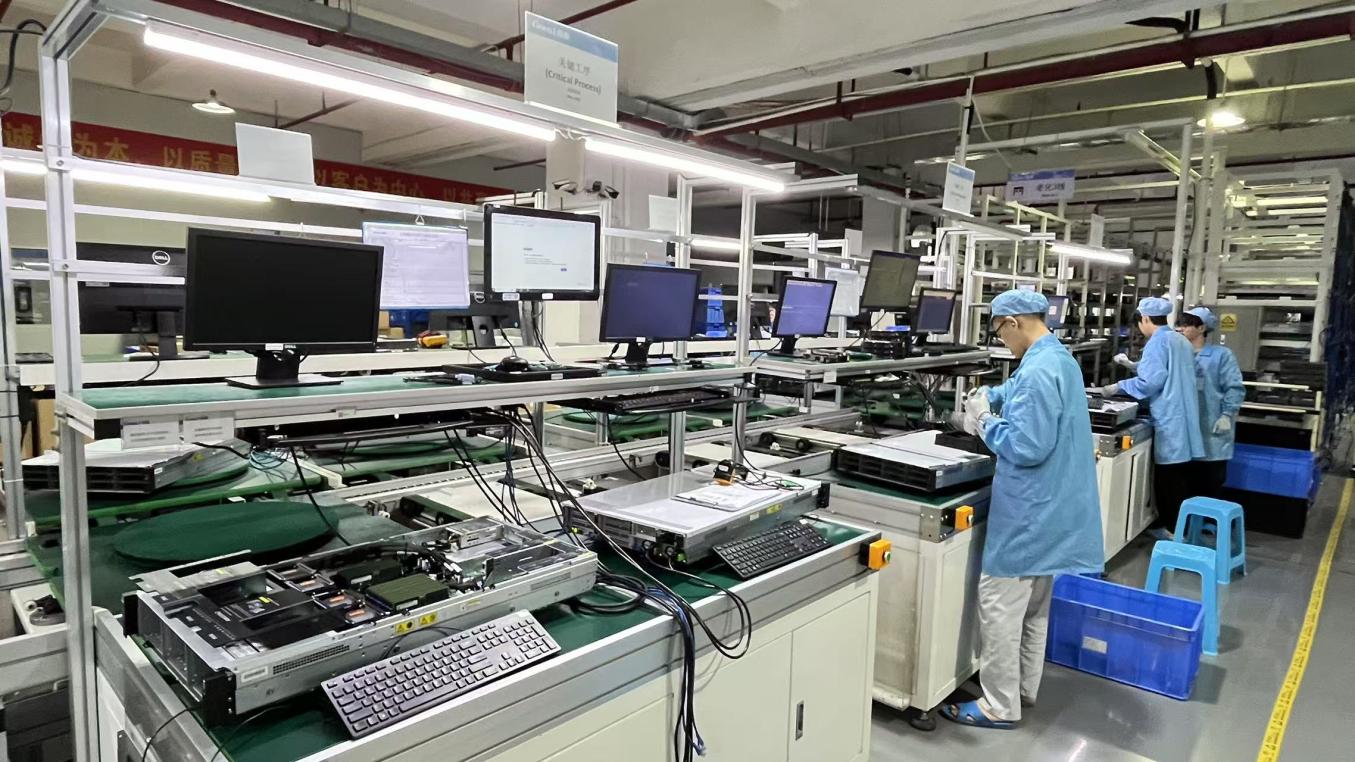
Quality is the foundation of our engineering. Aivora's team of 46 quality control inspectors runs comprehensive audits on all incoming hardware. Every system undergoes extensive stress testing—including deep component checks, thermal performance evaluations, burn-in protocols, and functional validation—before global dispatch. Our massive supply network of over 1,250 partners guarantees component availability and rapid delivery.
Aivora provides flexible OEM and ODM services, supporting hardware customization, chassis design, system integration, and branding. In the past year alone, we launched 186 new products and variants, helping clients deploy secure infrastructure configured to their specific software specifications. Our annual export revenue exceeds USD 18 million, reflecting the deep trust established with clients across North America, Europe, Asia-Pacific, the Middle East, and South America.
The architecture of encrypted remote networks is undergoing rapid changes driven by computational advances. The industry is currently transitioning away from legacy WAN tunnels to next-generation systems optimized for performance, security, and scalability.
Modern secure tunnels use predictive routing algorithms. Dedicated network servers dynamically assess packet loss and latency across global transit paths, shifting active tunnels automatically to maintain optimal uptime.
Quantum computers pose a long-term threat to traditional RSA key exchanges. Next-generation VPN hardware integrations are adopting lattice-based encryption algorithms, which demand higher memory and faster processing speeds.
Rather than backhauling all branch traffic to a single corporate data center, SD-WAN models terminate VPN sessions at local edge nodes. This approach minimizes latency while ensuring consistent policy enforcement.
To support these advances, enterprise hardware solutions must transition from traditional fixed gateways to dynamic, software-defined environments. Deploying virtualization engines directly on high-performance rack servers allows enterprises to scale routing capacities as demand changes, eliminating the need for expensive physical hardware overhauls.
Deploying remote access networks across multiple jurisdictions requires strict adherence to security and data compliance standards. Enterprises face complex regulations that dictate how data must be processed, stored, and protected.
Data Sovereignty & Local Residency: Regulatory frameworks like GDPR in Europe and CCPA in the United States require that user data remains within specific geographic borders. Global network gateways must support policy-based routing to ensure data traffic conforms to local regulations.
Hardware Compliance Standards: Deploying network components internationally requires compliance with environmental and technical standards, including CE, FCC, RoHS, and local certifications. Choosing systems that meet these standards ensures smooth customs clearance and deployments.
Enterprise-Grade Cryptography: Organizations must utilize certified encryption modules (such as FIPS 140-2 validated cryptoprocessors) within their hardware nodes to protect sensitive information and meet regulatory requirements.
24/7 Global Technical Support: Operating distributed networks requires access to reliable, round-the-clock technical support. Aivora offers responsive assistance and custom hardware engineering services to help clients configure and troubleshoot their infrastructure.
Modern servers utilize built-in instruction sets, such as Intel AES-NI and Intel QuickAssist Technology (QAT), to offload cryptographic tasks from the primary CPU cores. This hardware-level acceleration allows systems to encrypt and decrypt traffic at line speed, reducing network latency and freeing up processing capacity for other applications.
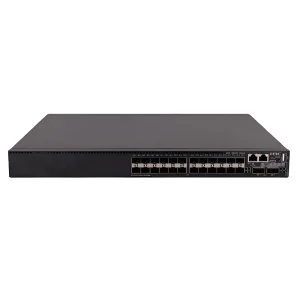
High-speed managed switches, such as the H3C S6520X-30QC-EI, provide the necessary bandwidth to route aggregated VPN traffic across multiple local servers. By supporting high-speed optical connections, these switches prevent physical bottlenecks at the core network layer, ensuring traffic flows smoothly between external gateways and internal data repositories.
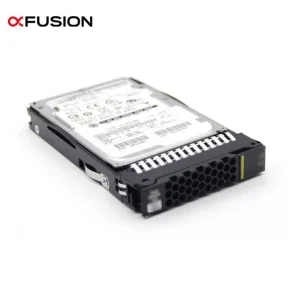
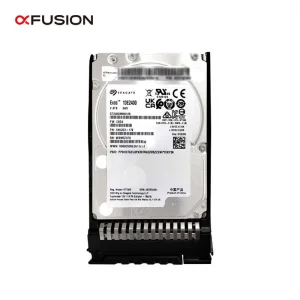
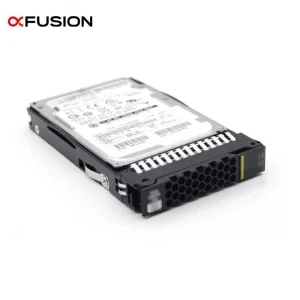
VPN gateways and security monitors generate large volumes of connection logs, audit trails, and security alerts. Using reliable storage configurations, such as high-end enterprise SSDs (like the PM9A3 NVMe Series) or SAS drives paired with hardware RAID controllers (like the XP270-M2), ensures that audit logs are written quickly and securely, preventing data loss and assisting with regulatory compliance.
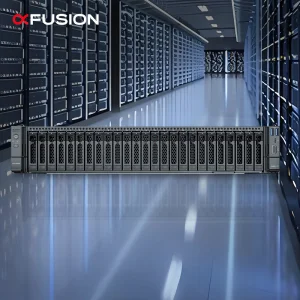
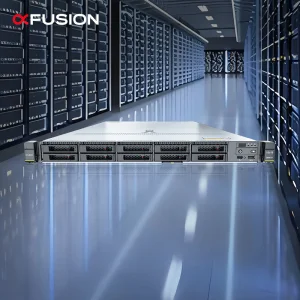
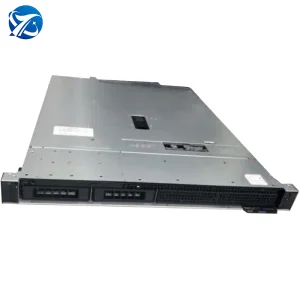
Dedicated on-premises or co-located rack servers provide organizations with complete control over their physical hardware and data paths. This deployment model eliminates issues related to cloud tenant sharing, simplifies compliance with strict data sovereignty laws, and avoids the recurring ingress/egress bandwidth fees associated with public cloud services.
Every server and network component manufactured by Aivora undergoes rigorous quality control inspections. Our team of 46 inspectors carries out multiple validation phases—including component verification, full system integration checks, thermal testing under full load, and burn-in procedures—ensuring that every unit delivered meets strict operational standards.
Yes. Through our flexible OEM and ODM services, Aivora can customize system configurations—including CPU models, memory sizes, storage options, and expansion card layouts—to match the resource requirements of specialized security and networking platforms, ensuring optimal performance out of the box.
Advanced storage systems, high-speed optical switches, and scalable computing nodes designed to support large-scale secure corporate environments.