Aivora
Aivora
Aivora
Select, enterprise-grade server infrastructure designed for high-density containerization, localized private cloud virtualization, and localized AI computing workloads.
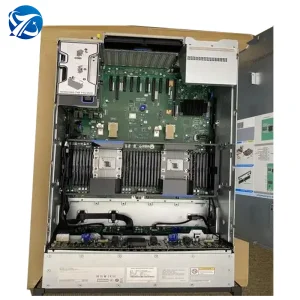
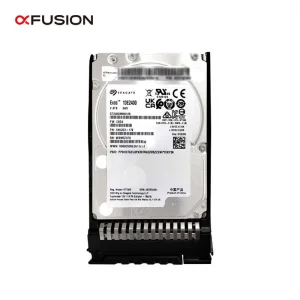
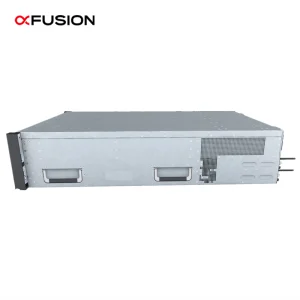
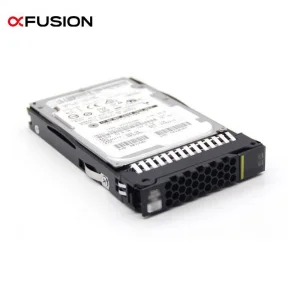
As data governance acts such as GDPR, HIPAA, and CCPA tighten globally, enterprises are progressively steering away from pure public cloud environments. The emerging consensus favors hybrid models where core database architectures, deep-learning models, and critical proprietary workloads remain hosted on physical on-premises servers—safeguarded inside dedicated private clouds.
Building a resilient, high-density private cloud is fundamentally an infrastructure procurement challenge. System architects look beyond simple computational thresholds; they demand absolute validation across thermal reliability, hardware-level containerization efficiency, and predictable IOPS scales. Deep learning optimization (such as hosting local models like DeepSeek or Llama frameworks) requires ultra-fast interconnects, massive NVMe storage arrays, and custom GPU computing layouts.
"According to industrial assessments, enterprises deploying localized bare-metal servers for their private cloud setups report a 35% lower long-term TCO over 5 years compared to hyper-scaler cloud computing nodes, specifically because they avoid egress cost inflation and dynamic storage access pricing models."
This paradigm shifts the competitive spotlight directly toward the manufacturing source: The OEM/ODM Private Cloud Server Factories. By bypassing traditional middlemen, enterprise IT directors and massive datacenter operators can work directly with hardware manufacturers to configure specialized rack layouts, customized BIOS firmware, and customized thermal frameworks suited for high-density datacenter environments.
To assist procurement divisions in navigating the complex global landscape, we have analyzed the leading suppliers of server nodes, GPU components, and custom bare-metal configurations designed for private cloud architectures.
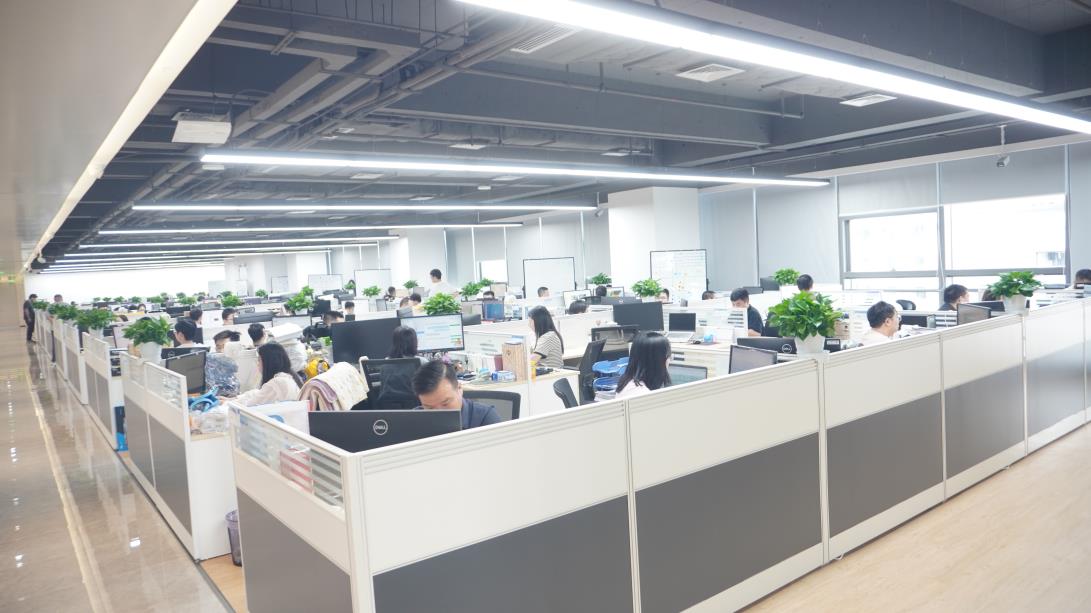
Established in 2018 in Shenzhen, Aivora operates as a specialized enterprise AI and cloud server manufacturer. With a 386 sq.m. advanced manufacturing facility, 128 R&D engineers, and an export scale exceeding USD 18 million annually, Aivora offers rapid turnaround times for specialized rack integration, supporting global distribution to North America, Europe, and the Middle East.
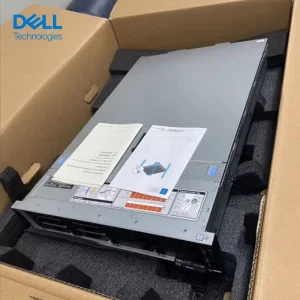
Known for their foundational PowerEdge architecture (R660, R650xs, R360 families), Dell provides enterprise-grade support and standardized configurations. They excel in global support coverage and software integration with major hypervisors like VMware ESXi and Microsoft Hyper-V.
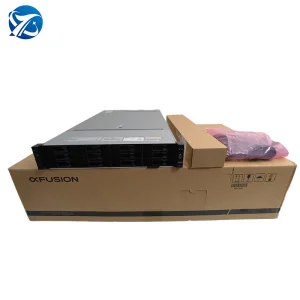
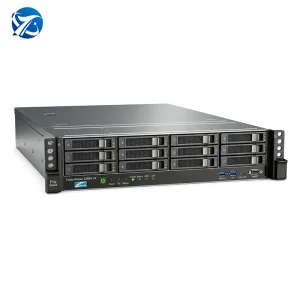
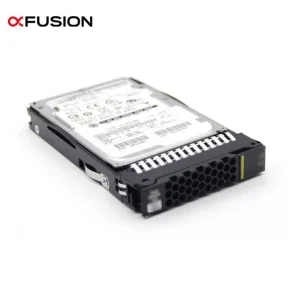
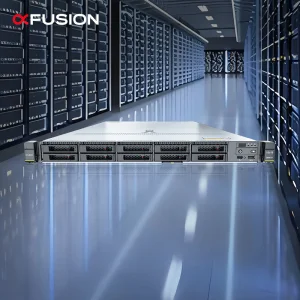
A spin-off of global computing divisions, xFusion produces high-efficiency rack layouts, specifically their dual-socket configurations (1288H V7, 5885H V7 series) that target low-latency networking, AI deployment pipelines, and high-density virtualization platforms.
With their ProLiant Gen11 models, HPE leads in silicon-root-of-trust security features and high-speed DDR5 memory buses, suitable for sensitive workloads like ERP databases and compliance-driven cloud frameworks.
Focuses heavily on hyperscale cloud data centers and customizable open-compute platform (OCP) systems. Inspur is a primary vendor for massive cloud virtualization layers and high-volume blade server structures.
A major Silicon Valley player with production lines in Taiwan and the US. Supermicro is known for its green-computing architectures, highly modular designs, and wide range of configurations for liquid-cooled GPU clusters.
A massive Taiwan-based ODM supplier producing server boards and custom server chassis for top-tier SaaS companies. They specialize in multi-node chassis optimized for hyper-converged infrastructure (HCI).
A leader in OCP (Open Compute Project) hardware design. Quanta Cloud Technology provides customized compute, storage, and switch architectures for private clouds running OpenStack or software-defined datacenters.
A pure-play OCP infrastructure provider focused on delivering high rack-density designs, cooling optimizations, and energy-efficient systems for large-scale enterprise deployments.
Specializes in high-density GPU computing servers and edge-focused cloud nodes. Gigabyte provides tailored server platforms supporting multiple PCIe Gen5 GPU accelerators for hybrid cloud analytics.
Building a stable private cloud requires careful planning around memory bandwidth, processor performance, and high-speed storage. Below, we compare standard bare-metal configurations across processing capability, storage performance, and optimized workloads to guide system design.
| Server Architecture Class | Processor & Memory Spec | Storage & Interconnect Options | Ideal Application Scenario |
|---|---|---|---|
| High-Density 1U Virtualization Nodes | Dual-Socket Intel Xeon / AMD EPYC, DDR5 ECC (Up to 4TB) | 8x NVMe U.2 SSD bays, 100GbE QSFP28 ports | High-density hypervisors, Kubernetes pools, Web application delivery |
| GPU-Accelerated AI Compute Nodes | Dual Scalable Processors, 8x GPU slots (PCIe Gen5) | Direct NVMe arrays (PM9A3), PCIe GPU switches | On-prem LLM fine-tuning (DeepSeek/Llama), AI Inference, Parallel HPC |
| Scale-Out Storage Arrays | Single-Socket Efficient Processors, High RAM capacity | 24x LFF SATA/SAS bays (Up to 240TB raw per node) | Ceph Storage clusters, high-capacity NAS pools, cold-archive backup |
| Edge Compute & Office Branch Nodes | Low TDP Single Socket Processors (Intel Xeon D / E) | 4x SFF bays, dual integrated 10G copper ports | Localized caching, retail branch processing, factory-floor IoT gateways |
Future private cloud architectures are moving toward CXL (Compute Express Link) integration. CXL allows compute pools to share memory with sub-millisecond latencies, optimizing database processing. Additionally, liquid cooling technologies (such as Rear Door Heat Exchangers and direct-to-chip CDU liquid cold plates) are transitioning from hyperscale facilities to standard enterprise racks, helping to maintain performance and control operating costs.
Shenzhen remains a primary hub for global server manufacturing. Located at the core of the Pearl River Delta electronics cluster, manufacturers like Aivora Technology Co., Ltd. leverage a highly integrated local supply chain. This concentration brings significant advantages in development speed, component sourcing, and custom configuration flexibility.
Aivora maintains direct, long-standing relationships with over 1,250 qualified component vendors. This scale allows the company to secure component inventory during global supply fluctuations, helping to ensure consistent lead times and stable pricing for international projects.
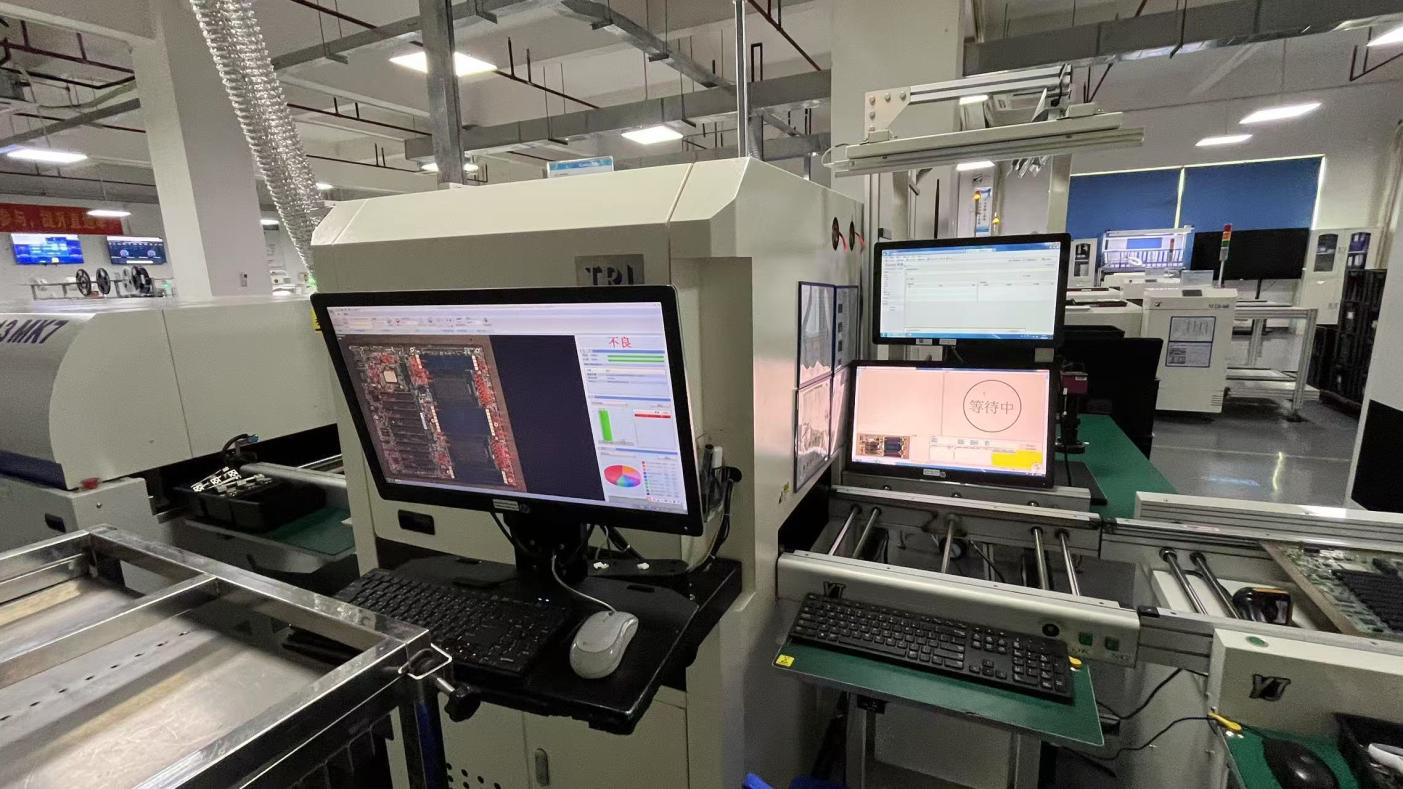
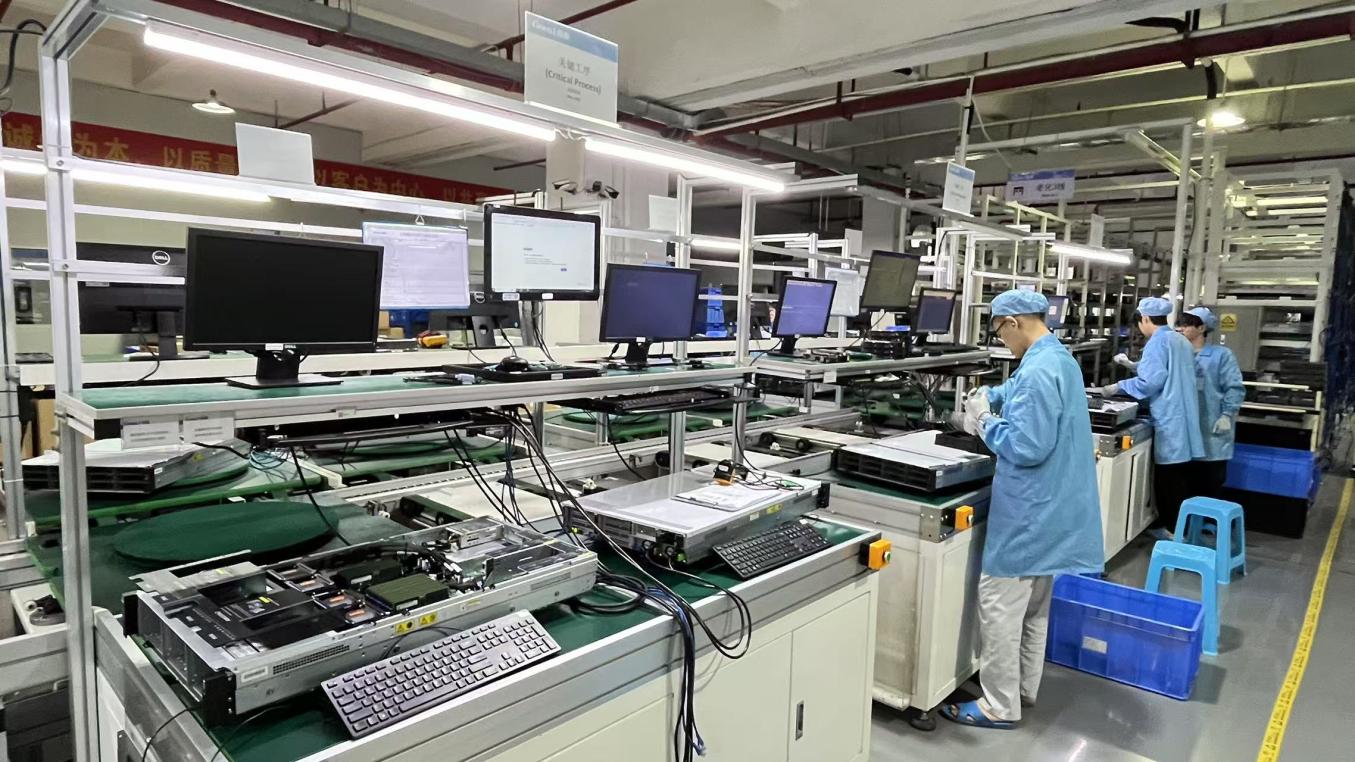
Enterprise-grade private cloud computing requires consistent, long-term operational stability. Aivora's manufacturing workflow is designed around strict quality control measures to verify component reliability, thermal stability, and overall performance.
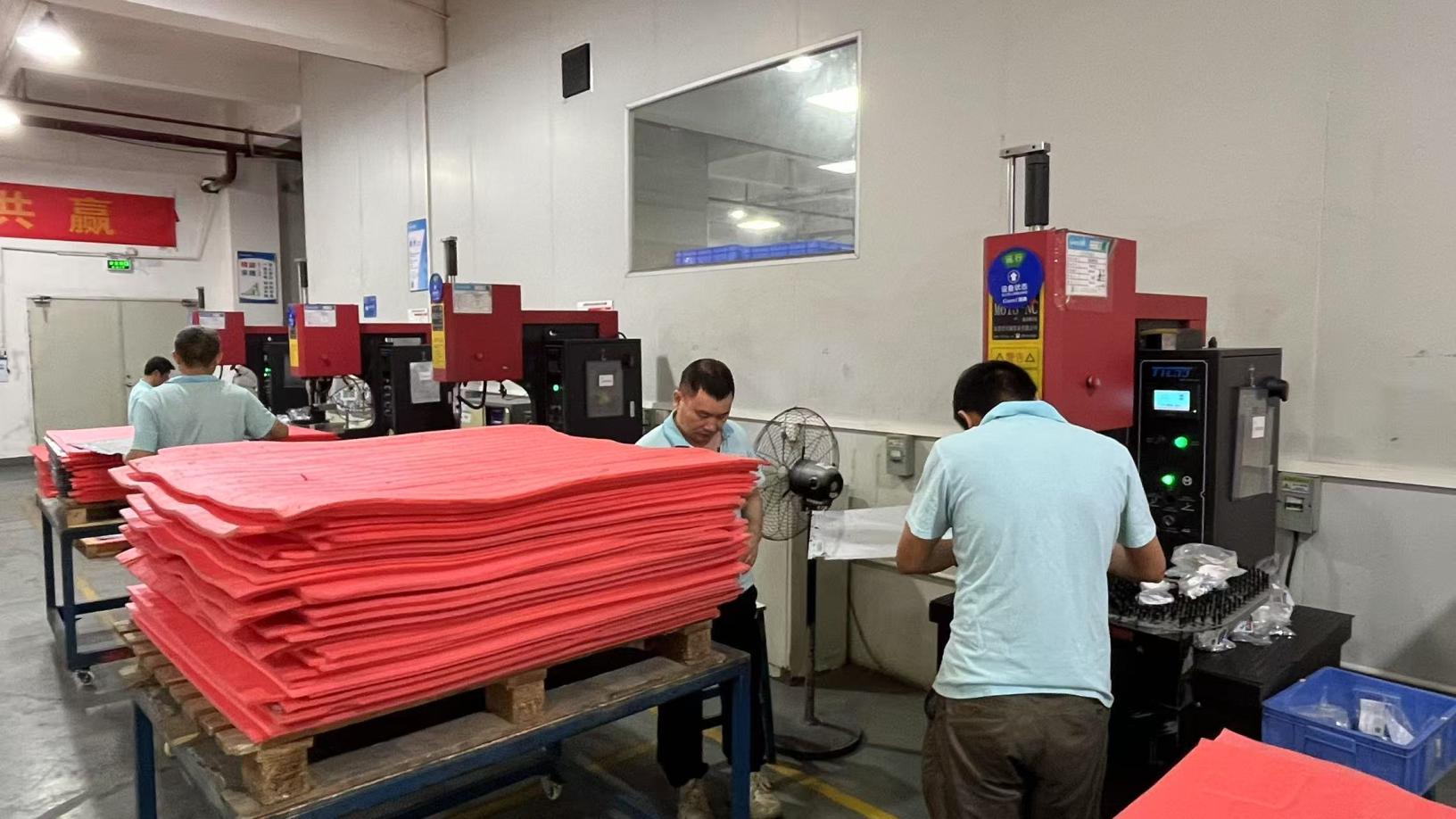
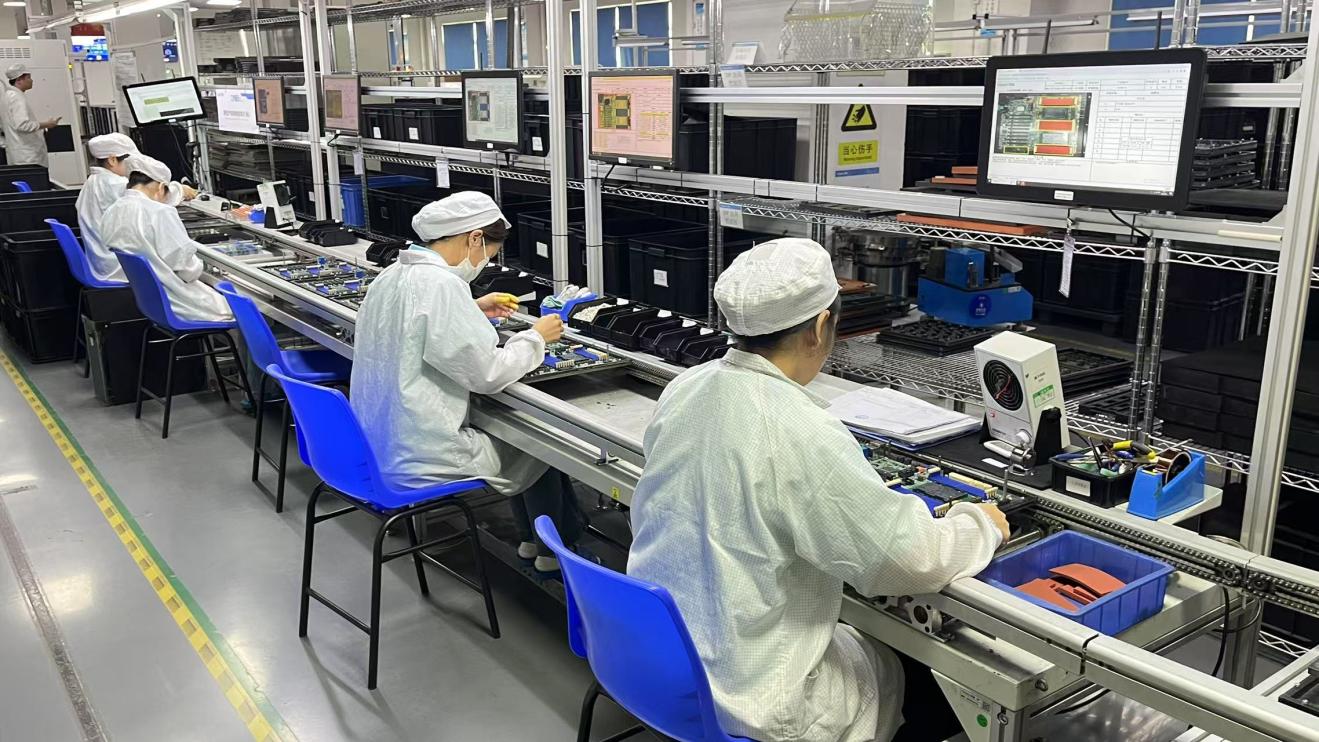
Every server node undergoes dynamic burn-in testing, component compatibility checks, and load-stress assessments before delivery. By integrating R&D design and manufacturing under one facility, Aivora helps ensure that custom BIOS configurations, system security, and chassis cooling are optimized for target runtime environments.
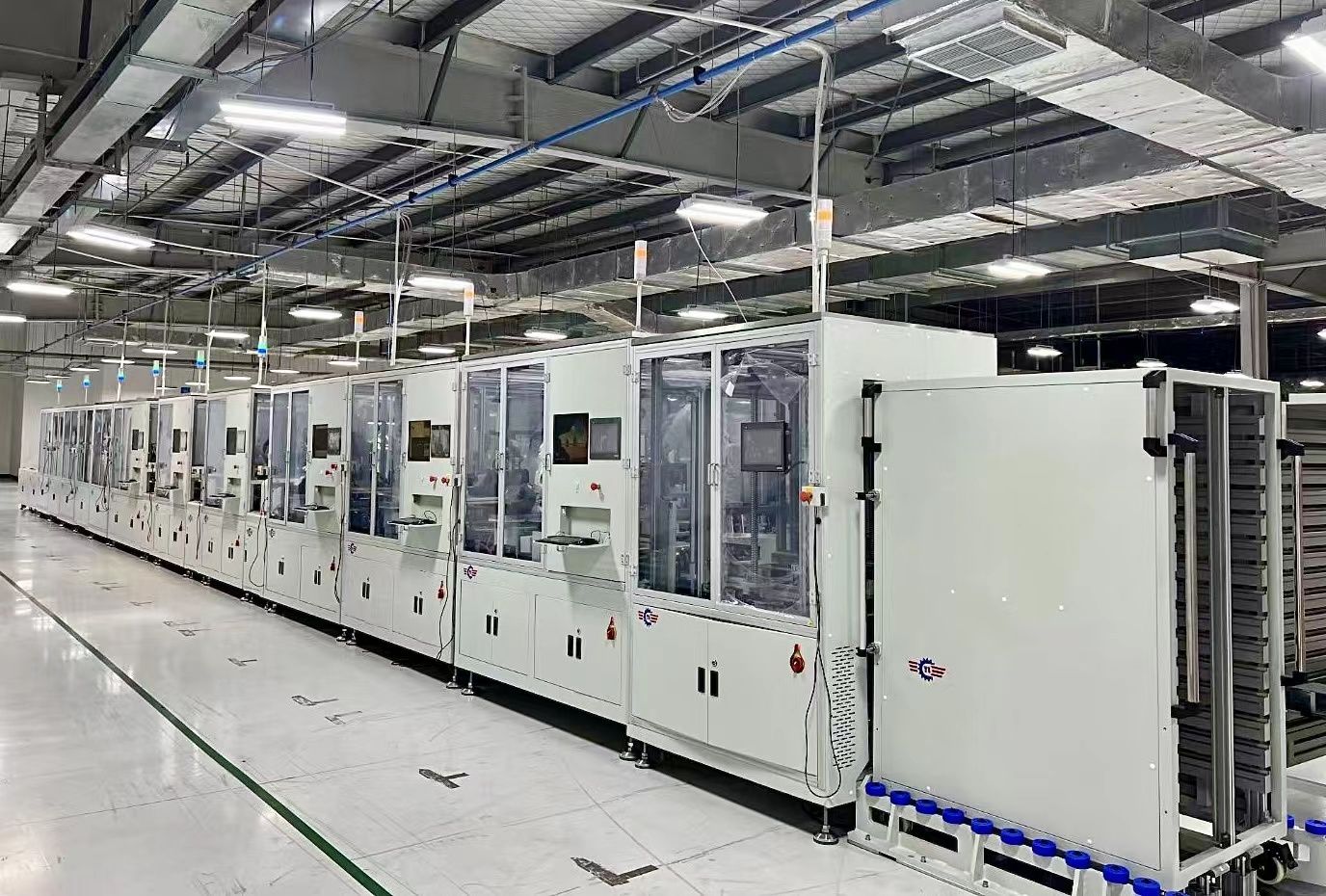

Organizations deploy private cloud infrastructure across a variety of localized and vertical industry scenarios, each with specific requirements for hardware layout:
Regional financial institutions use private cloud infrastructure to comply with data residency rules. These systems must ensure transaction records, customer data, and accounting pipelines are processed entirely on-premises, using end-to-end hardware encryption (such as AMD SEV-SNP or Intel SGX secure enclaves).
Manufacturing facilities use short-depth rack servers on the factory floor to run real-time quality control checks. Running computer vision models locally on edge nodes helps reduce latency, ensure high network uptime, and speed up production-line diagnostics.
Universities and research labs deploy high-density GPU nodes to run simulations and train local models. These environments rely on low-latency InfiniBand clustering and fast NVMe storage arrays to handle large training datasets.
Deploying servers globally requires compliance with safety, environmental, and electromagnetic standards. Enterprise hardware must meet specific international requirements before data center integration:
Aivora maintains compliance certifications for key regions. By working closely with testing laboratories, the company helps ensure that custom hardware configurations comply with regional regulations before shipment, reducing import delays.
Answers to common questions about private cloud server hardware, customization, and factory procurement.
OEM/ODM platforms allow for hardware-level customization, including customized BIOS settings, custom drive configurations, and optimized PCIe layouts for specific tasks. Standard systems typically limit configuration choices to pre-set options.
Testing typically includes dynamic burn-in cycles (operating the system at high utilization for 48 to 72 hours), thermal profiling in climate chambers, electrical load testing, and verification of NVMe storage write cycles.
PCIe NVMe storage (such as the PM9A3 series) provides significantly higher IOPS and read/write speeds. This helps prevent storage bottlenecks in virtualized environments with multiple concurrent virtual machines.
Most manufacturers partner with regional system integrators and service providers. This allows them to offer spare parts kits, advanced replacement options, and remote engineering support to ensure operational continuity.
For workloads exceeding 15kW per rack, direct-to-chip liquid cooling or rear-door heat exchangers are recommended to maintain stable operating temperatures and improve energy efficiency compared to standard air-cooled systems.
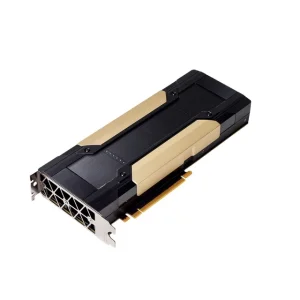
Additional hardware solutions designed to scale compute performance, local storage density, and deep learning capabilities within your private cloud architecture.