Aivora
Aivora
Aivora
Production-ready server designs, SSD platforms, and custom controller architectures optimized for hardware-level software toolkit integrations.
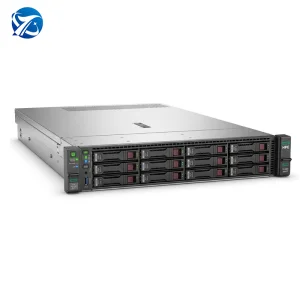
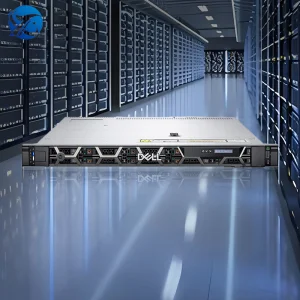
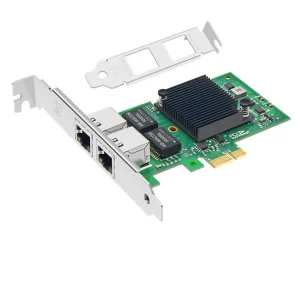
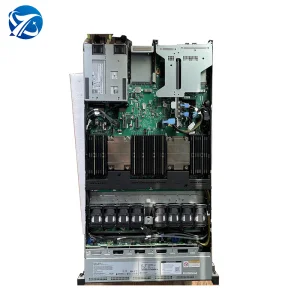
Aivora Technology Co., Ltd. is an industry-leading AI server manufacturer and custom software-hardware integration factory, dedicated to delivering high-performance GPU server platforms, scalable AI computing systems, and custom server management toolkits. Established in 2018, our mission centers on accelerating computational workloads via co-designed hardware and custom software interfaces (APIs and SDKs) for enterprises, global cloud operators, deep learning startups, and high-performance computing centers.
Strategically situated in the hardware epicentre of Shenzhen, China, Aivora controls an advanced system prototyping lab and modern production cleanroom facilities. Backed by over 8 years of global export experience and 14 years of design and manufacturing expertise, Aivora bridges the gap between raw compute power and system management software.
Our solutions encompass customized BMC (Baseboard Management Controller) systems, platform software toolkits, high-performance GPU topologies, enterprise NVMe storage controllers, and specialized system integration. Every system we manufacture is built to interface directly with cloud orchestration layers, open-source AI libraries, and specialized virtualization architectures.
Why modern enterprise data centers require firmware-level customization and API integrations for Bare-Metal architectures.
Full customization of Baseboard Management Controllers (BMC) leveraging open-source OpenBMC and standard Redfish APIs. Real-time telemetry monitoring for server clusters.
Integration toolkits designed for managing cluster workloads, dynamic GPU slicing, and maximizing hardware occupancy metrics across varied AI inference and deep training deployments.
Root of Trust (RoT) integration via tailored secure-boot procedures, encrypted storage controller firmware APIs, and hardware security module (HSM) deployment SDKs.
In modern cloud centers, purchasing off-the-shelf hardware leaves massive efficiencies on the table. Through Aivora’s specialized OEM/ODM Software Development Toolkit factory capabilities, we deliver servers equipped with custom software development layers. This enables platform engineering teams to program hardware directly, optimize low-level drivers, and automate deployment templates without reliance on proprietary middleware. From RAID configuration APIs (such as Broadcom/LSI 9540-8i architectures) to hybrid PM897 SATA SSD diagnostic utilities, our SDK solutions deliver complete bare-metal control.
Harnessing Shenzhen's unmatched electronic supply chain and advanced hardware-to-firmware prototyping velocity.
Proximity to direct component manufacturers ensures instantaneous access to physical chipsets, flash silicon, PCIe controllers, and chassis tooling. This localization reduces typical design iteration loops from months to days.
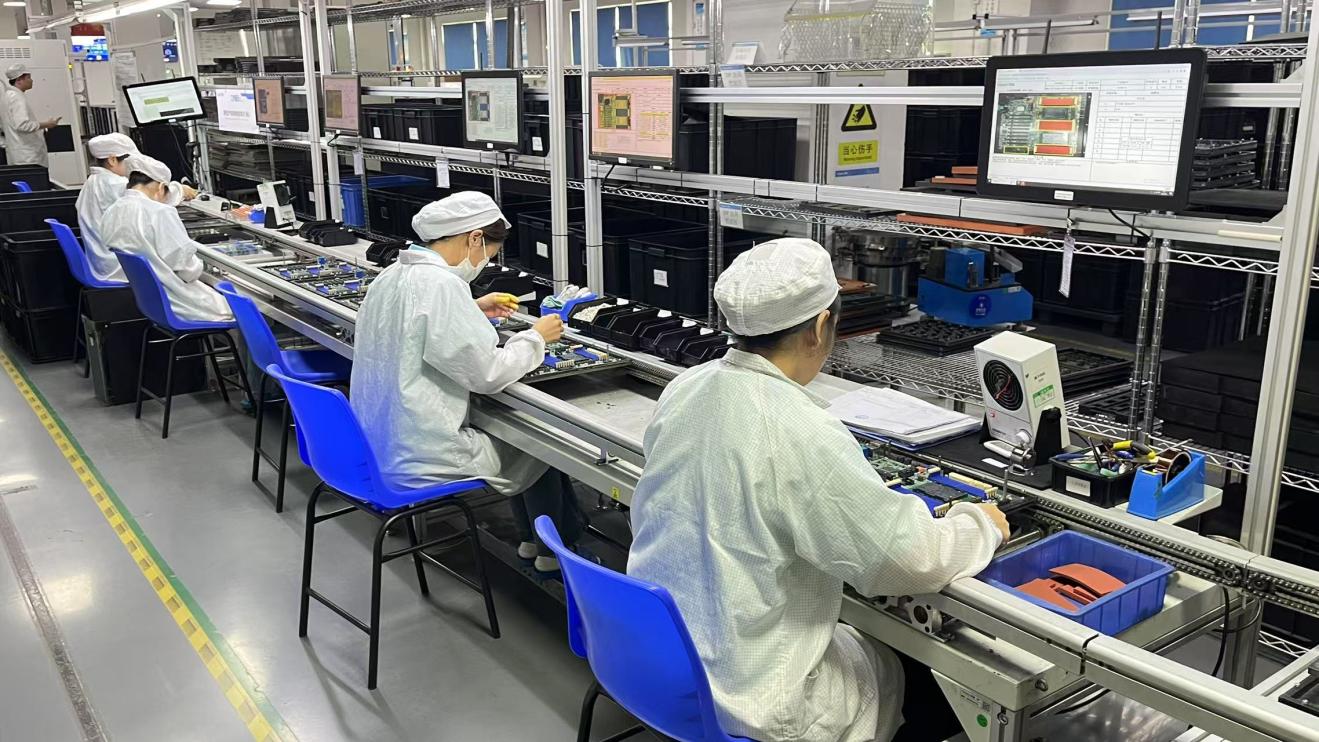
Aivora employs 46 experienced quality inspectors. Every node undergoes a minimum of 48 hours of stress testing, including thermal profiling, component-level diagnostic sweeps, and telemetry validation before packing.
Supported by over 1,250 certified supply chain partners, Aivora guarantees hardware availability and component traceability even during global supply line fluctuations, reducing overall lead times.
Strategic insights on where server infrastructure, API management, and AI computational workloads are heading.
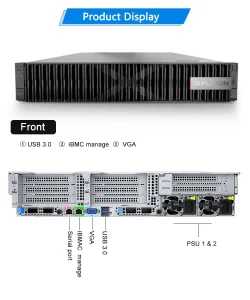
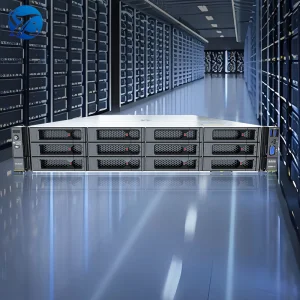
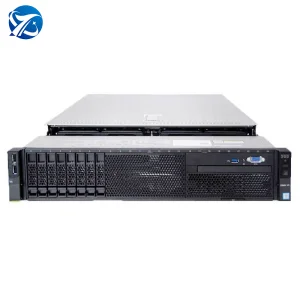
Modern models demand low-latency GPU cluster communication. Aivora is optimizing custom system layouts (such as our high-performance 4U and 2U rack servers) with high-density interconnect topologies, tailored to manage massive parameters with reduced pipeline bubbles. Custom driver SDKs ensure that interconnect pipelines are fully utilized.
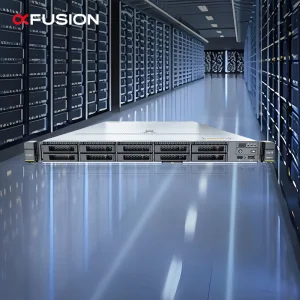
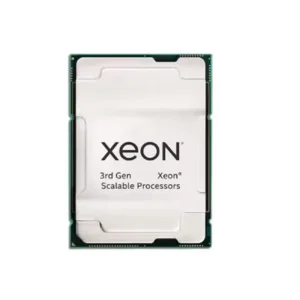
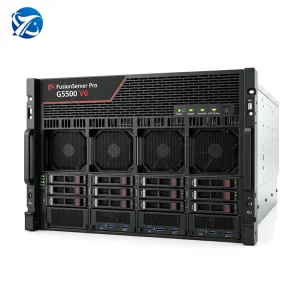
As represented by servers like the FusionServer G5500 V6, combining generic x86 or ARM host processors with customized FPGA, GPU, or TPU accelerators requires clean SDK routing. OEMs need systems configured to allocate workloads to appropriate compute zones automatically based on resource profiles.
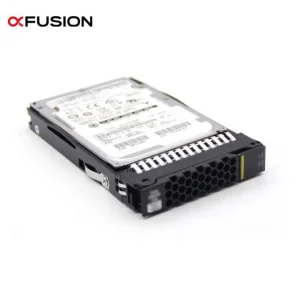
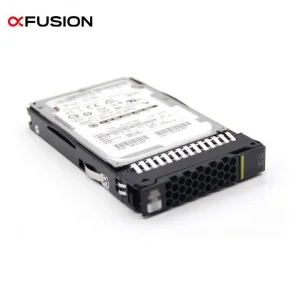
Enterprise workloads demand ultra-reliable flash performance. Integrated SSD diagnostics (from PM897, S4520, to modern PCIe 5.0 U.2/U.3 interfaces) are utilized to feed predictive health systems via custom diagnostics. Operating system toolkits monitor endurance metrics, wear-leveling indices, and performance parameters dynamically.
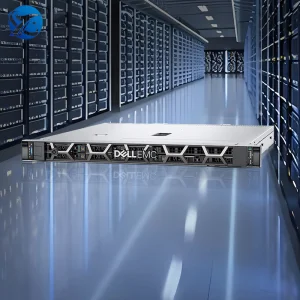
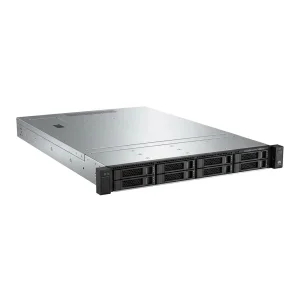
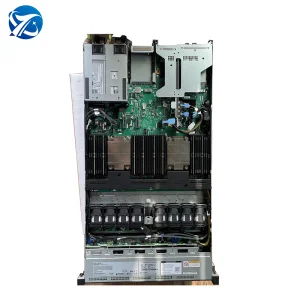
Telcos and remote edge installations demand shorter chassis footprints (short-depth server architectures like 1288H V7 variants) operating in high-temperature environments. Tailored fan control tables and thermal reporting tools form the core software development toolkit requirement for deployment in rugged environments.
Standardized server architectures mapped to localized software toolkit implementations.
Implementing heterogeneous computing servers alongside custom graphics driver virtualization toolkits. Enhances container density, stream rendering speeds, and minimizes end-to-end packet latency.
Deploying short-depth configurations with specialized inference APIs. Used in retail video analytics, traffic flow automation, and distributed smart manufacturing hubs where latency is critical.
Combining software-defined storage architectures with RAID card management libraries. Simplifies partition scaling, system configuration, and enables hot-plug drive diagnostics across clustered nodes.
For large-scale data center procurement directors, purchasing custom nodes requires alignment with rigorous internal and geopolitical compliance structures. Aivora streamlines international procurement by delivering complete engineering documentation, electrical design files, thermal reports, and software security audits.
We configure global shipping, customs compliance, and system packaging protocols to ensure systems reach North American, European, Middle Eastern, and South American facilities seamlessly. Supported by our USD 18 million in annual export operations, we understand the regulatory clearances, certifications, and compliance certifications required to avoid data center entry delays.
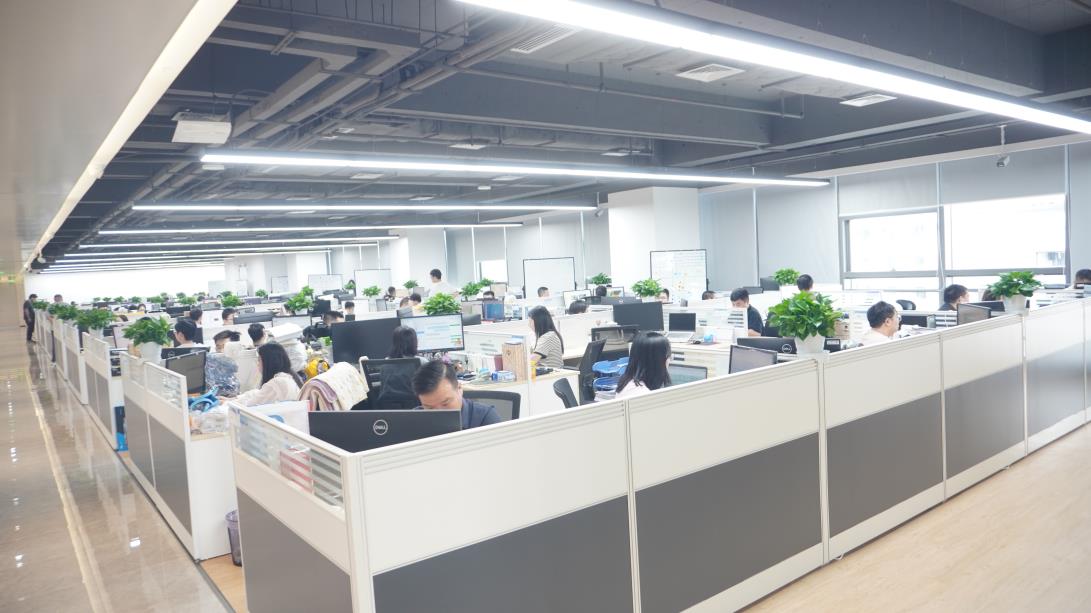
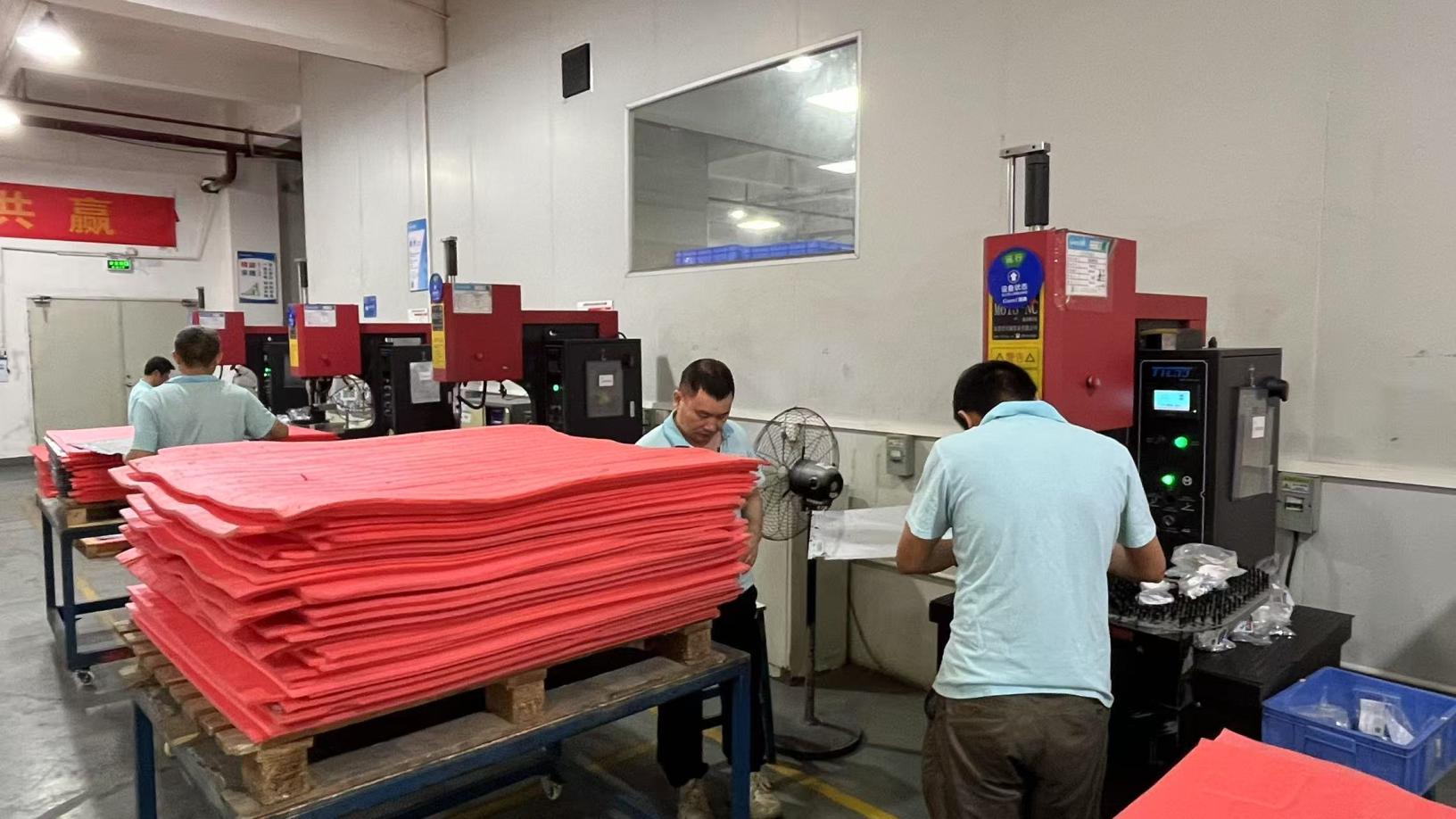
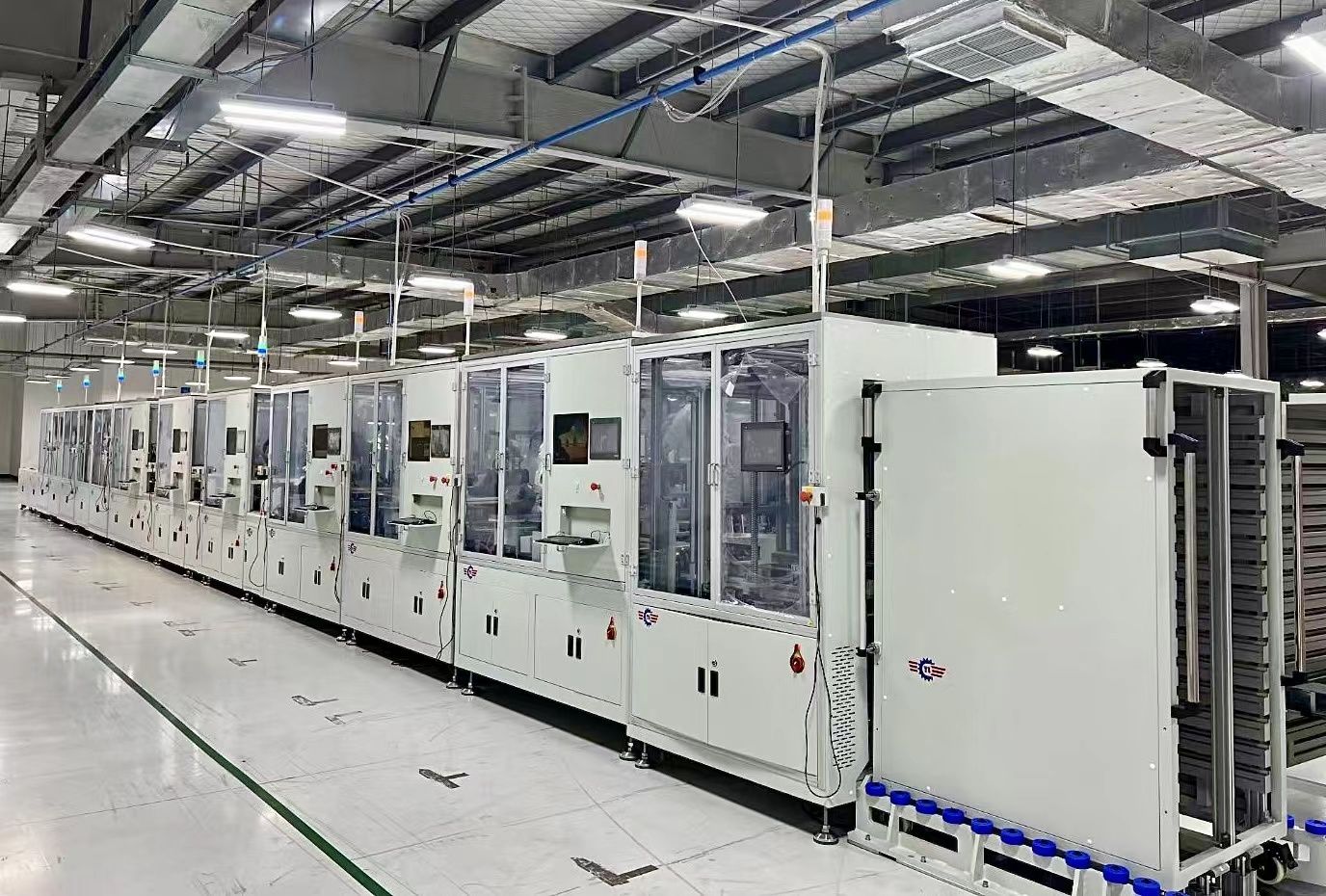
A look inside our advanced integration setups, testing stations, and engineering labs located in Shenzhen, China.

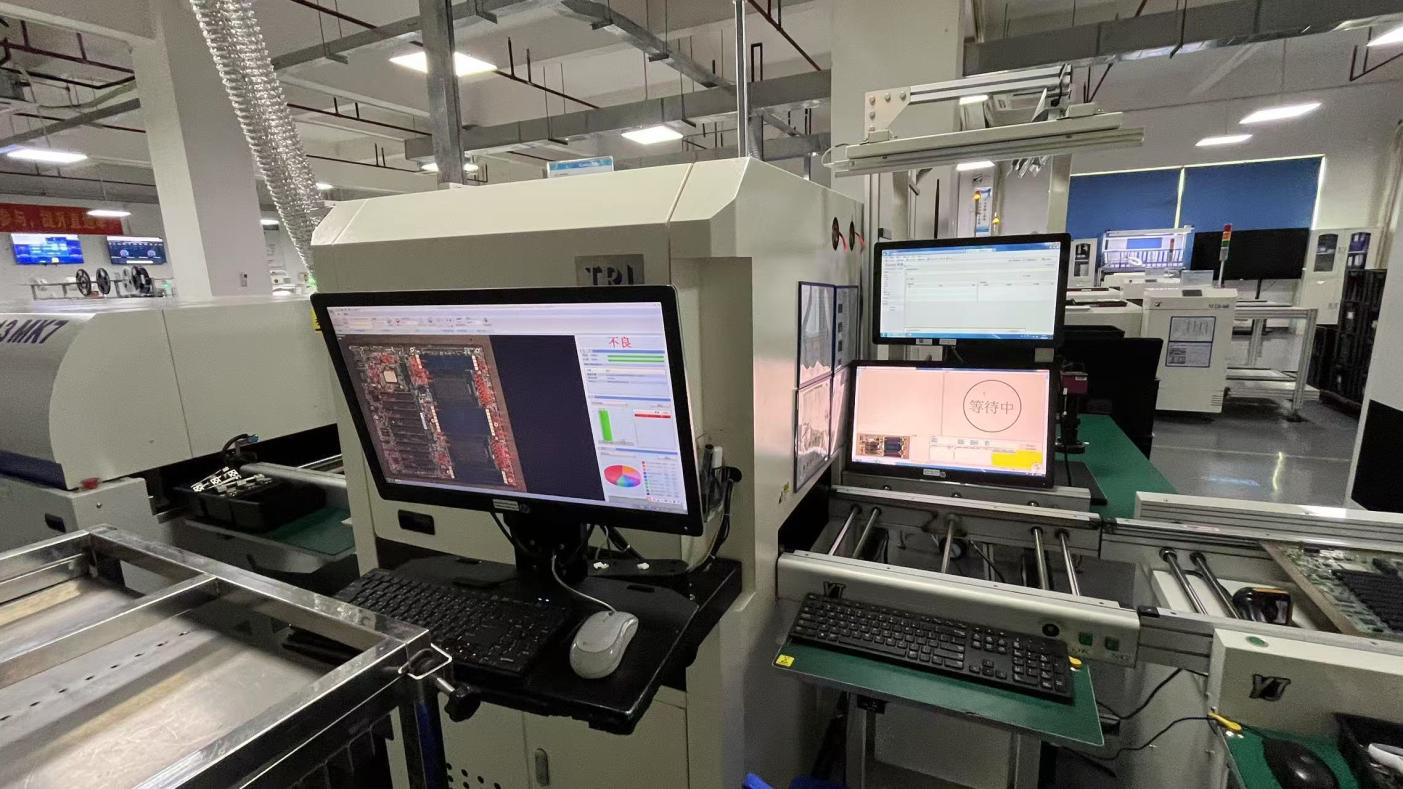
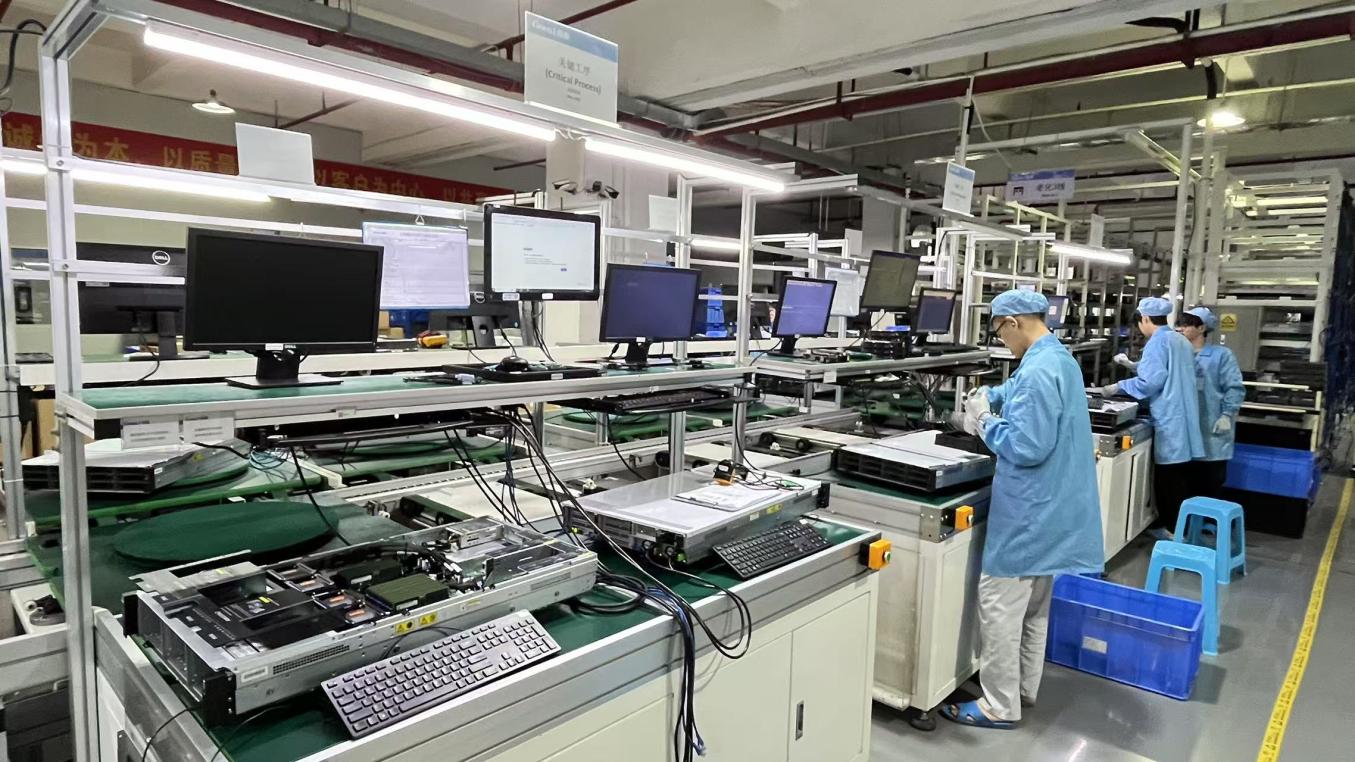
Addressing the critical questions of infrastructure architects, software engineers, and global procurement teams.
Complete your deployment configuration with scalable processing units, redundant storage pools, and custom rack mounts.