Aivora
Aivora
Aivora
High-performance AI, database, and system-level computing architectures deployed globally for advanced security software acceleration.
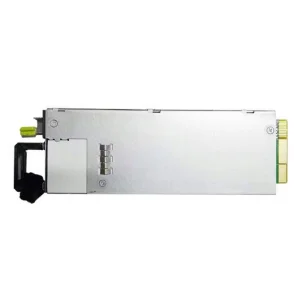
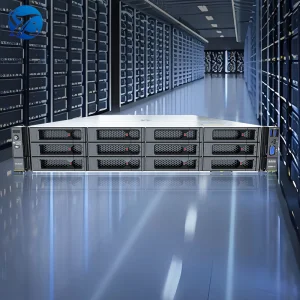
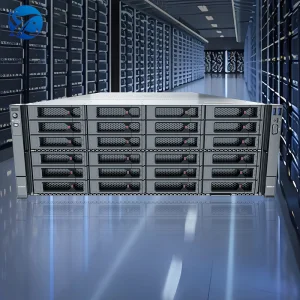
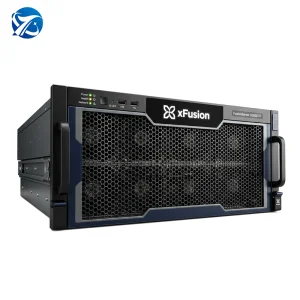
The convergence of software-defined security and high-density secure computing nodes in international infrastructure networks.
In the modern digitized economy, cybersecurity has transitioned from an isolated application layer concern to a critical requirement of physical and virtual hardware architectures. The surge in cloud computing, edge networks, and AI-driven systems has exposed critical vulnerabilities that traditional firewalls and antivirus packages cannot solve. Today, global enterprise security is heavily reliant on Confidential Computing, hardware-level encryption (Root of Trust), and real-time behavioral threat analytics accelerated by powerful GPU processors.
As a leading OEM/ODM security software exporter and hardware platform provider, we recognize that security software applications—such as Security Information and Event Management (SIEM) consoles, Intrusion Prevention Systems (IPS), Zero Trust Network Access (ZTNA) agents, and deep packet inspection controllers—need specialized compute architectures. Deploying intensive detection scripts on generic server hardware often leads to latency spikes, performance bottlenecks, and system vulnerabilities. Our hardware platforms are designed from the ground up to handle high-throughput cryptographic calculations, hardware isolation (using Intel SGX or AMD SEV), and hardware security module (HSM) integrations.
Protecting data in-use at the silicon layer via secure hardware enclaves, preventing unauthorized hypervisor-level accesses.
Cryptographically binding firmware signatures, bootloaders, and OS environments to on-board physical TPM 2.0 modules.
Dedicated processing power utilizing modern instruction sets for high-throughput TLS decryption and hashing.
The transition toward AI-native threats requires real-time detection systems. Our server portfolio incorporates advanced GPU resources that run large language models (LLMs) and custom machine learning security algorithms directly at the edge or within private cloud data centers. This ensures instantaneous reaction times to zero-day threats, isolating affected nodes instantly without waiting for cloud authorization, establishing a robust security posture across critical enterprise infrastructure.
Aligning bespoke BIOS, chassis design, and physical component sourcing with strict international data regulatory frameworks.
Security software deployment demands a high degree of hardware customization. Standard off-the-shelf rack servers often include unnecessary micro-code, legacy ports, or vulnerable management firmware that increases the threat landscape. Aivora’s comprehensive OEM and ODM pipeline enables customers to configure server setups tailored exactly to their cybersecurity frameworks, security appliance guidelines, and network policies.
We work directly with engineering teams to customize the UEFI/BIOS parameters, establishing unique Secure Boot cryptographic signatures. By eliminating generic key stores, our custom-built platforms only boot software packages signed by the client’s private key. This mitigates rootkit infections, unauthorized OS installations, and physical tampering in remote branch locations or unmanned edge installations.
Physical tamper protection is critical for edge security hardware. Our ODM design services support custom-fabricated chassis featuring physical locks, tamper switches connected directly to the motherboard management controller (BMC), and disabled unused ports (such as USB and serial connections). If a rack server is opened or tampered with, the system triggers alerts, wipes cryptographic keys from the volatile RAM, and shuts down instantly to protect intellectual property.
Targeted deployment architectures designed for enterprise networks, federal data nodes, and next-generation smart grids.
Providing security at scale requires different approaches depending on the vertical industry. For instance, data centers running massive SaaS apps require highly responsive cryptographic processing, whereas critical utility networks need physically isolated, hardened edge computing systems. Below, we showcase our core macro-level configurations designed to operate reliably in these critical scenarios:
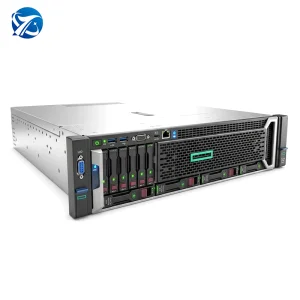
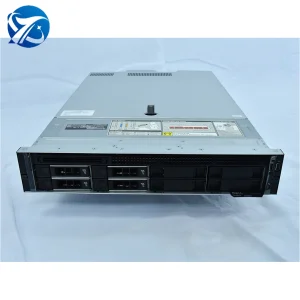
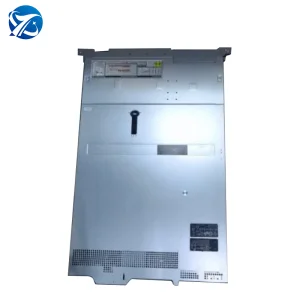
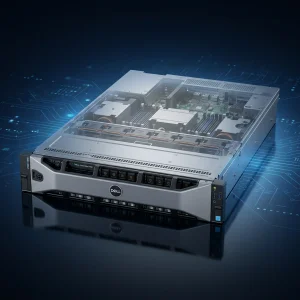
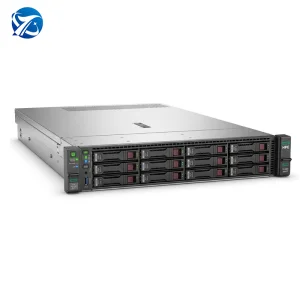
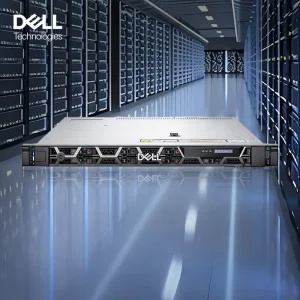
Deploying multi-socket, high-memory processors (such as the HPE DL360 Gen11 or Dell PowerEdge R660) equipped with secure hardware virtualization enclaves. These nodes isolate financial databases and compliance monitoring software from hosting providers, meeting strict GDPR and SOC2 requirements.
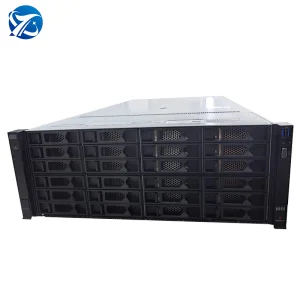
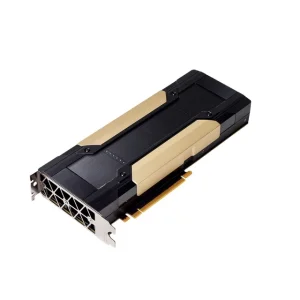
Employing high-density GPU platforms (such as the xFusion G5500 V7 flagship or the 2488H V7 rack) running AI models like DeepSeek to analyze petabytes of log data, network streams, and user endpoint activities. This provides proactive anomaly detection and response at the chip level.
For processing telemetry data in oil and gas, transport, and manufacturing networks. These compact edge units use custom hardware firewalls to scrub local machine networks before data is uploaded to corporate networks.
Deploying dedicated, certified hardware security modules (HSMs) in a 1U chassis designed to manage asymmetric keys, digital signatures, and public key infrastructure (PKI) securely.
Adapting compute architecture to meet Post-Quantum Cryptography requirements and Zero Trust Edge Networks.
As the threat landscape shifts, computing platforms must adapt dynamically. Standard CPU and GPU performance gains are no longer sufficient; processors must feature architecture optimized specifically for security payloads. Aivora's R&D division has structured our forward-looking product roadmap to prioritize three primary areas:
Quantum computing presents a major threat to current encryption methods. Industry experts estimate that traditional RSA and ECC schemes could be broken within a decade. Aivora is actively designing server mainboards optimized for PQC algorithms, including Kyber and Dilithium. These security schemes demand larger keys and higher processing memory, which we address with DDR5 RAM and PCIe Gen 5 interconnects on platforms like the HPE DL360 Gen12 or xFusion V7.
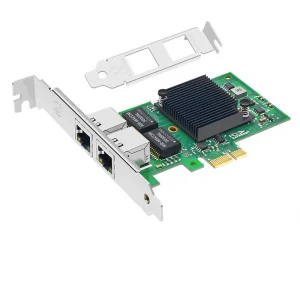
Traditional perimeter defenses assume that internal networks are trusted. A modern Zero Trust approach treats every request as hostile. In our future ODM designs, we are integrating hardware-based micro-segmentation directly at the network interface card (NIC) level using SmartNICs and DPUs (Data Processing Units). These coprocessors inspect network packets at the line rate, run security logic, and block intrusions before the traffic ever reaches the main system memory.
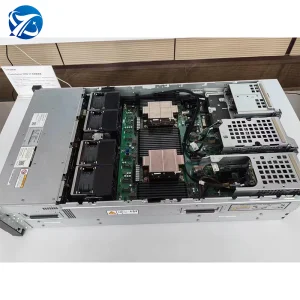
Deep packet inspection, live intrusion detection, and heavy traffic decryption generate significant thermal loads. Traditional air cooling systems can lead to thermal throttling and hardware degradation. Aivora is developing advanced direct-to-chip liquid cooling systems for our 2U and 4U GPU rack platforms. This maintains optimal operating temperatures, preventing performance drops and ensuring continuous system availability.
Tailoring server installations to meet localized standards across North America, Europe, Asia, and South America.
Global export demands compliance with varied regional standards. An OEM/ODM security software exporter must align the hardware platform with local security policies. At Aivora, we customize and configure products to meet the regulatory requirements of different regions:
Accelerating AI and cybersecurity hardware innovation through advanced engineering and robust supply chain networks.
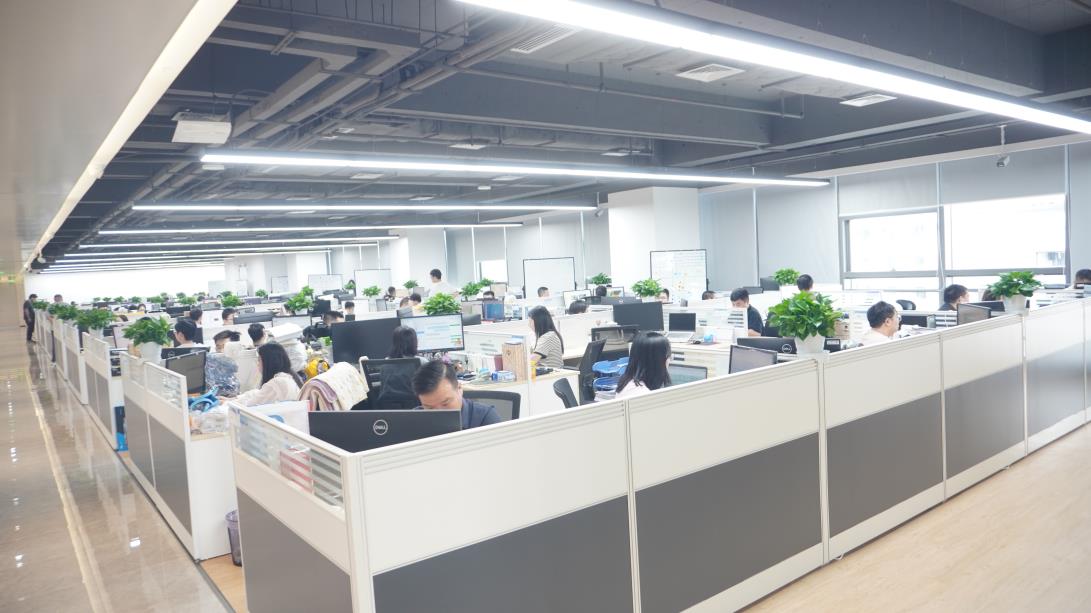
Aivora Technology Co., Ltd. is a professional AI server manufacturer dedicated to delivering high-performance GPU server solutions, AI computing infrastructure, and customized data center systems for customers worldwide. Established in 2018, the company has rapidly grown into a trusted partner for enterprises, cloud service providers, AI startups, research institutions, and system integrators seeking reliable and scalable AI computing platforms.
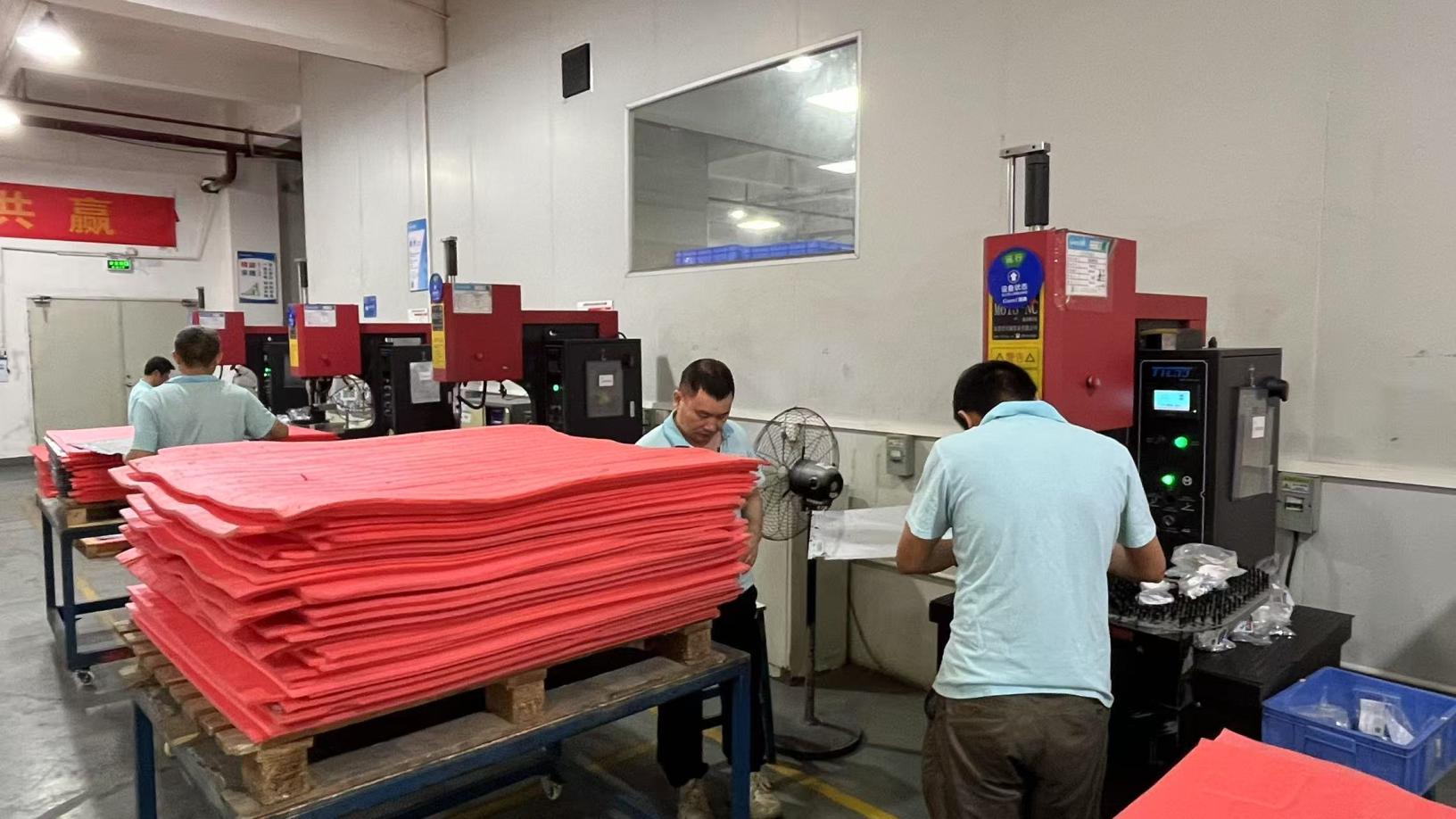
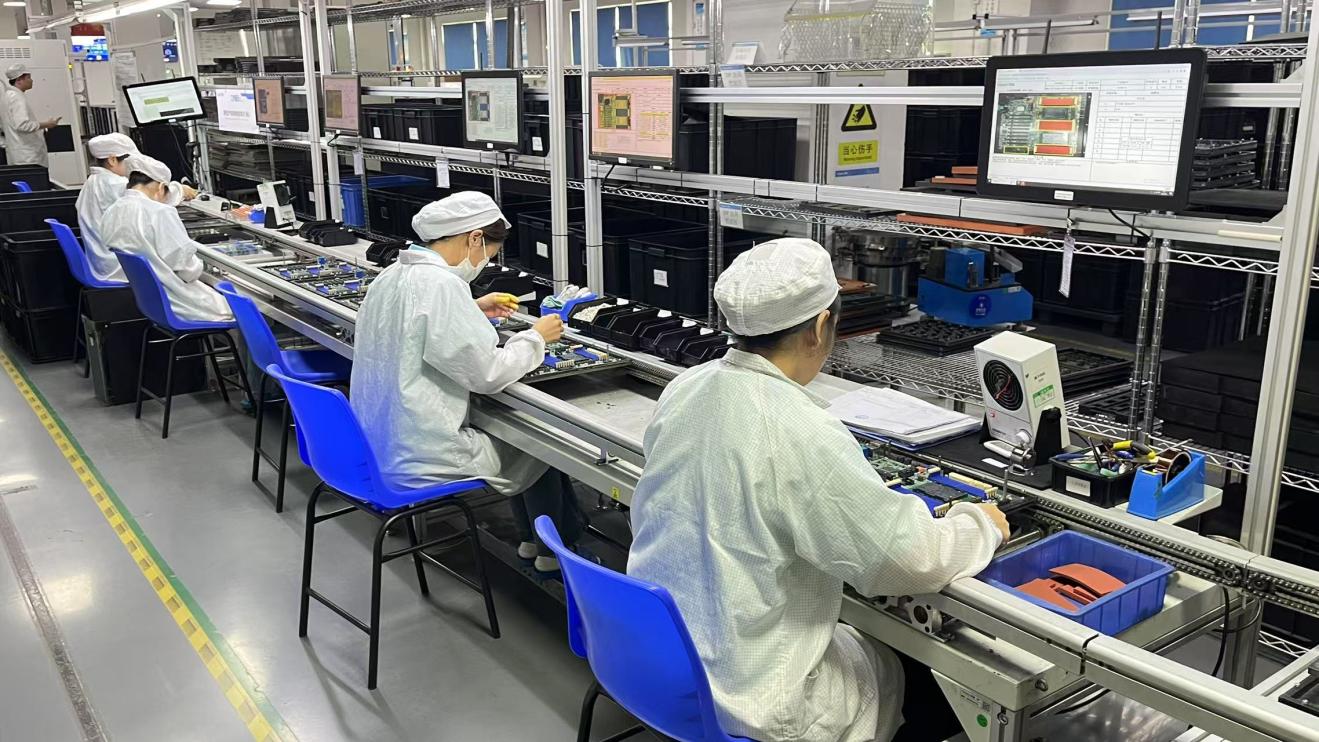
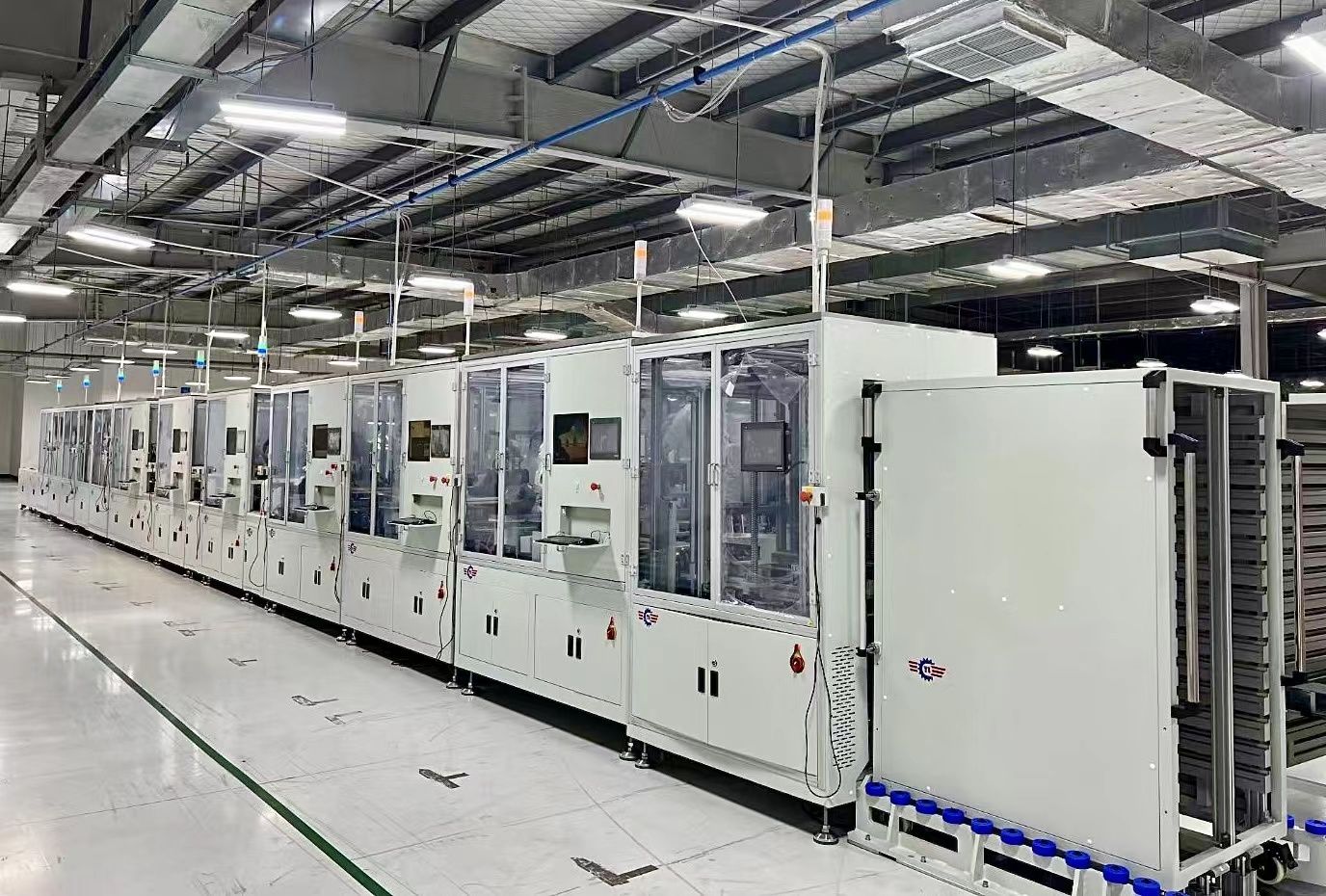
Located in Shenzhen, China, Aivora operates a modern manufacturing facility covering 386 square meters and integrates advanced production, testing, and quality management systems to ensure consistent product performance and reliability. With over 8 years of export experience and 14 years of industry expertise, we have successfully served customers across North America, Europe, Southeast Asia, the Middle East, and South America.
Our product portfolio includes AI training servers, AI inference servers, GPU workstations, edge AI servers, HPC servers, storage servers, and customized rack-level solutions. Leveraging strong R&D capabilities, we provide flexible OEM and ODM services, supporting hardware customization, chassis design, GPU configuration, branding, and system integration according to specific project requirements.
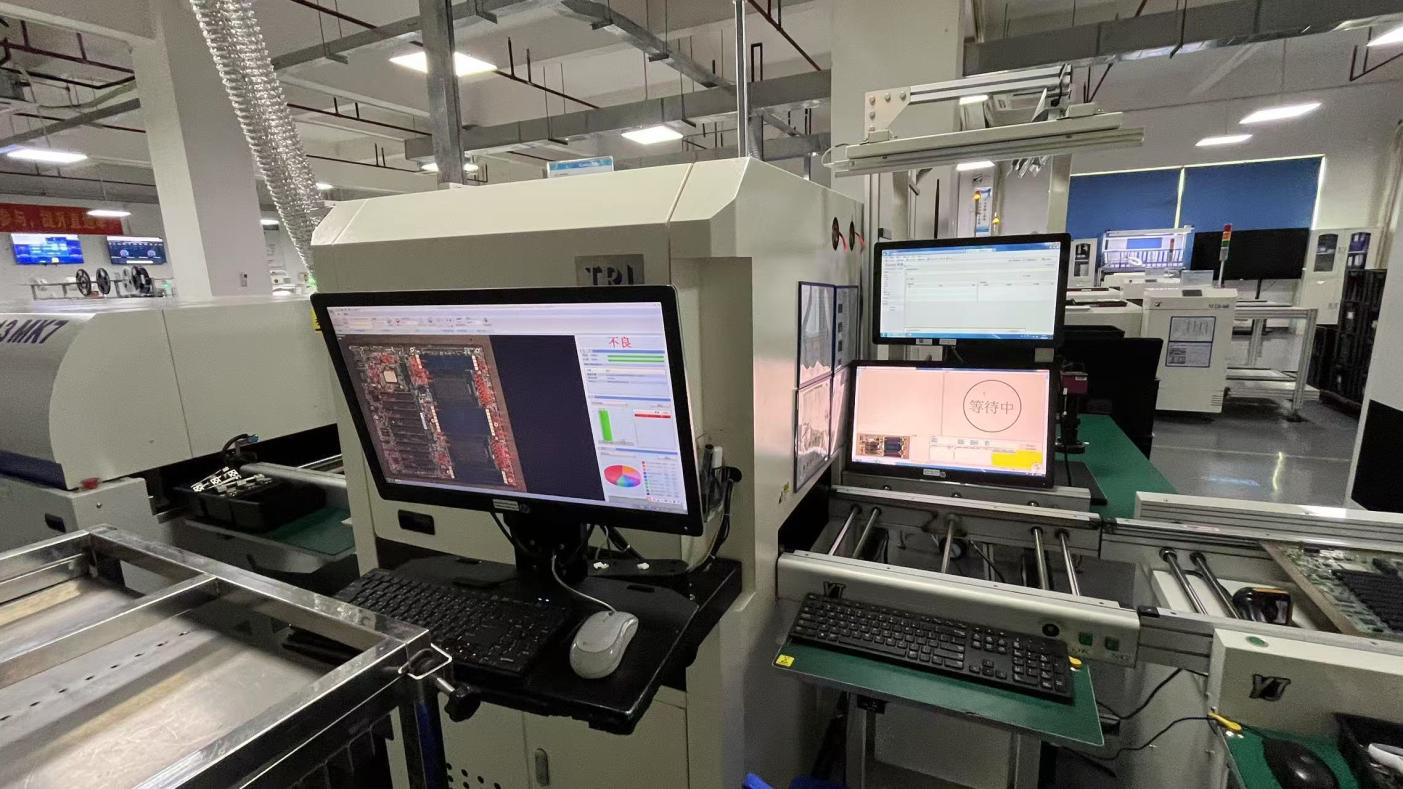
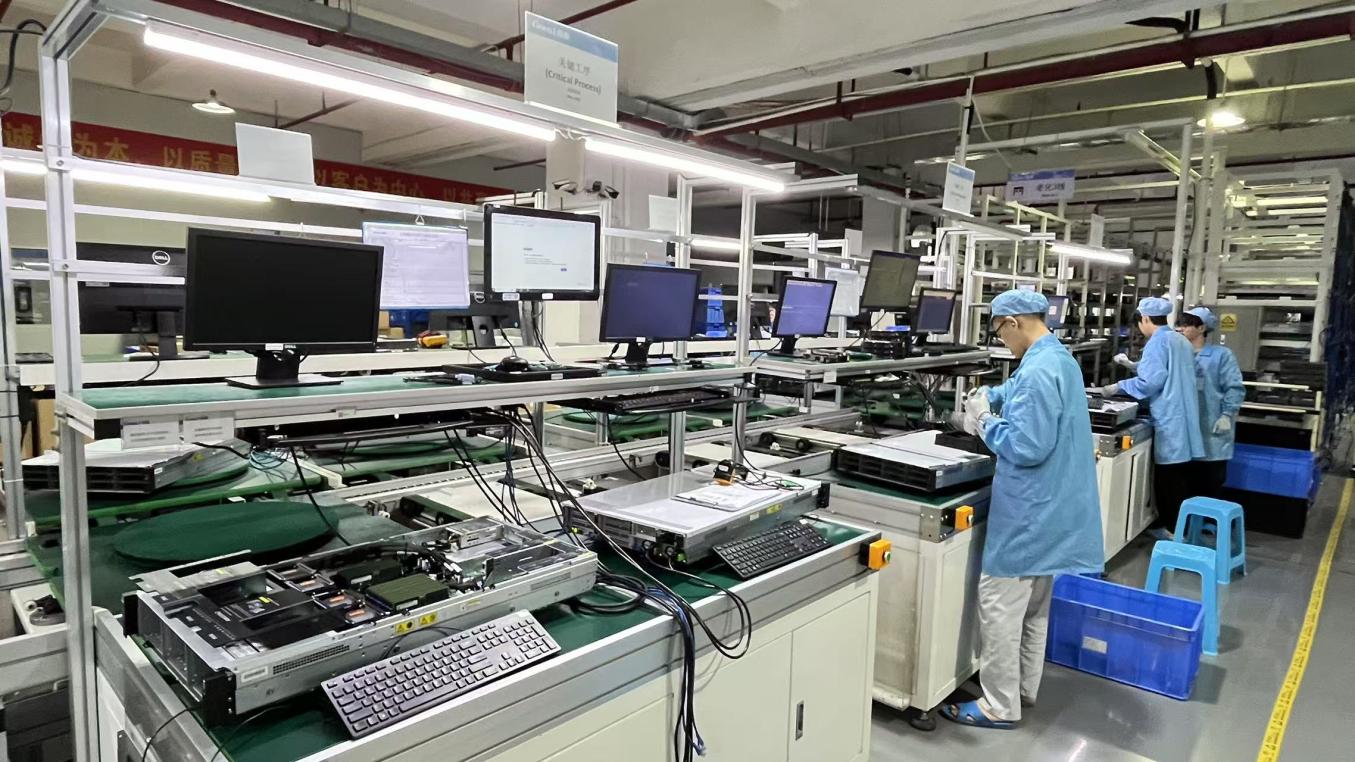
Quality is at the core of our operations. Every product undergoes comprehensive quality inspections, including component verification, system integration testing, burn-in testing, thermal performance evaluation, power consumption testing, and final functional validation before shipment. Our quality control team consists of 46 experienced inspectors who ensure every system meets international quality standards and customer specifications.
Aivora maintains close cooperation with more than 1,250 supply chain partners, enabling efficient sourcing, stable production, and rapid delivery of high-performance computing solutions. Supported by a team of 128 R&D engineers, we continuously innovate and introduce new technologies to meet the rapidly evolving demands of artificial intelligence and data-intensive applications. In the past year alone, we successfully launched 186 new products and solution variants.
Our annual export revenue exceeds USD 18 million, reflecting the trust and long-term partnerships we have established with customers worldwide. By combining advanced engineering expertise, strict quality control, flexible customization options, and responsive customer support, Aivora remains committed to empowering organizations with next-generation AI computing infrastructure.

Technical questions and configuration details for enterprise IT security directors and server procurement officers.
Every server we ship features custom UEFI/BIOS builds compiled inside our secured Shenzhen engineering facility. We support secure boot with proprietary client-owned cryptographic signatures and lock down the BIOS flash utility to prevent unauthorized changes. Our hardware features a built-in Trusted Platform Module (TPM 2.0) that cryptographically verifies the boot state, bootloader, and kernel components before initiating execution, preventing boot-level supply chain intrusions.
We provide full hardware-level customizations. This includes custom server chassis designs featuring mechanical intrusion sensors, port locks, FIPS 140-3 compliant encryption cards, customized front bezels with corporate branding, custom-tuned cooling layouts for continuous cryptographic execution, and hardened BIOS settings that disable unused or vulnerable interfaces (e.g., Bluetooth, Wi-Fi, audio chips, or specific USB channels).
Modern machine-learning firewalls and SIEM systems require significant parallel processing capabilities. Our servers (such as the xFusion G5500 V7 flagship or the Dell PowerEdge series) are designed for high-density multi-GPU setups. These configurations enable real-time anomaly detection, deep packet inspection, and user behavior analysis without creating bottlenecks in system performance or data throughput.
Quality control is handled by our 46 dedicated testers. Every machine undergoes a comprehensive battery of tests: verifying individual component signatures, full integration testing, system-level burn-in under heavy load for up to 72 hours, thermal management performance checks, power stability evaluations, and validation of hardware security features (such as TPM provisioning and remote BMC administration). This ensures every unit meets the stringent operational requirements of international data centers.
Yes, we offer software integration options under our OEM/ODM division. Clients can provide secure custom images (CentOS, RedHat, ESXi, Proxmox, Ubuntu) or proprietary security appliances. We install and configure these platforms directly on the production line, confirming boot integrity and device connectivity. This lets you ship pre-installed, secure systems directly to your customers, speeding up time-to-market and deployment.
High-performance AI, database, and system-level computing architectures deployed globally for advanced security software acceleration.