Aivora
Aivora
Aivora
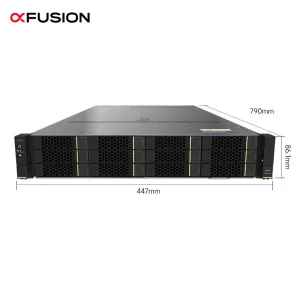
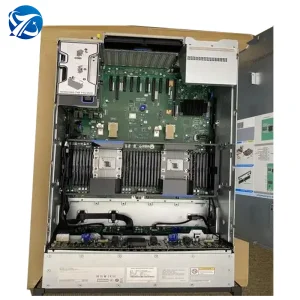
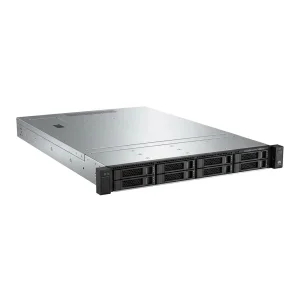
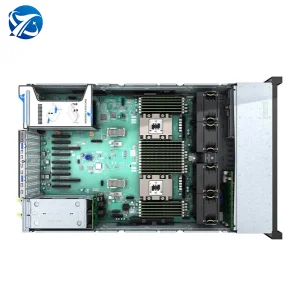
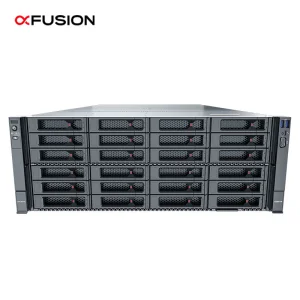
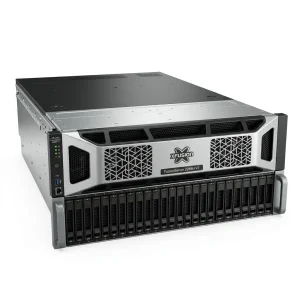
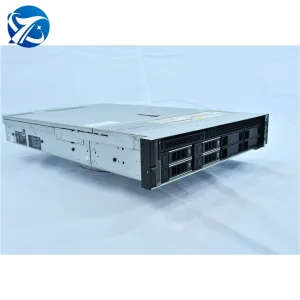
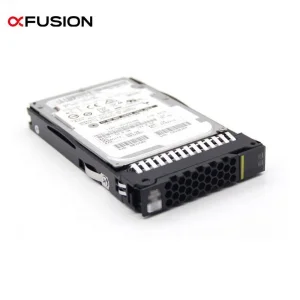
How Modern Data Center Networks are Adapting to High-Density Workloads, AI Training Fabrics, and Hyperscale Compute Paradigms.
The global enterprise network infrastructure is currently undergoing a massive evolution. Driven by cloud native architectures, distributed containerized workloads, and the rapid deployment of massive-scale artificial intelligence models, network switches are no longer just basic routing components. Instead, they serve as the crucial backbones of high-density computation pipelines. To meet these demands, network architects are transitioning from traditional 10G and 100G fabrics directly to high-capacity 400G and 800G optical networking infrastructures.
This technical revolution requires a comprehensive reassessment of the packet routing layer. Today's commercial network installations demand zero-packet loss, ultra-low latency, and intelligent congestion management. Under severe computational loads, standard buffering algorithms fall short. Advanced technologies like RDMA over Converged Ethernet (RoCEv2) and Priority Flow Control (PFC) are now essential, enabling Ethernet networks to deliver performance comparable to proprietary InfiniBand fabrics at a much lower total cost of ownership (TCO).
Furthermore, energy efficiency has become a critical operational metric. Modern edge servers and high-speed switches generate significant heat. In response, China's leading exporters are designing hardware compatible with advanced liquid cooling systems, integrating high-efficiency titanium PSUs, and developing intelligent sleep-state firmware. These innovations help global operators lower their Power Usage Effectiveness (PUE) scores and align with strict international environmental regulations.
Unmatched efficiency, rapid hardware prototyping, and direct component access in Shenzhen's electronics ecosystem.
Direct proximity to global leaders in ASIC manufacturing, passive components, and high-frequency connectors allows us to slash lead times and minimize supply disruptions.
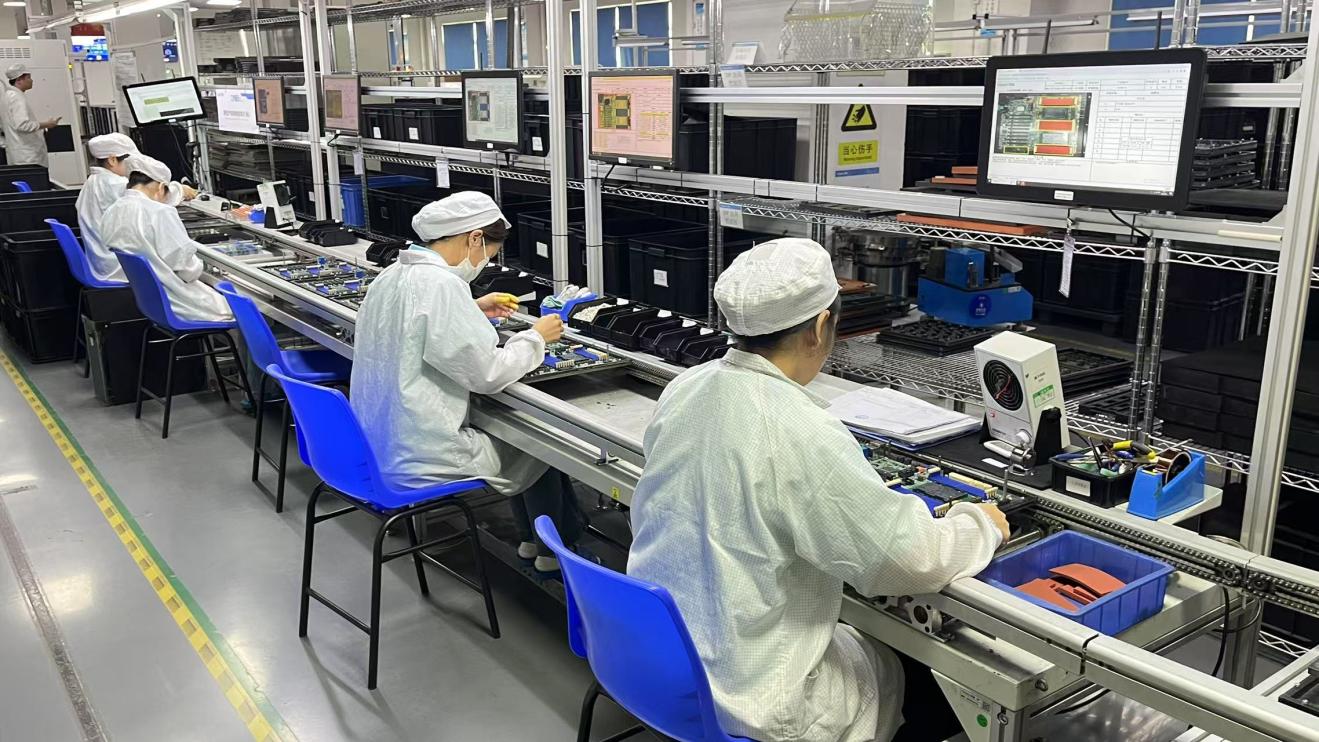
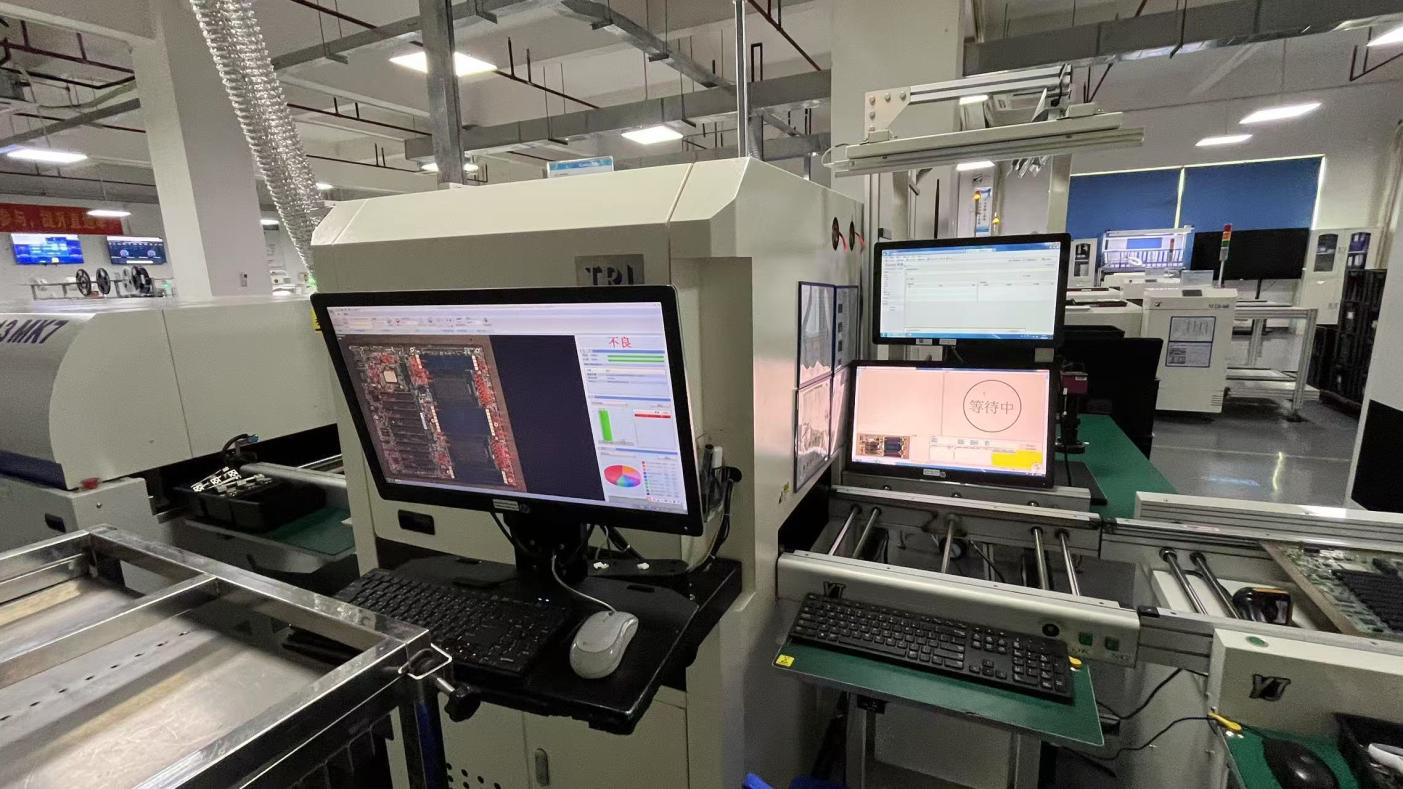
By using precision SMT placement, high-density multi-layer PCB layout facilities, and optical inspections (AOI), we guarantee absolute physical integrity on every production run.
Our engineering team delivers tailor-made configurations, modifying hardware chassis layouts, power distribution systems, firmware layers, and port speeds to match specific requirements.
Operating from Shenzhen, Aivora sits at the center of the world's most advanced network hardware manufacturing hub. This local density enables our engineers to implement design revisions quickly, prototype custom switches, and complete environmental compliance tests (like CE, FCC, RoHS) in a fraction of the time required elsewhere. Our streamlined supply chain keeps production moving efficiently, helping our partners deploy new systems ahead of schedule.
Optimized network topologies designed to meet the rigorous performance demands of modern industries.
Designed for high-throughput AI workloads, our fabrics support ultra-low latency configurations, non-blocking topologies, and RoCEv2 technology to optimize GPU utilization during deep learning training.
Featuring full support for L3 dynamic routing (BGP, OSPF), VXLAN encapsulation, and massive MAC address databases, these configurations ensure seamless multi-tenant isolation and cloud virtualization.
Highly resilient campus backbones offering stacking capabilities, high-density PoE+ delivery, and integrated security policies (such as MACsec encryption) to safeguard enterprise networks.
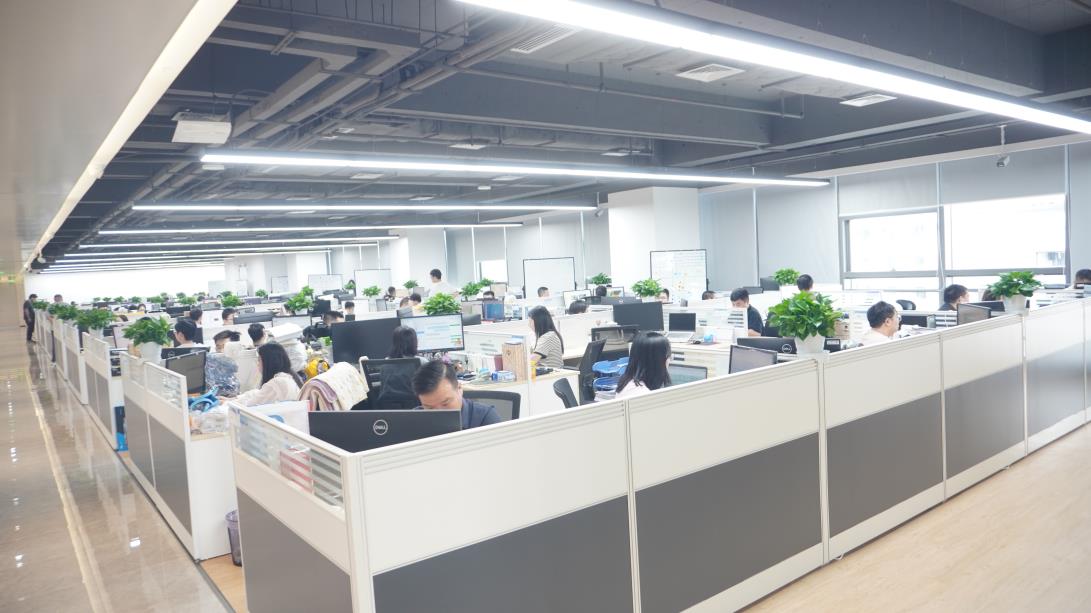
Aivora Technology Co., Ltd. is a professional AI server manufacturer dedicated to delivering high-performance GPU server solutions, AI computing infrastructure, and customized data center systems for customers worldwide. Established in 2018, the company has rapidly grown into a trusted partner for enterprises, cloud service providers, AI startups, research institutions, and system integrators seeking reliable and scalable AI computing platforms.
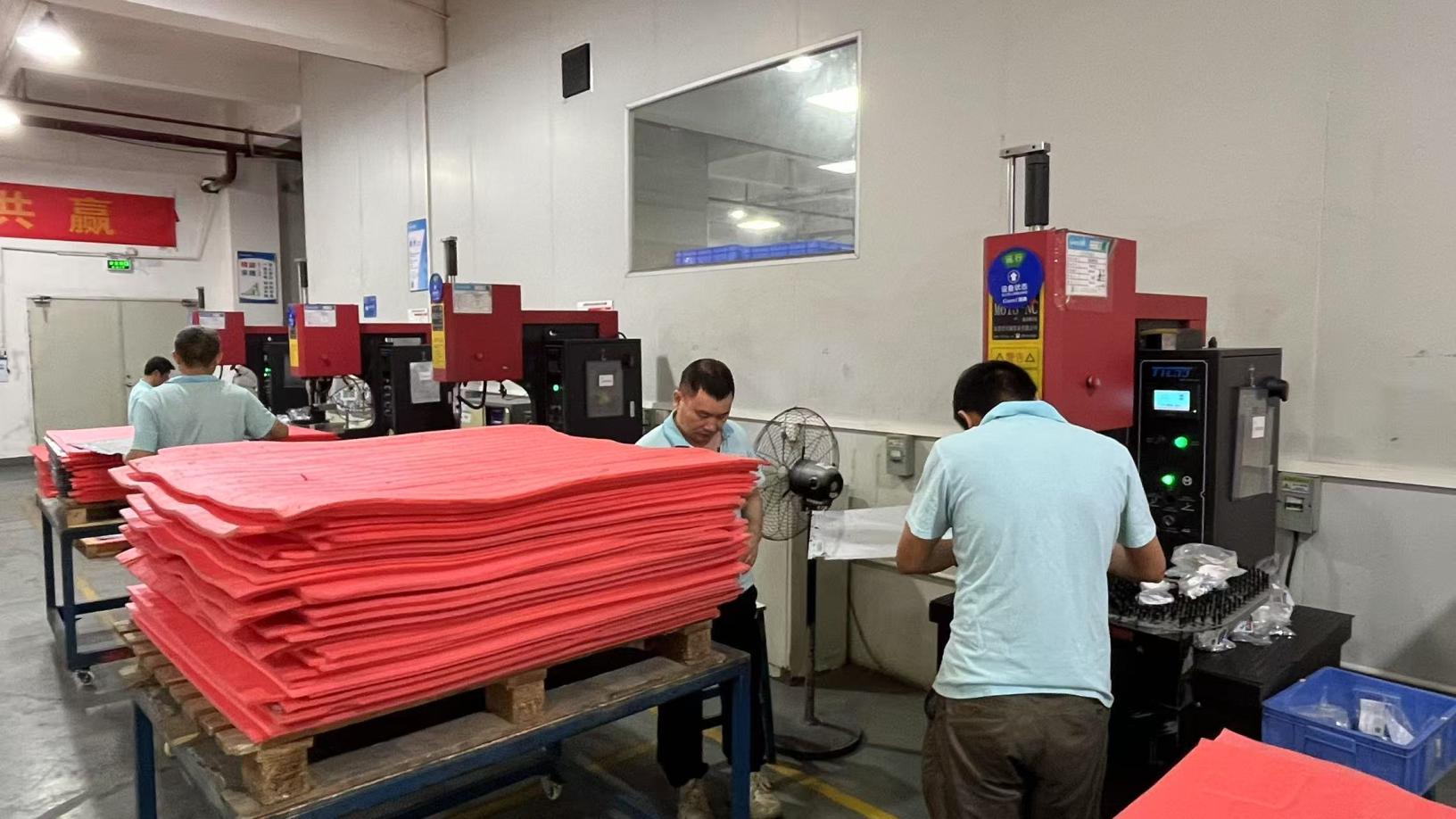
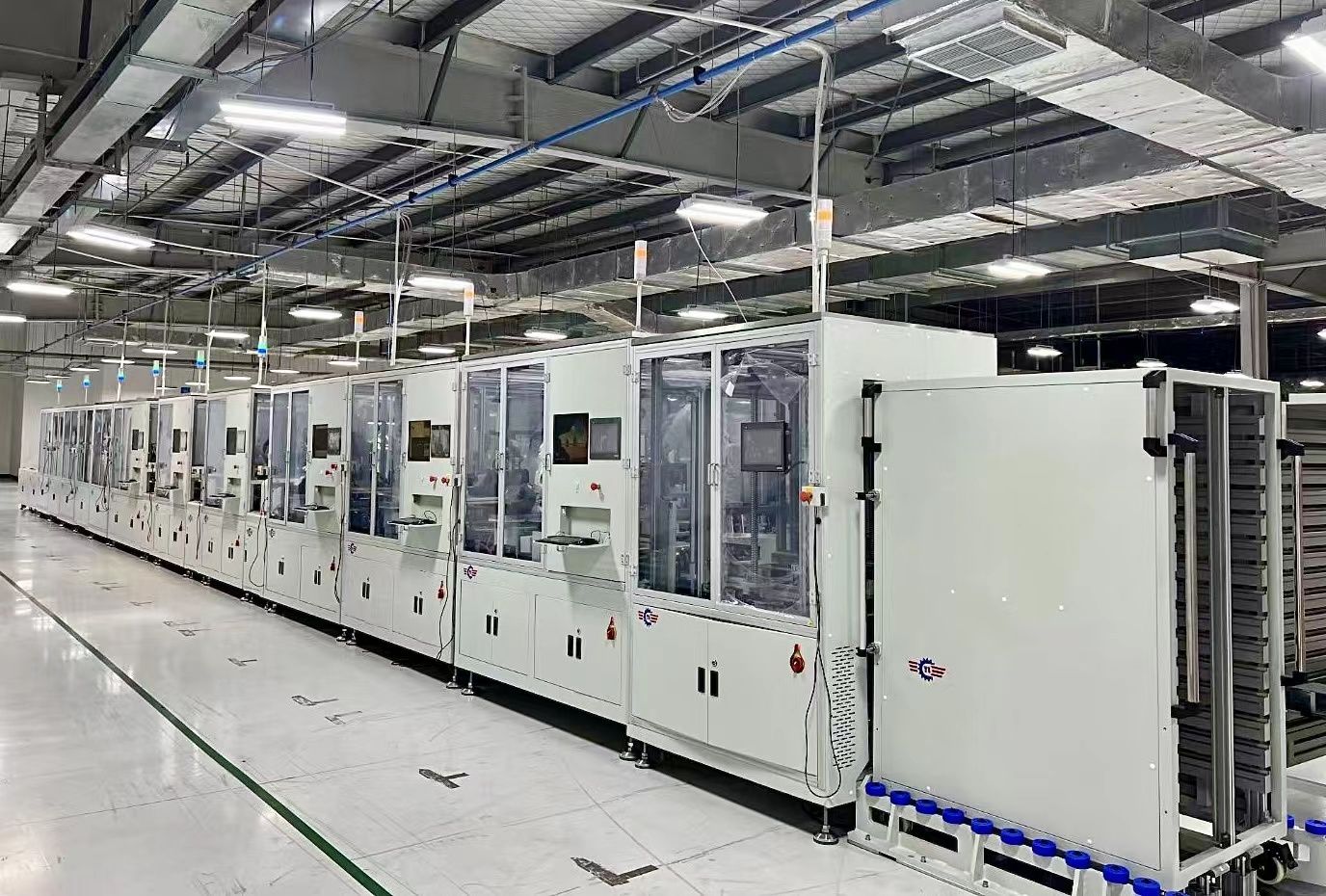
Located in Shenzhen, China, Aivora operates a modern manufacturing facility covering 386 square meters and integrates advanced production, testing, and quality management systems to ensure consistent product performance and reliability. With over 8 years of export experience and 14 years of industry expertise, we have successfully served customers across North America, Europe, Southeast Asia, the Middle East, and South America.
Our product portfolio includes AI training servers, AI inference servers, GPU workstations, edge AI servers, HPC servers, storage servers, and customized rack-level solutions. Leveraging strong R&D capabilities, we provide flexible OEM and ODM services, supporting hardware customization, chassis design, GPU configuration, branding, and system integration according to specific project requirements.
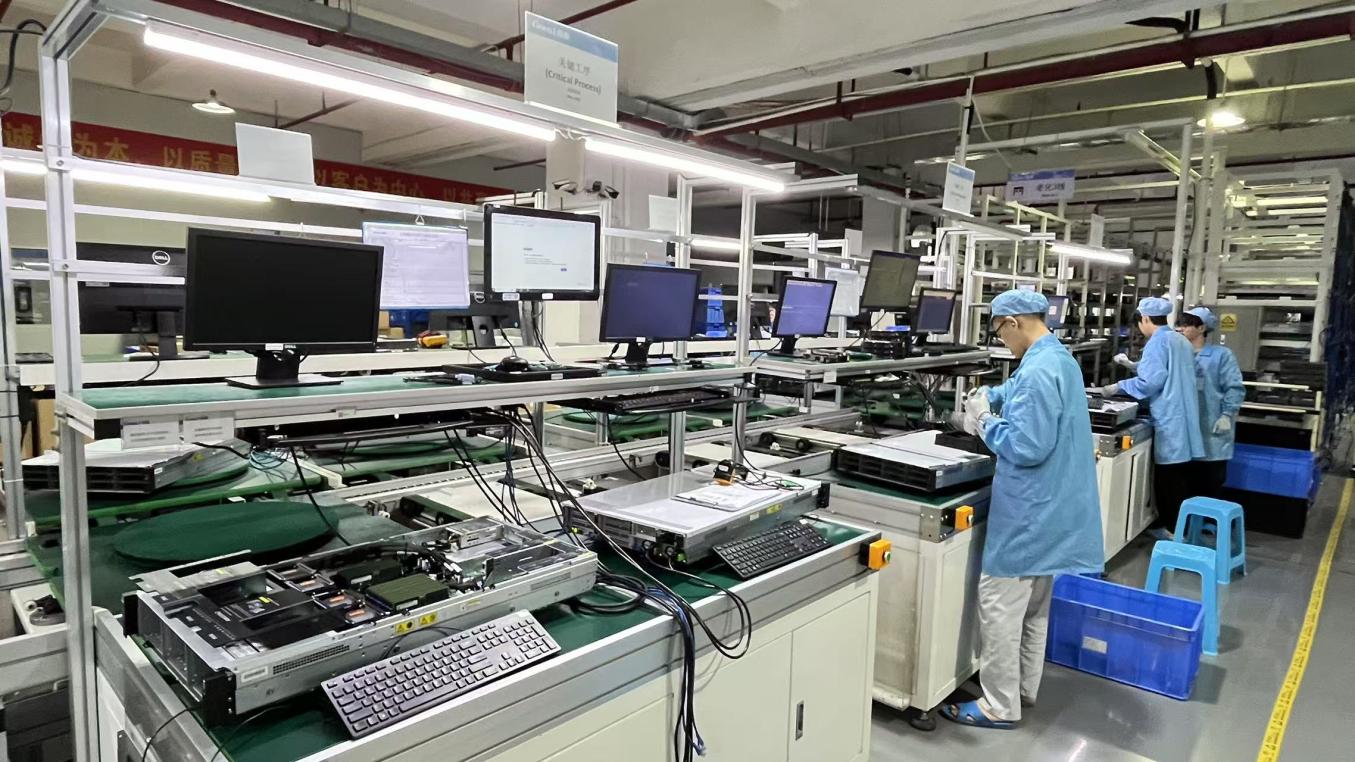
Quality is at the core of our operations. Every product undergoes comprehensive quality inspections, including component verification, system integration testing, burn-in testing, thermal performance evaluation, power consumption testing, and final functional validation before shipment. Our quality control team consists of 46 experienced inspectors who ensure every system meets international quality standards and customer specifications.
Aivora maintains close cooperation with more than 1,250 supply chain partners, enabling efficient sourcing, stable production, and rapid delivery of high-performance computing solutions. Supported by a team of 128 R&D engineers, we continuously innovate and introduce new technologies to meet the rapidly evolving demands of artificial intelligence and data-intensive applications. In the past year alone, we successfully launched 186 new products and solution variants.
Our annual export revenue exceeds USD 18 million, reflecting the trust and long-term partnerships we have established with customers worldwide. By combining advanced engineering expertise, strict quality control, flexible customization options, and responsive customer support, Aivora remains committed to empowering organizations with next-generation AI computing infrastructure. Aivora Technology Co., Ltd. — Accelerating AI Innovation with Reliable Computing Power.

A deep look at upcoming innovations in backplane bandwidth, open-source NOS architectures, and power reduction schemes.
As networks expand, standard proprietary switches are being replaced by open-hardware designs. The separation of hardware from software allows network administrators to run community-supported Network Operating Systems (NOS), such as Microsoft's SONiC, on whitebox switch hardware. This shift gives organizations greater control over routing protocols and flow monitoring tools while helping them lower their overall software licensing costs.
At the silicon level, the integration of co-packaged optics (CPO) and silicon photonics is changing how switches handle data. By bringing optical engines closer to the switch ASIC, CPO technology minimizes electrical signal loss, reduces latency, and significantly cuts the power consumed by high-speed transceivers. As a result, future 800G and 1.6T network switches will be able to handle higher traffic volumes while staying within the thermal limits of standard data center racks.
Answers to crucial technical and logistical questions to assist global procurement and engineering teams.
RoCEv2 (RDMA over Converged Ethernet) allows servers to transfer data directly memory-to-memory without involving the host CPU. By avoiding the OS kernel stack, it cuts transfer latency down to sub-microsecond levels. This is critical for distributed AI training workloads, where minimizing communication latency between GPUs directly speeds up training times.
Top Chinese exporters implement strict quality control protocols, testing hardware compatibility across various operating environments. Our systems undergo rigorous testing to meet global standards, including CE, FCC, RoHS, and UL, ensuring they integrate smoothly into existing enterprise networks worldwide.
SONiC (Software for Open Networking in the Cloud) is an open-source, containerized Network Operating System built on Debian. It runs on switches from multiple vendors, allowing organizations to avoid vendor lock-in. This open architecture makes it easier to standardize configuration, automate network management, and deploy software updates across diverse hardware fleets.
Every product we manufacture goes through a multi-step quality validation process led by our 46 experienced inspectors. This includes checking incoming components, testing system integration, conducting thermal and burn-in evaluations, and running final functional checks under load to ensure every system meets our clients' exact specifications.
Yes, our enterprise-grade access switches support high-density PoE, PoE+, and PoE++ standards (IEEE 802.3af/at/bt). They supply up to 90W of power per port, making them ideal for powering high-capacity Wi-Fi 6/7 access points, IP surveillance cameras, and smart building sensors.
Lead times vary depending on custom configuration requirements and component availability. Standard switch builds are typically ready to ship within 2 to 4 weeks. For complex ODM projects that require custom chassis fabrication or specialized port layouts, the process can take 6 to 8 weeks from design approval to shipment.
We offer tier-3 technical support directly through our R&D and systems engineering teams. International customers have access to remote diagnostic help, firmware updates, and hardware replacement support under our comprehensive warranty policies, ensuring long-term network reliability.
Our switches use advanced traffic management techniques like Explicit Congestion Notification (ECN) and Priority Flow Control (PFC). Working alongside deep dynamic buffers, these technologies allow the hardware to regulate traffic flow and prevent packet loss during intense data bursts.